Wild Patagonia fly fishing: David’s rematch
There are rivers in Patagonia nobody knows. No lodge, no brochure, no Instagram picture. Just you, cold water coming down from the Cordillera, wild trout almost nobody has ever bothered, and ten days without meeting a soul apart from a gaucho passing far off on his horse. Places where the vastness grabs you by the gut, and where everything that once pushed you to pick up a fly rod finally makes sense.
The bad day
In the north of Neuquén province, fishing tourism barely exists. Nothing like the lodges of the south. Here you feel tiny, and that is exactly what you came for.
That day with David, we got nothing. Ten hours on the water, two fish. Nymphs, dries, droppers, streamers: we tried it all. Nothing. Days like that happen, I know. But when you are the guide, your angler’s bad day is your own. You walk back to camp with that weight in your legs, telling yourself it is fishing, that nobody controls anything, without really believing it.
Around the fire, the others tell their fish. The best of their lives, for some. I am glad for them, sincerely. But the guilt toward David will not let go.
And then the fire does its work. The cordero turning over the embers, a glass of Malbec in hand, stories running one into the next. Those moments hold something close to magic, as if the flames put life back into everything else. We end up laughing. Tired, spirits mended, I crawl into my sleeping bag. Tomorrow is another day.
The next morning
Waking up in the middle of that country is like nothing else. The sun slowly bursting over the snowed summits of the Cordillera, the cold air that grabs you the moment you leave the sleeping bag, the silence. That Patagonian silence that exists nowhere else. You drink your coffee, you look at the river below, and without quite noticing, yesterday fades away.
It is one of the things I love most deeply about fly fishing. It forces you to be there, truly there. To watch, to feel, to read the water before you even pull out a rod. Bad days exist, they are part of the game. But a river at first light has a way of setting everything back to zero, as if it handed you a blank page.
Today I stay with David. We have a score to settle, and I know exactly where we are going.
The rematch
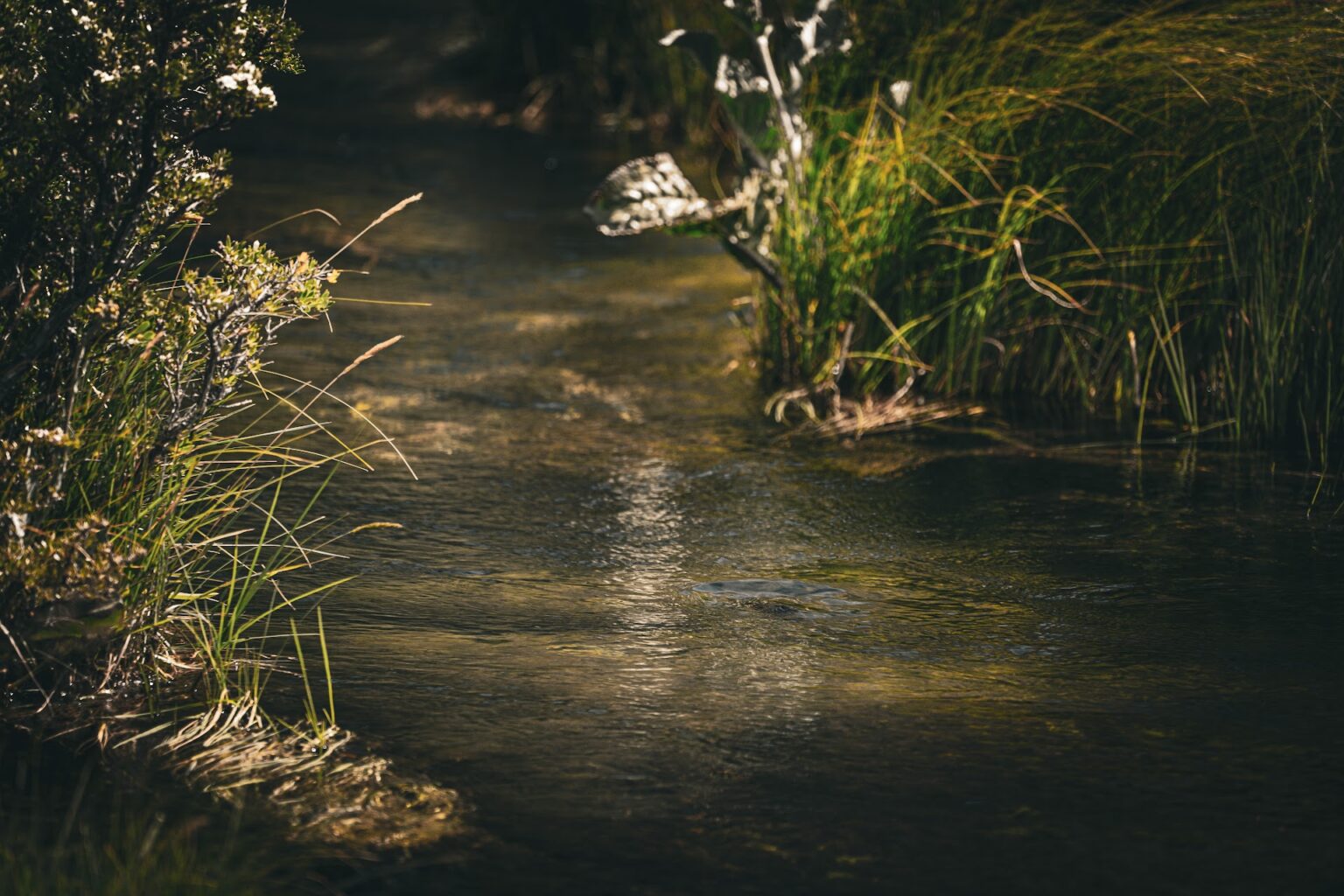
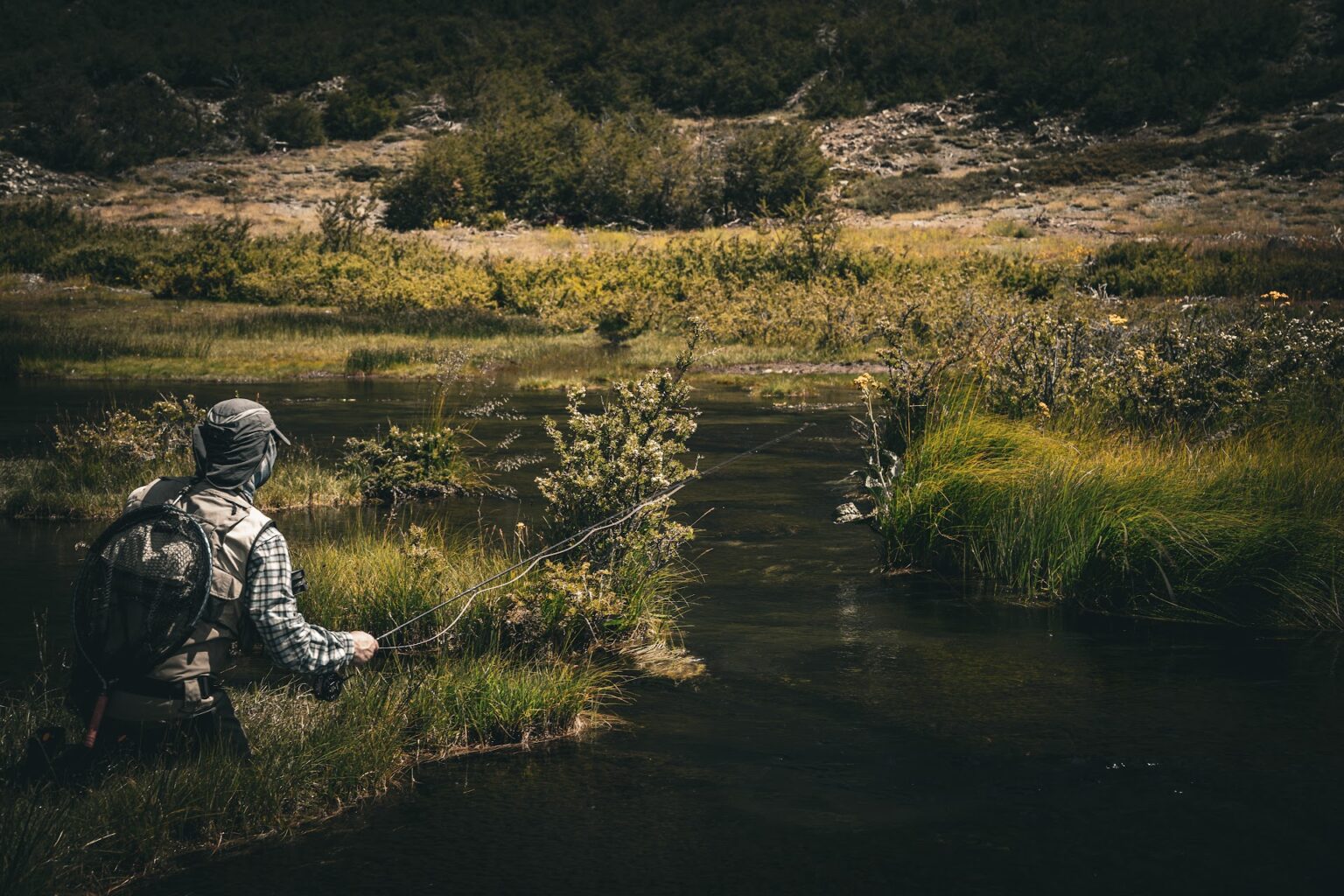
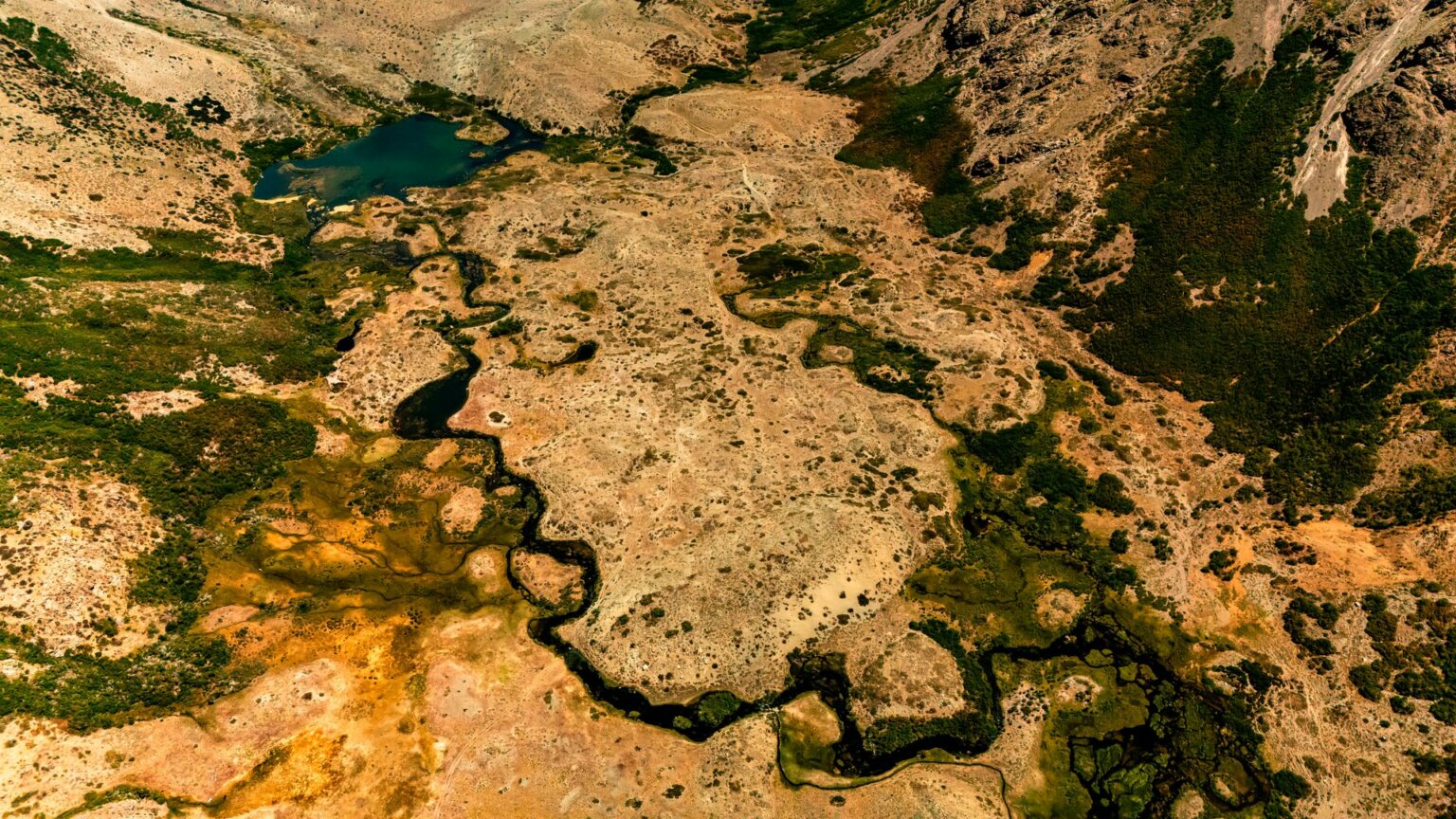
We head for a place I am particularly fond of. It is really more of a spring creek than a river in the strict sense. It rises from a small lake at the heart of a glacial valley, crystal clear and cold all year round, sliding from slow meanders to short pockets of white water under snowed peaks. A place few people know. A place worth the walk.
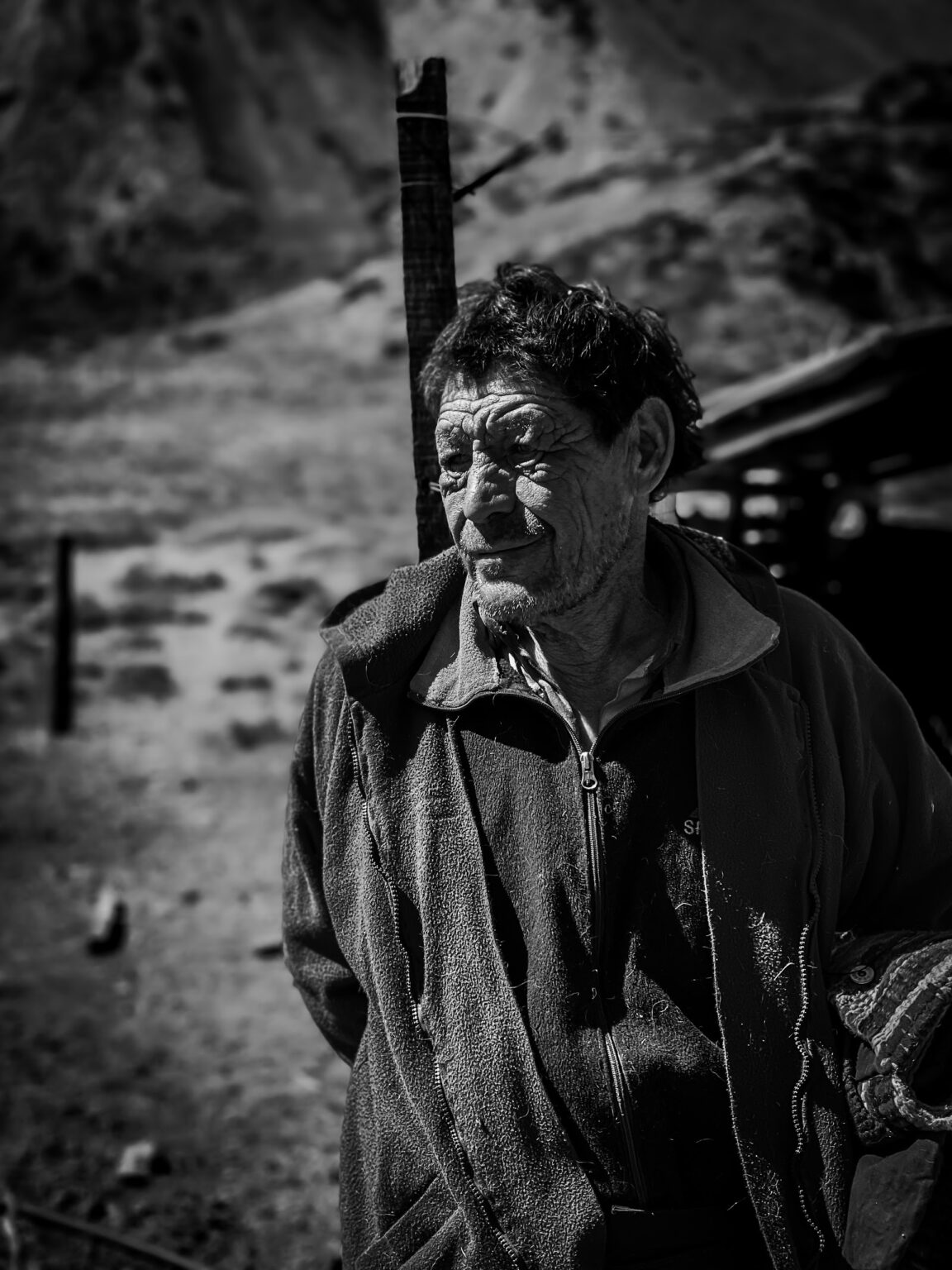
Don Humberto greets us as always, the emblematic gaucho of the area, his face carved by years of Patagonian sun and wind. He never misses a chance to come over with his wide smile and his stories. Some people belong to a place as much as the place belongs to them.
The sun is with us and, with a little luck, the unnameable has not shown its face yet. That is the name we give the wind here. Local belief says that if you name it three times, it appears. We do not talk about it.
I start showing David the first spots on the meanders. Crystal water, hard light, slow currents: nothing is easy here. You watch, you crouch, you stalk. A few rings open here and there on the surface. The trout are in.
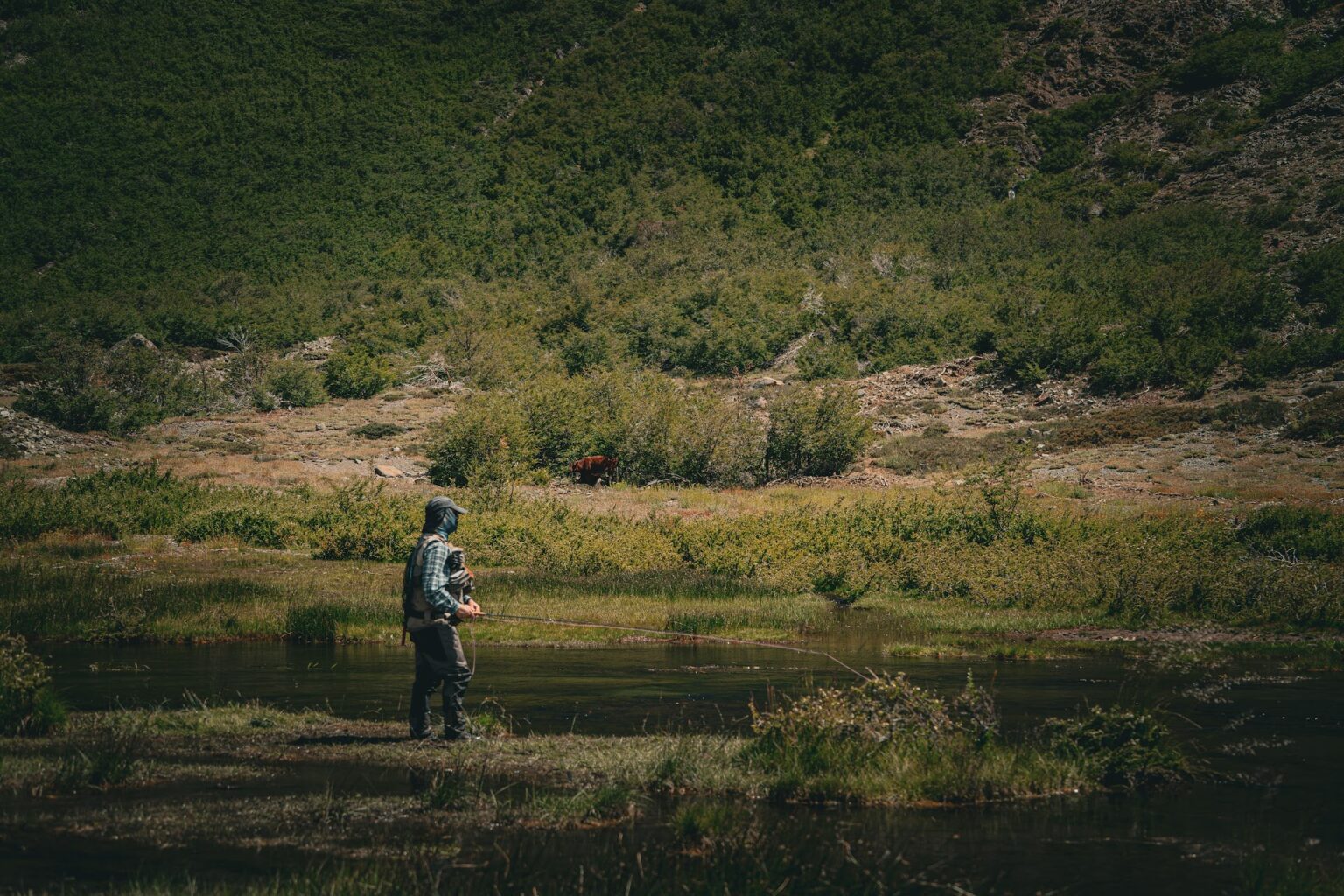
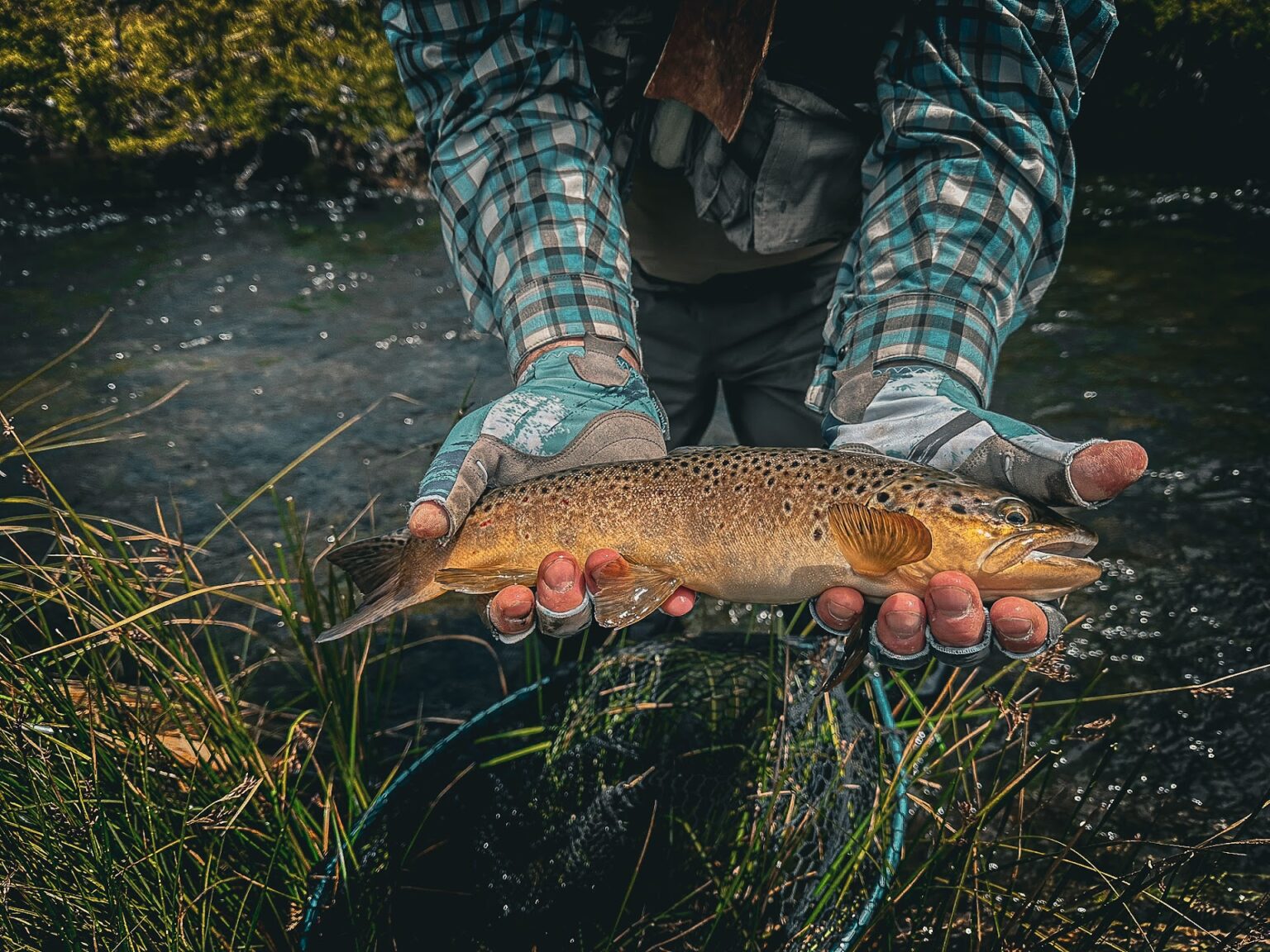
After a few fruitless tries and several fly changes, a small brown CDC pattern, tied by a Breton friend, makes the difference. The first one is in the net. For all my years on these banks, I still marvel at these browns. Real little jewels.
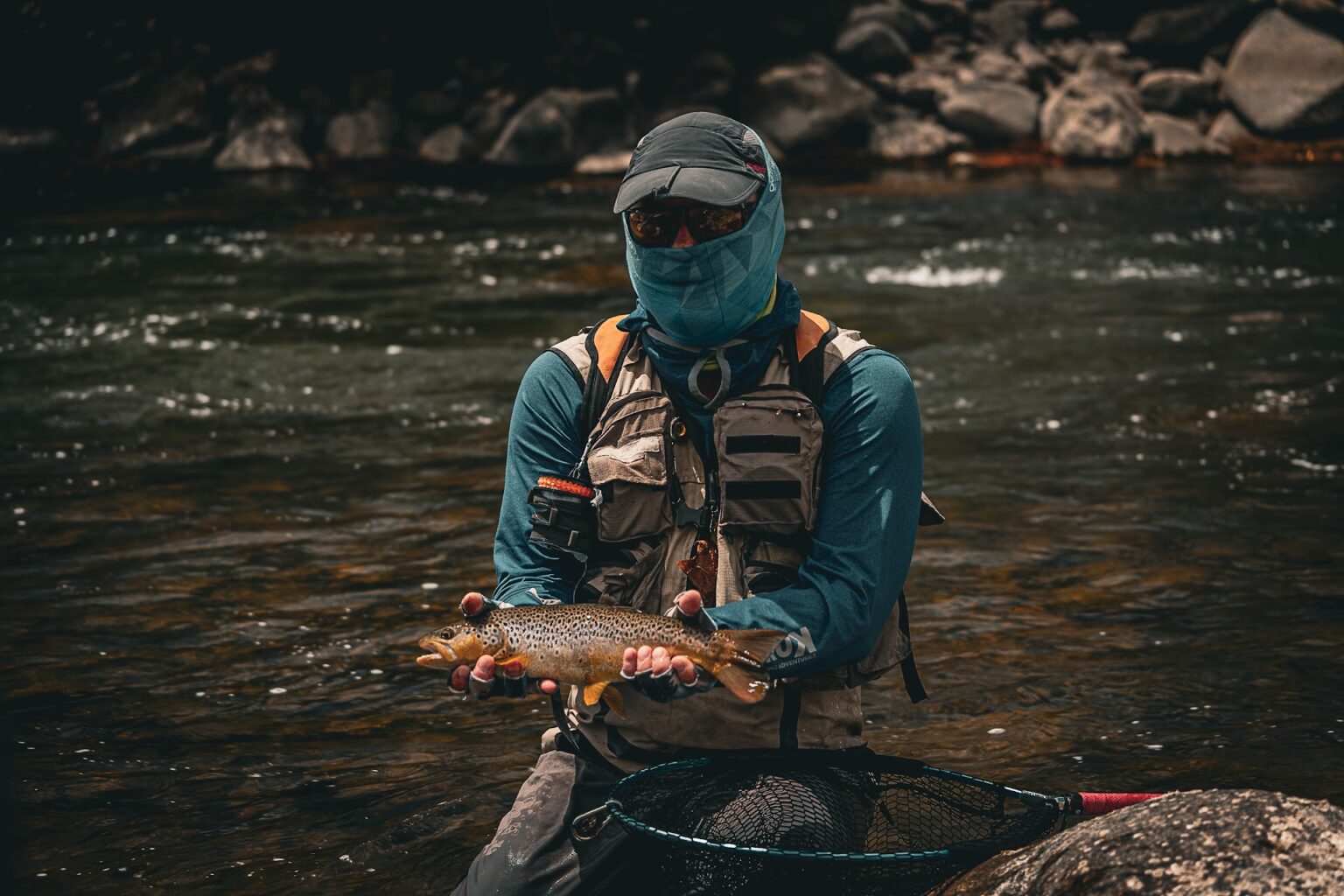
David strings together some fine fish through the morning. And then there is that one: in a churning wave, two centimetres behind a rock, at the exact edge of a tangle of branches on the far side. I see her. David does not. I explain, he doubts. I beef up the tippet. The current is strong and the fish has real shoulders. It has to hold.
First cast: too far left. The trout does not flinch, but I am already shaking. Second cast: right down the feeding lane. She moves. She comes to look. “Stay calm,” I tell David. That sentence was meant for me as much as for him. My heart was pounding.
She follows the fly for a good metre. And refuses it.
We both fall apart. David turns around, eyes wide: “Damn. Beautiful fish.” I laugh without meaning it. I have him switch to what we call here una chancleta, the local nickname for big terrestrials of every kind.
“Schplof.” The chancleta slaps the current a good metre above the fish. There are moments when everything lines up: the right cast, an active fish downstream, that sixth sense fly fishers carry that tells you it is about to happen. The snout rises slowly, takes the enormous fly. Half a second. The line comes tight.
I scream.
David runs the fight like a master. The fish bolts under the branches, rides the current, drops downstream. The rod bends, tips over. Net in hand I move down the bank, terrified of ruining it all. She surges toward me, David turns her at the perfect moment. I stab the net in like a bear swiping a paw.
She is in.
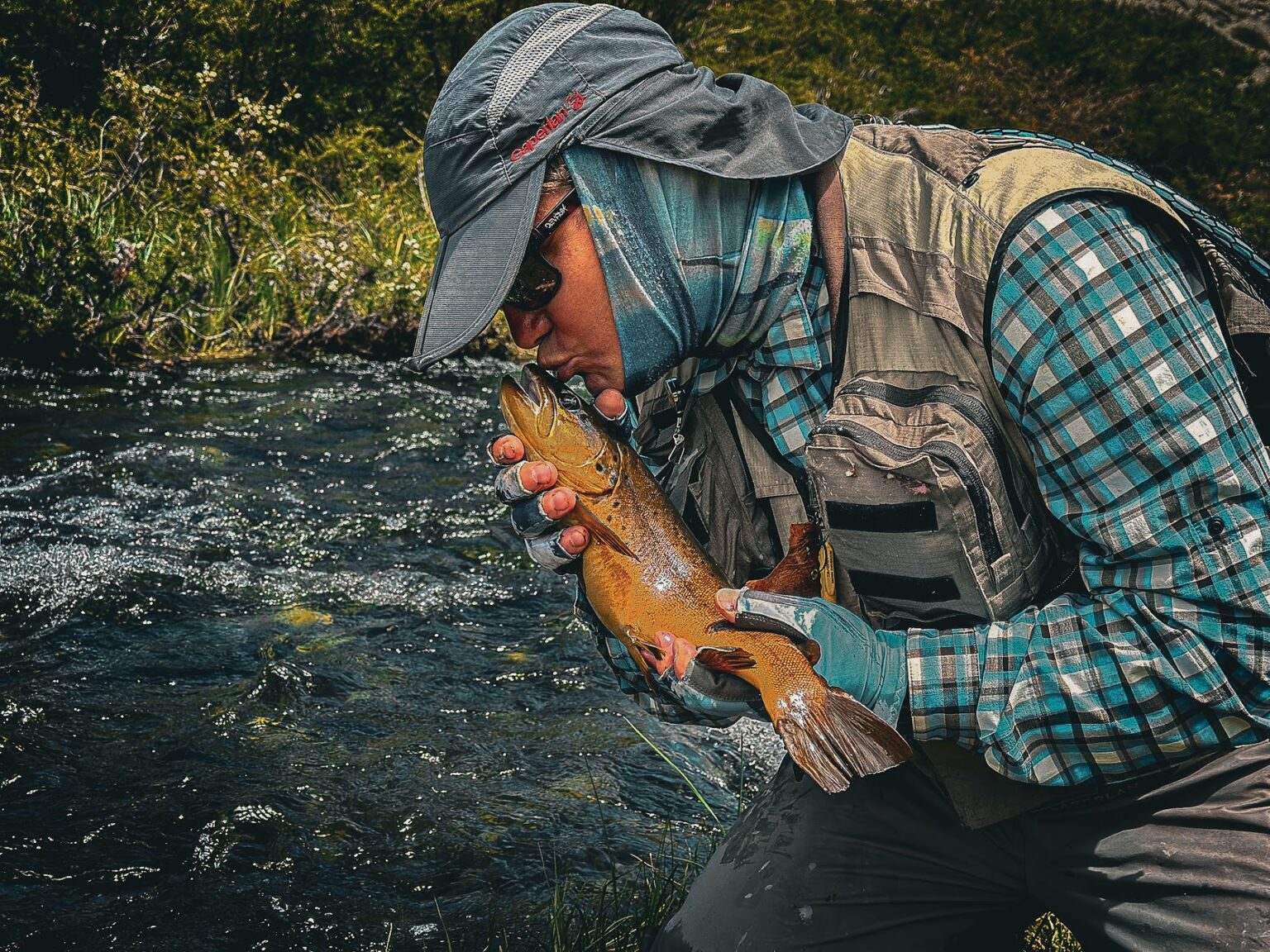
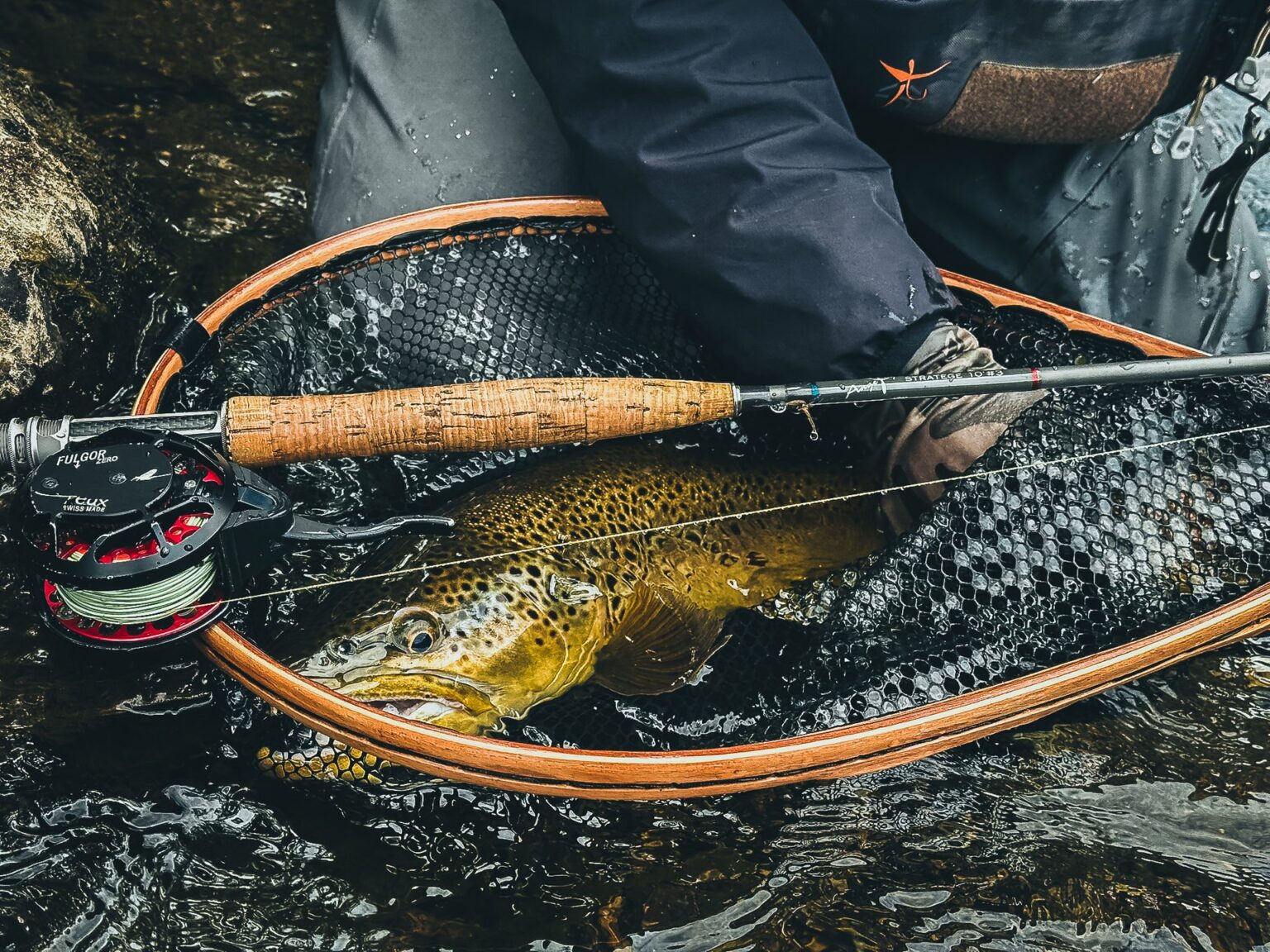
No record. But her dress is extraordinary: a golden belly to shame the finest ceilings of the Vatican. The take, the fight, this setting… That is why we are here. That is why we come back.
The mark it leaves
Those rivers are on no fishing map. They have no famous name, no reputation to defend. They simply exist, cold, wild, indifferent to everything happening elsewhere. And that is exactly why we go back.
Patagonia is lived intensely and leaves a mark that does not fade. You never come home quite the same.
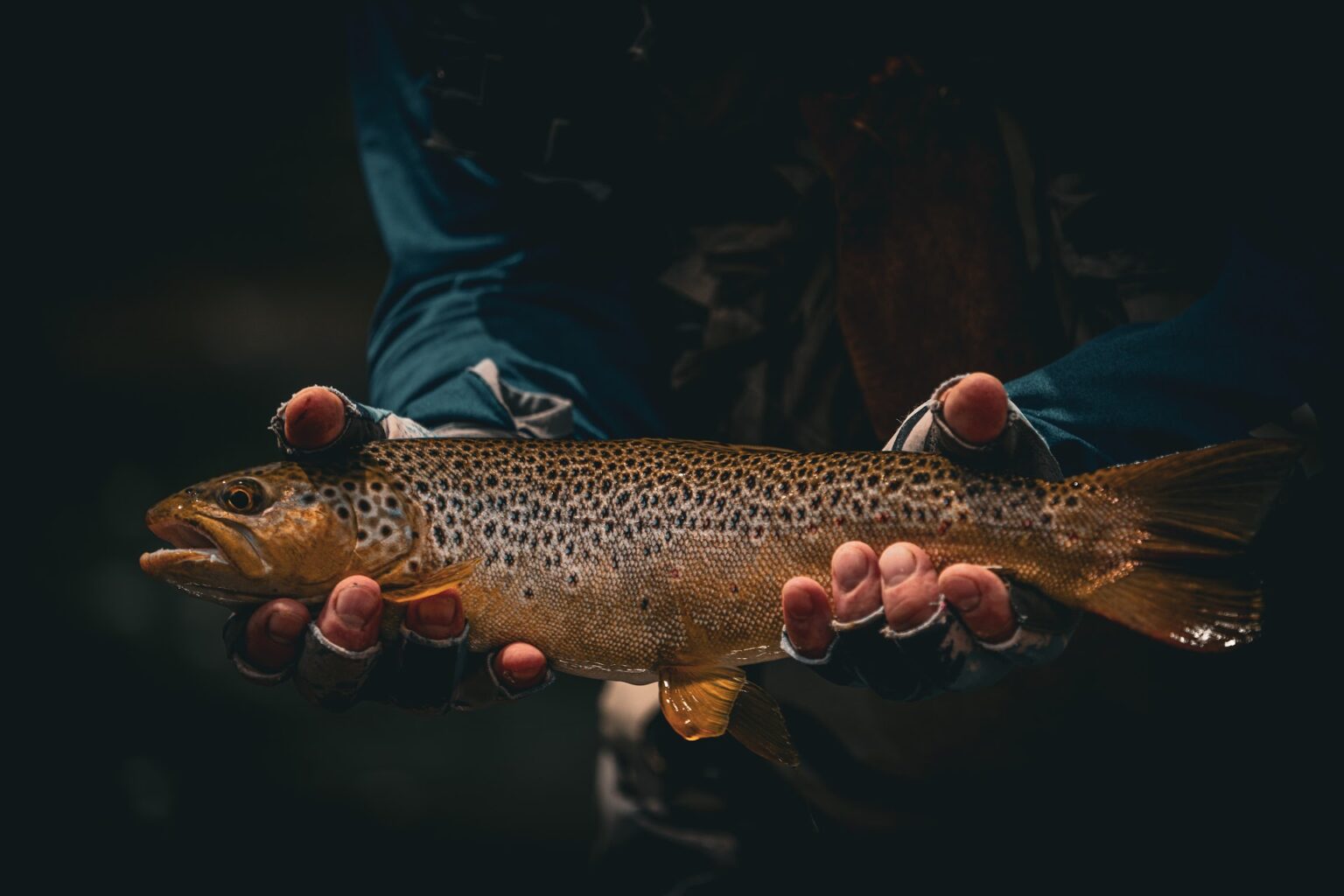
And if these rivers are calling you, everything starts on the fly fishing in Argentine Patagonia page, or with a message: write to me.
Patagonia Trashumante: the team that makes the trip
A fishing trip is more than a river and some fish. First of all it is a team. Mine, in Argentine Patagonia, is called Patagonia Trashumante, and if I introduce them here it is because I see them as friends before partners.
How we met
I came for the first time in February 2022, with friends, simply to try the destination. I fished, I posted photos, with no other intention than to share what I was seeing. That is when Gerardo came across me on social media. He wrote to me, then invited me back to fish several days with his team. I said yes.
On the ground I saw two things at once: the huge potential of this corner of northern Neuquén, and the potential of the team that knows it by heart. I have worked with these men ever since. The word is badly chosen, in fact. I do not work with colleagues, I go fishing with friends.
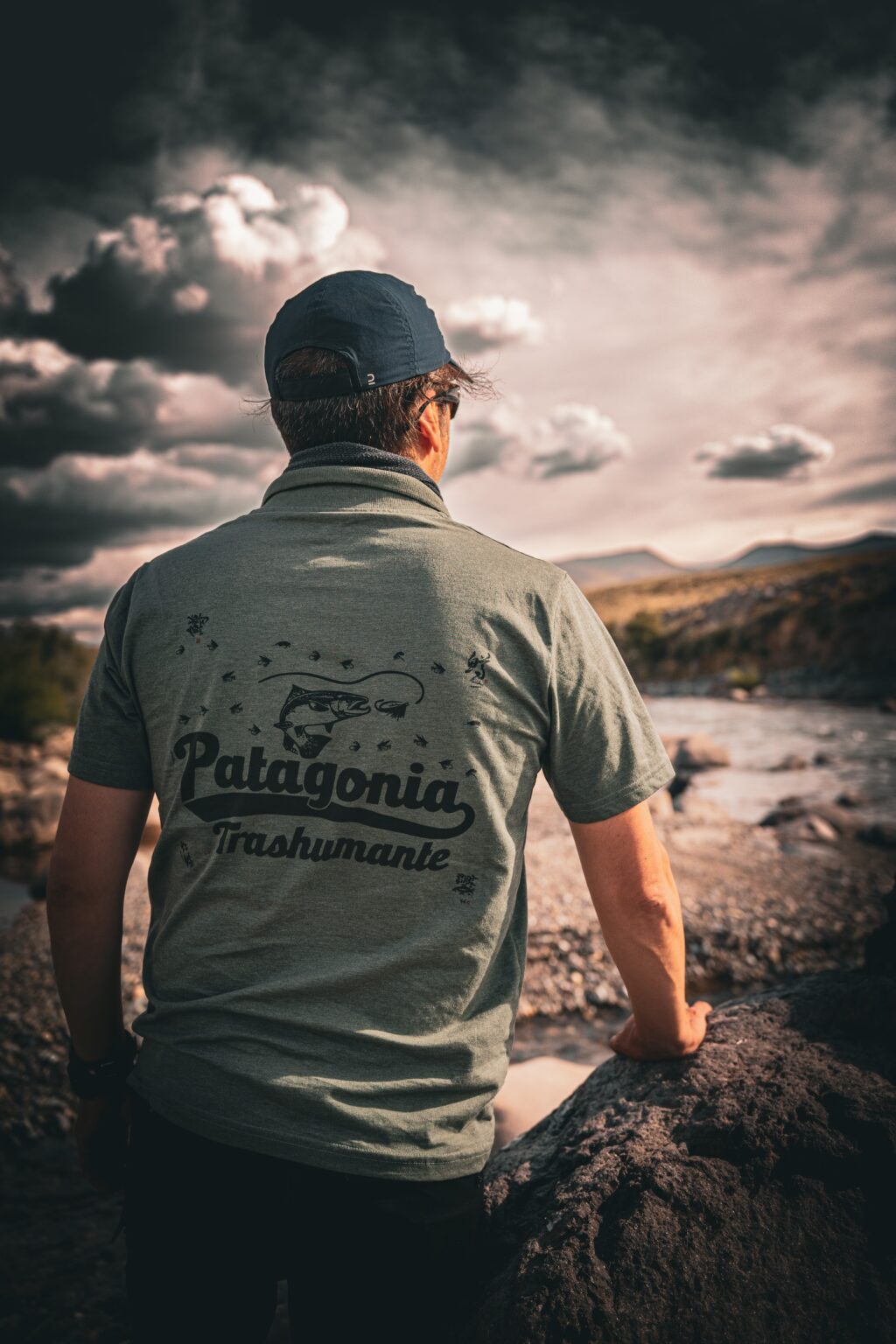
A team, not colleagues
What binds a team of guides cannot be decreed. It is built over days on the water, kilometres of dirt track, asados that run late, missed fish and fits of laughter. Trust, here, is not a sales pitch. It is what lets you hand an angler over to someone with your eyes closed.
When I design a trip with Patagonia Trashumante, I know exactly who takes you to the river, and I know you will be treated the way I would be. That is the whole point of travelling with a small local outfit rather than an anonymous machine: behind every day, there is a face and a first name.
The faces of the trip
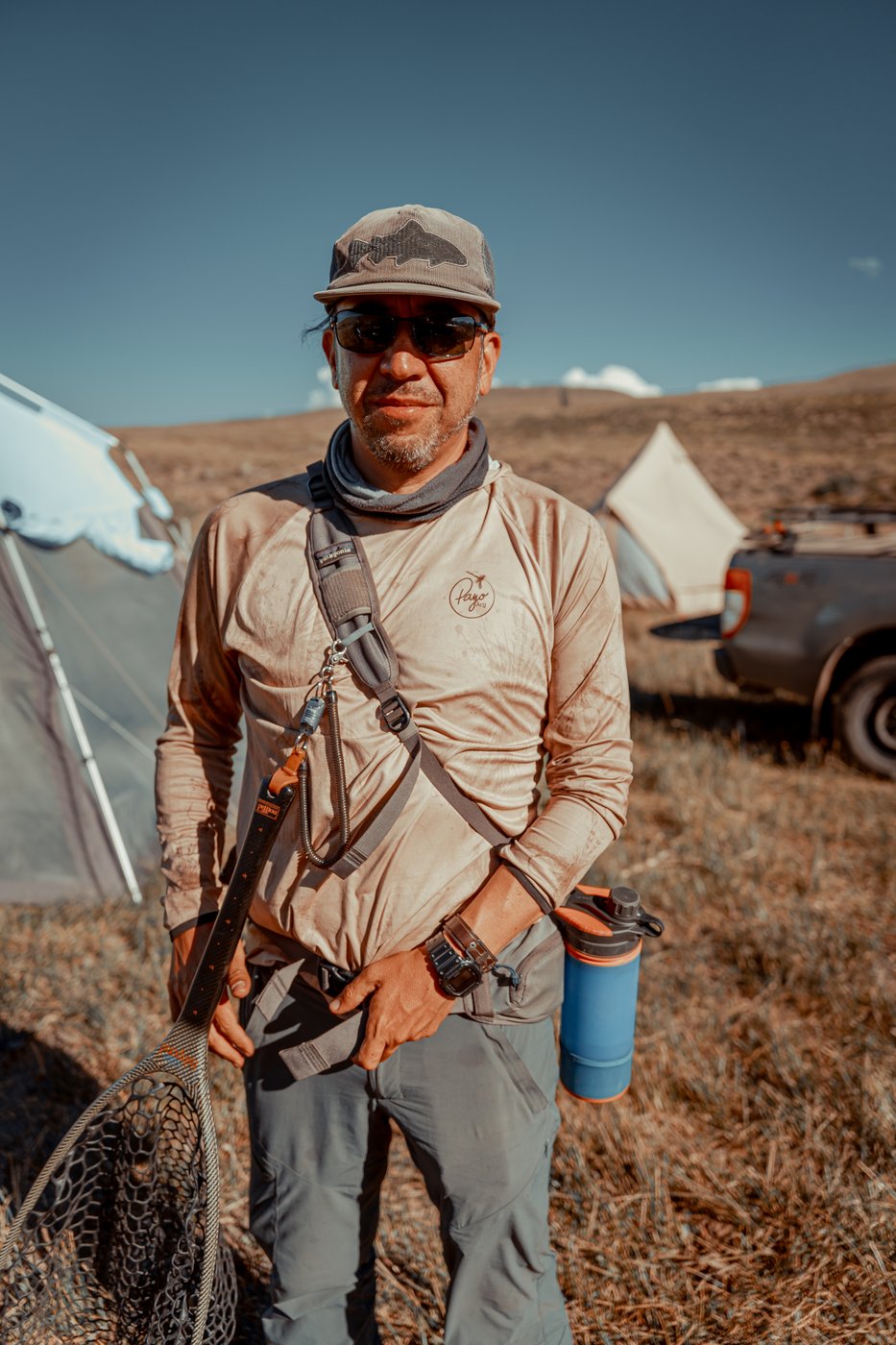
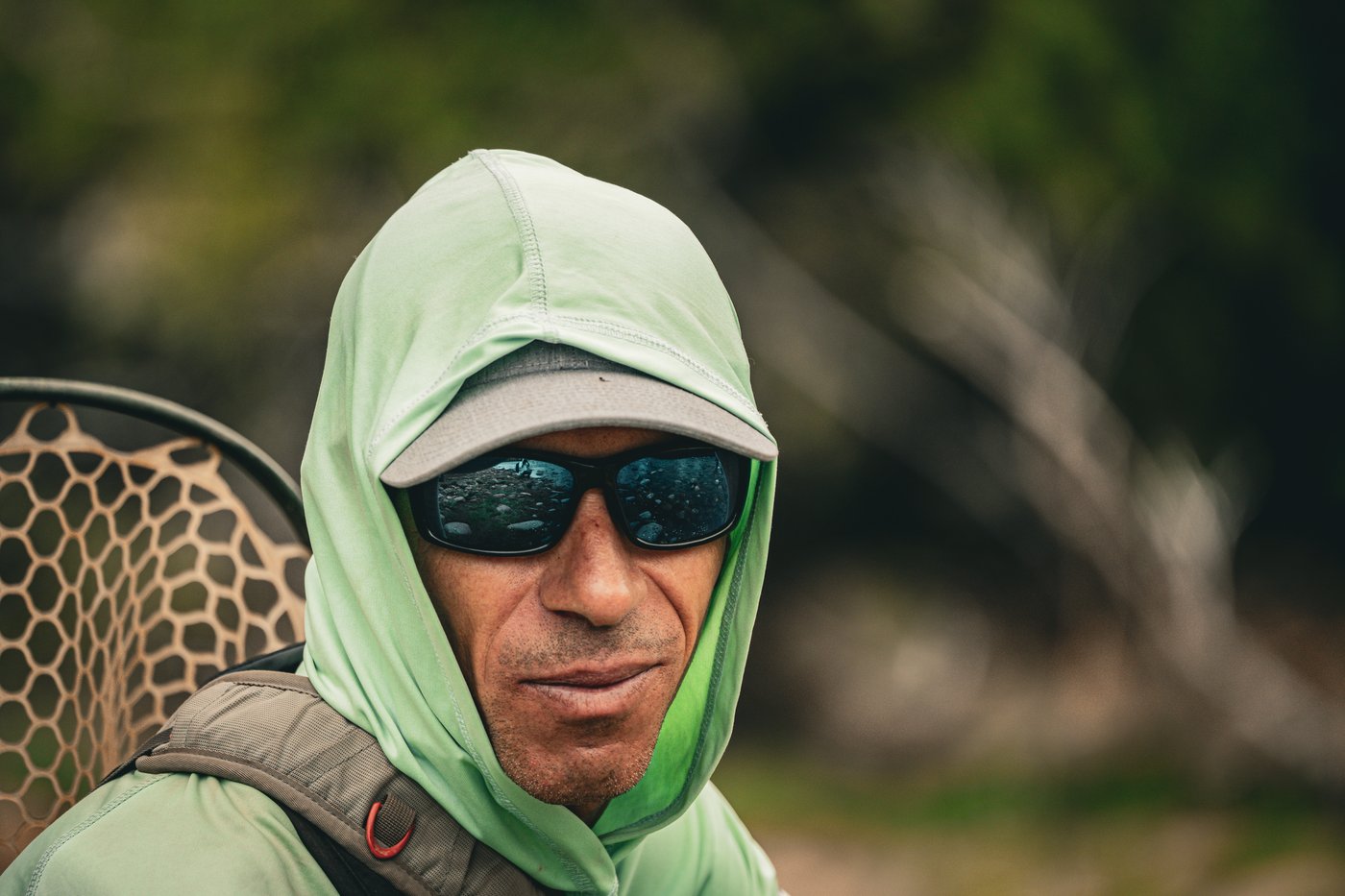
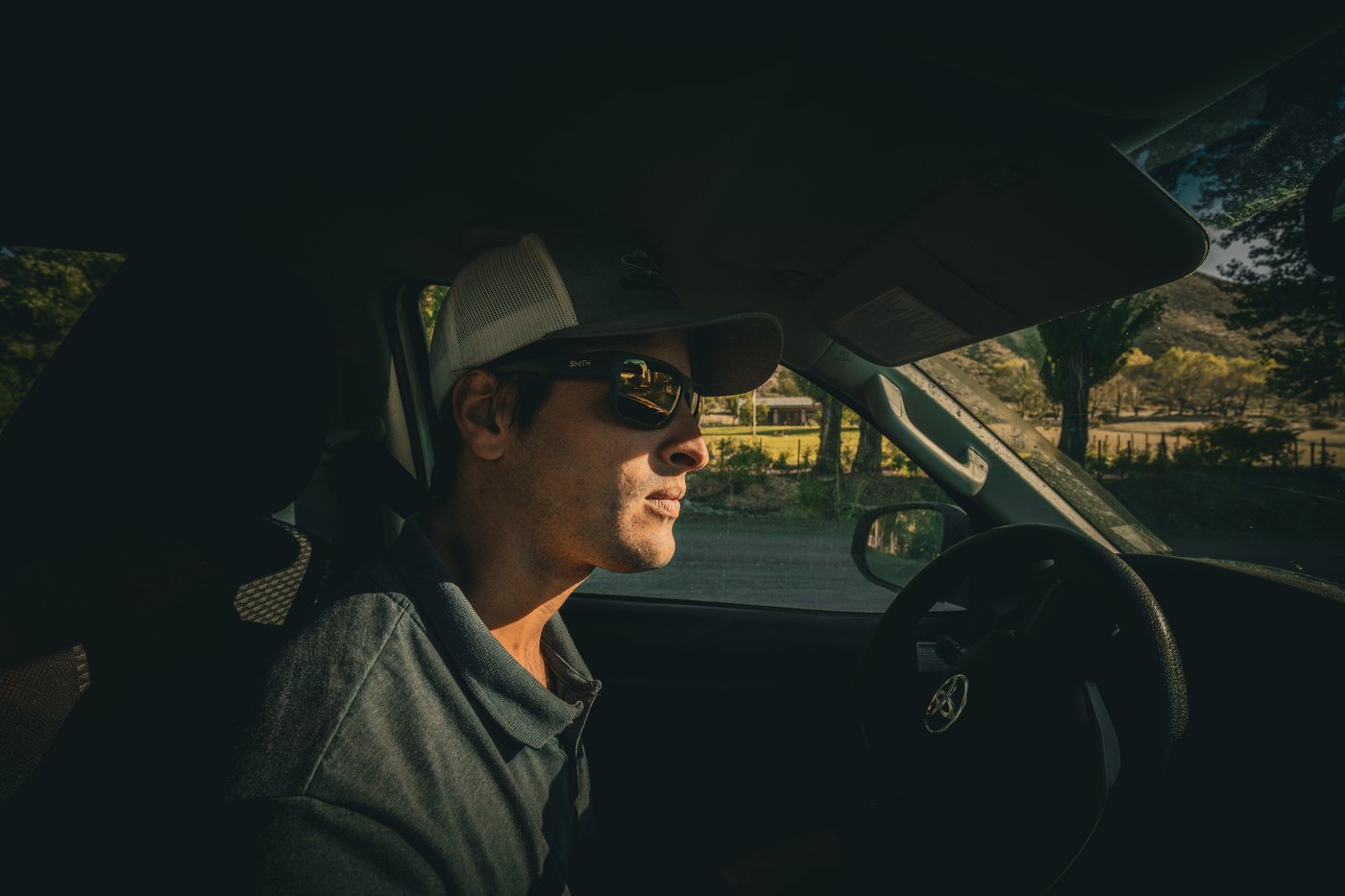
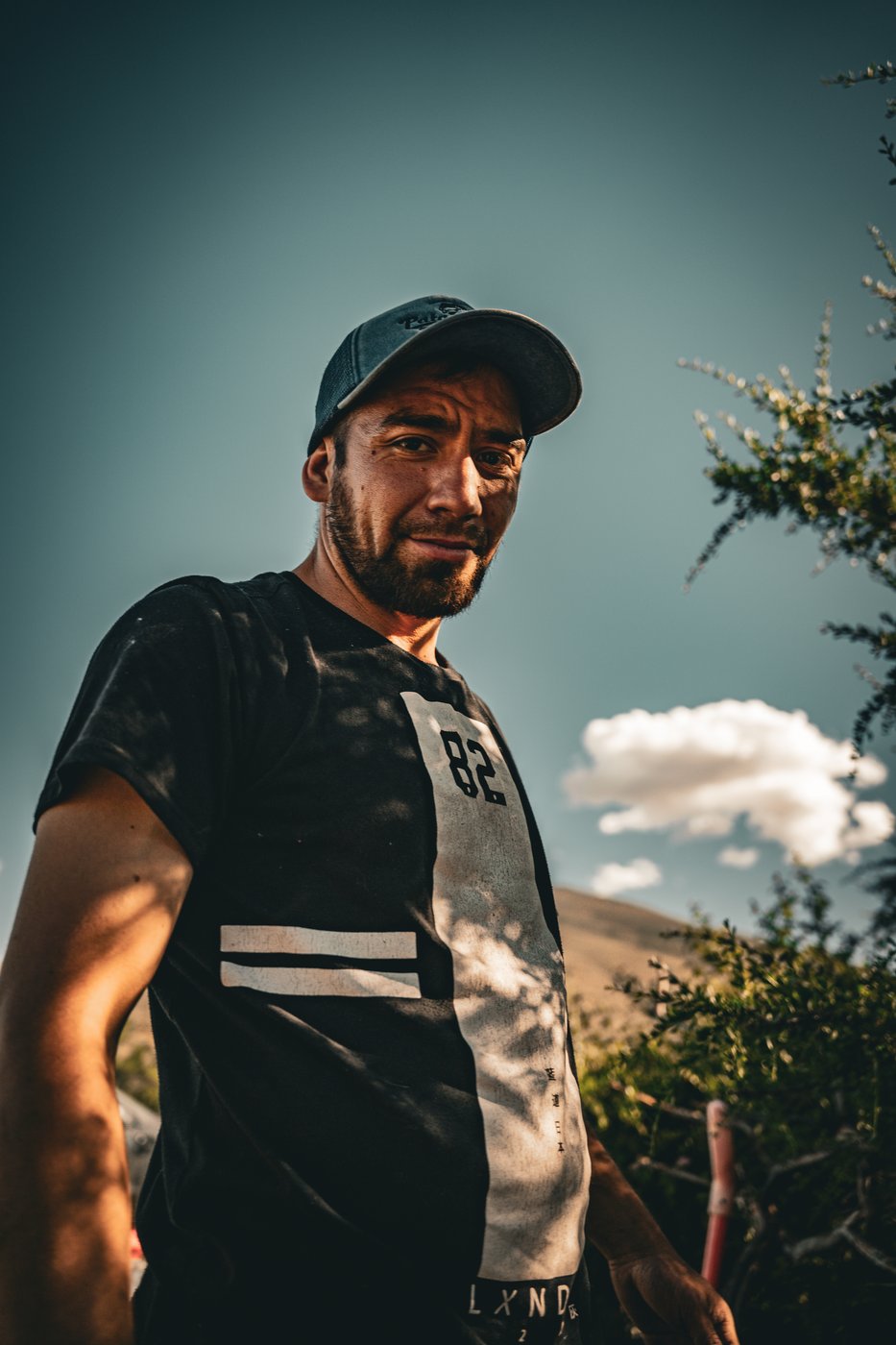
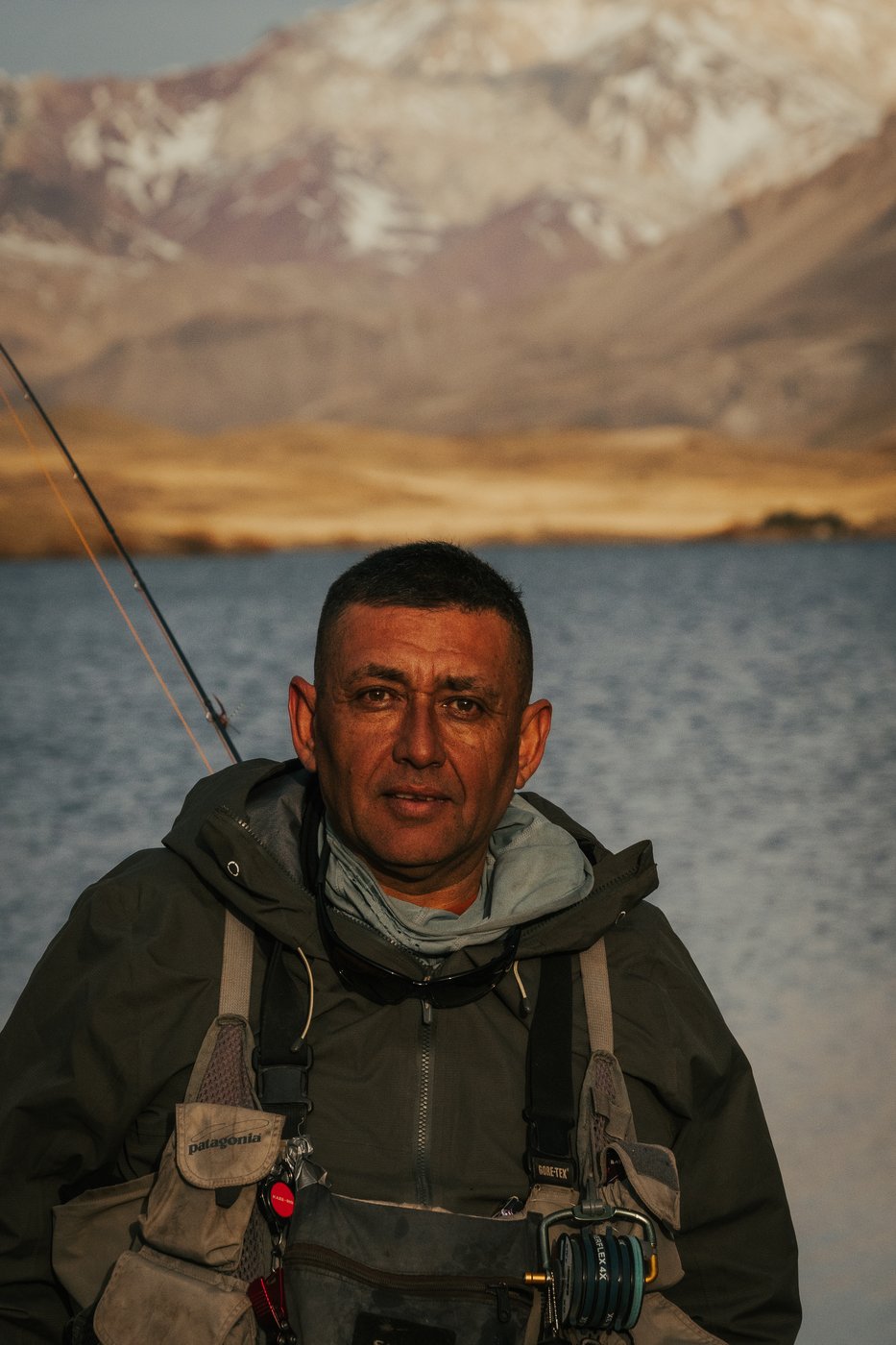
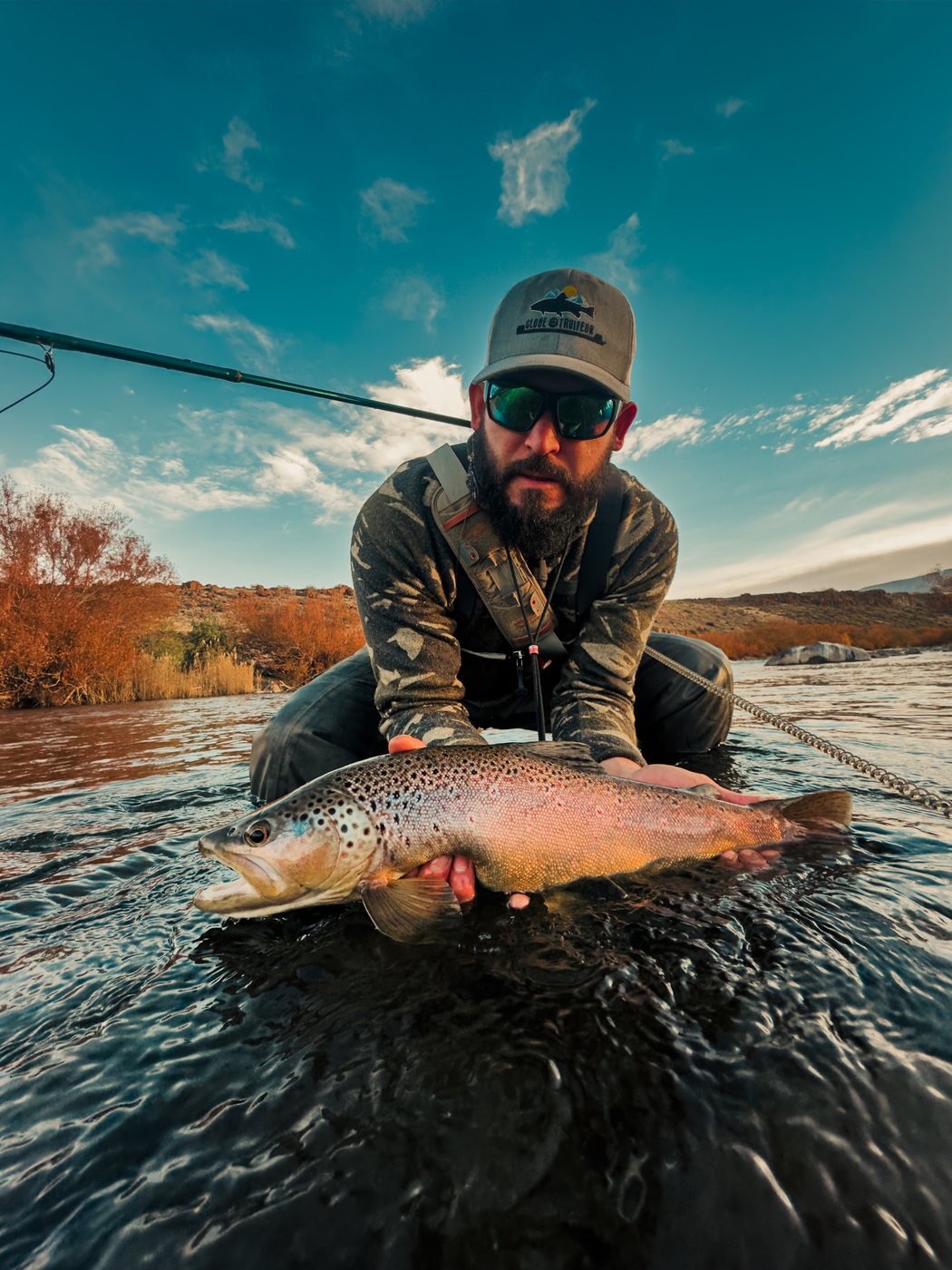
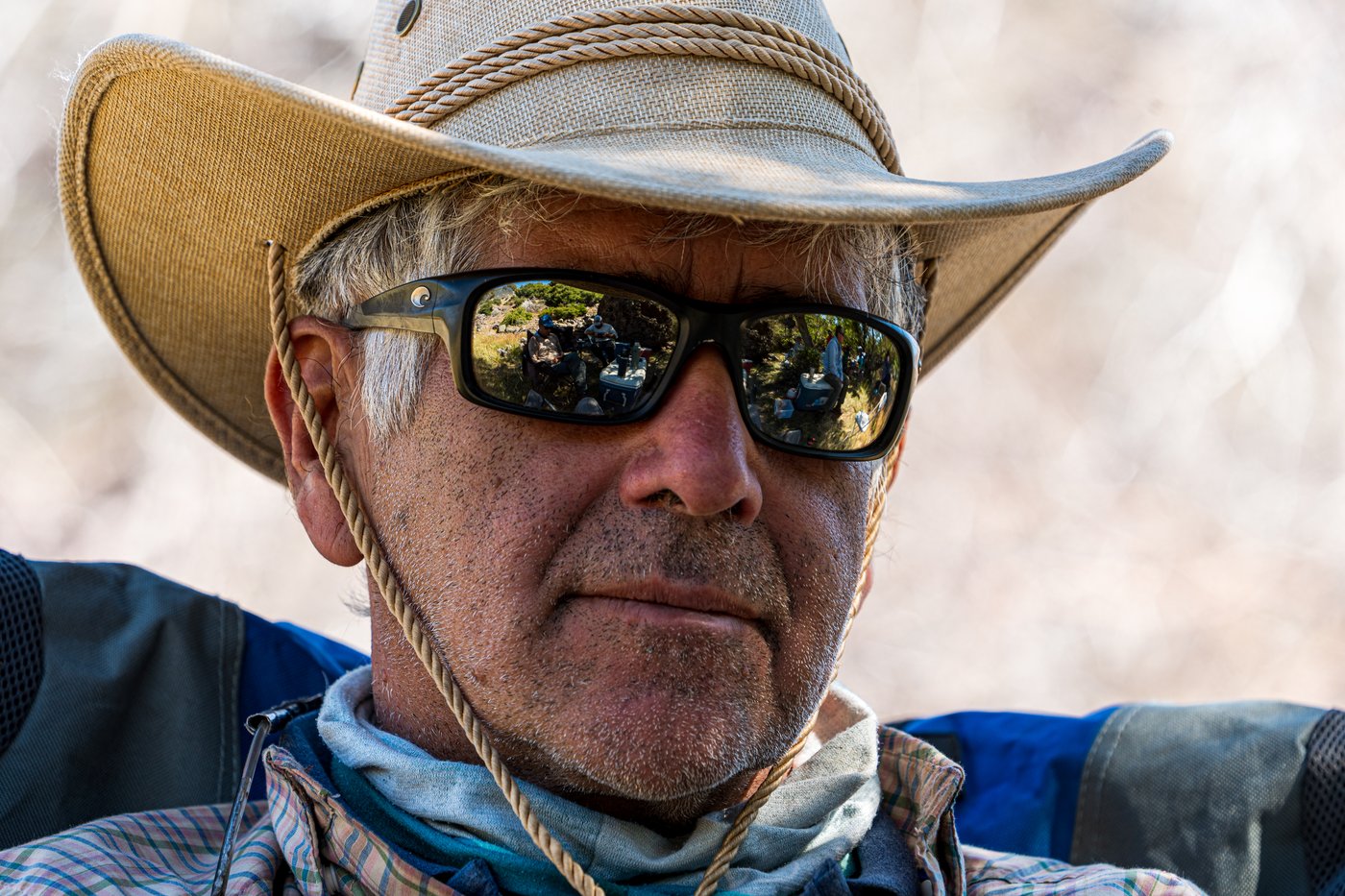
Behind the name, there are men. Here are the ones you will meet, on the water, at camp or on the track.
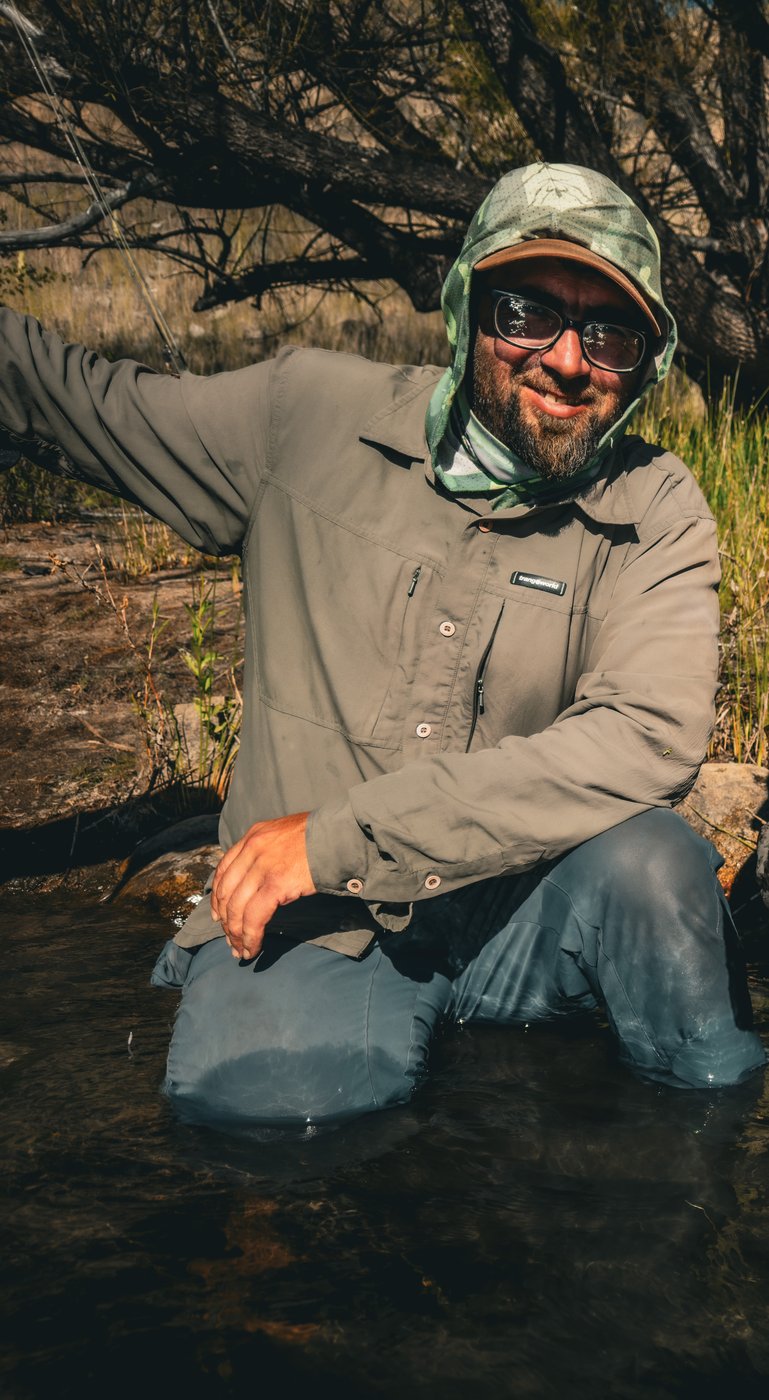
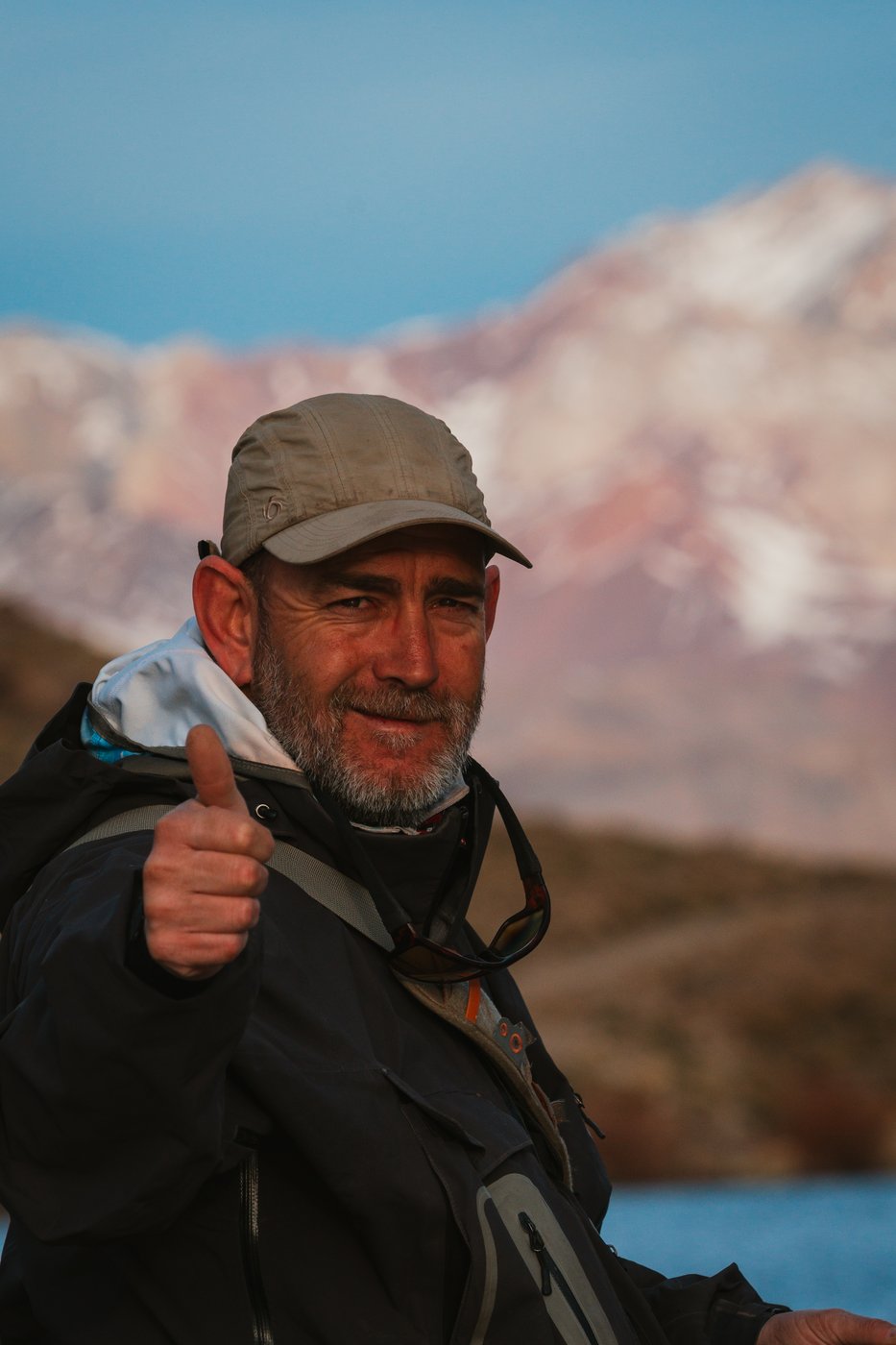
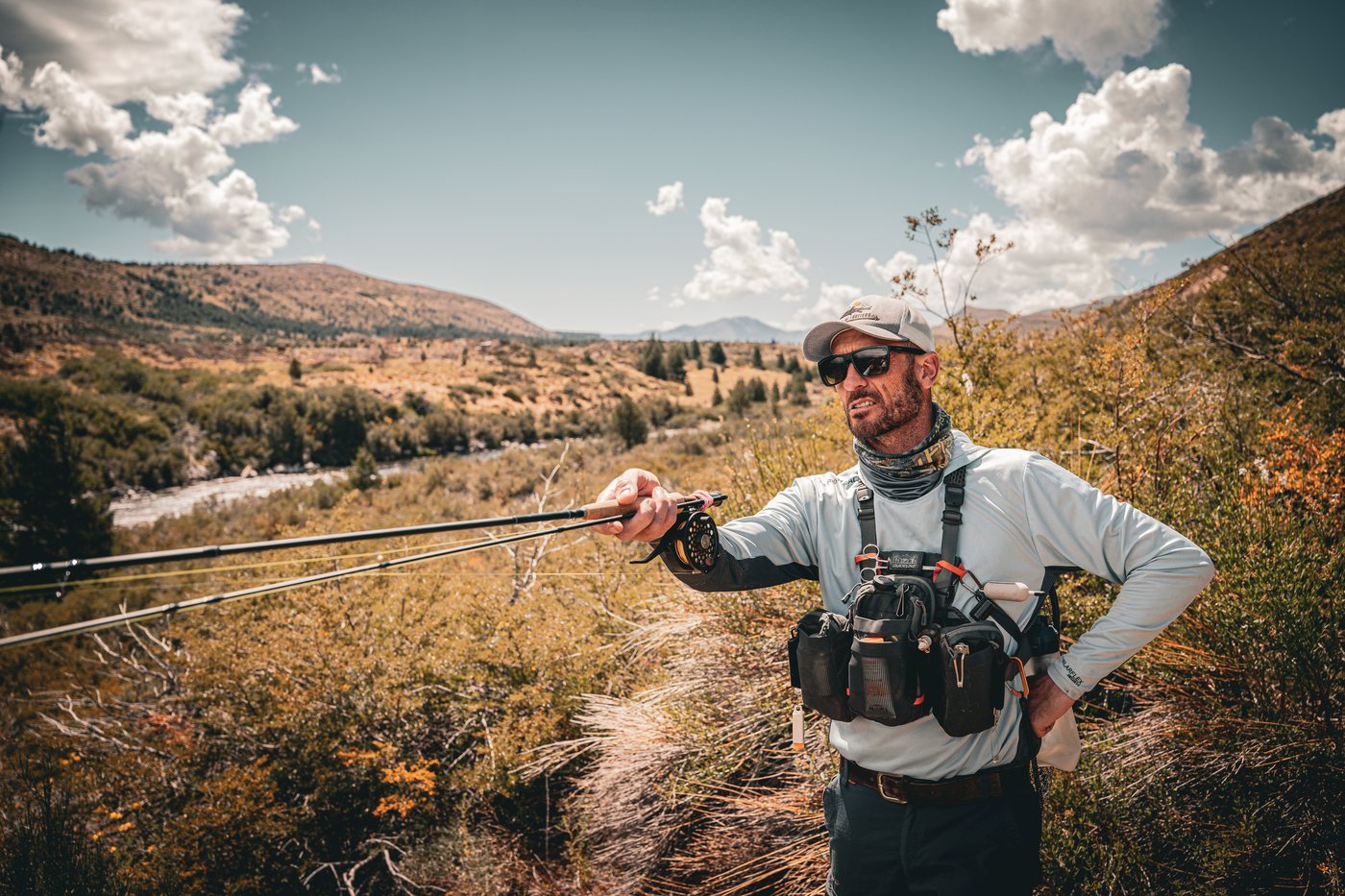
What it changes for you
A fly fishing trip to Argentine Patagonia with Patagonia Trashumante is not an off-the-shelf package. It is a licensed local team guiding on the water, me designing the trip and staying with you from the first day to the last as interpreter and friend, and the certainty of travelling with people you can trust. The rest, the wild rivers, the trout that rise without a doubt, the table by the water, follows from that.
To discover the trip, everything is laid out on the fly fishing in Argentine Patagonia page. And to meet the team at home, visit Patagonia Trashumante. Fancy joining us? Write to me and we will talk.
The dorado forgives nothing: a fishing trip with friends in northern Argentina
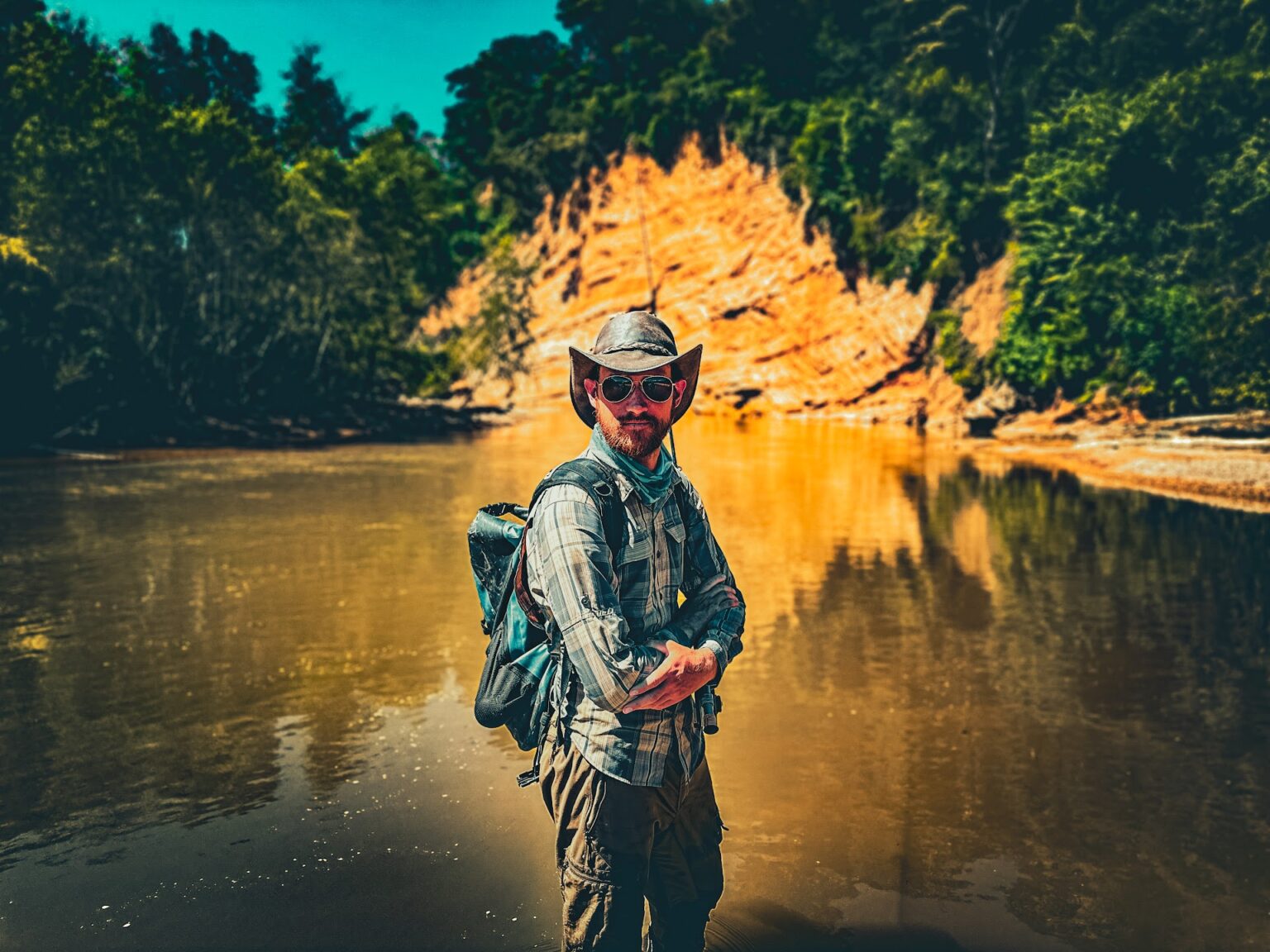
The water had turned since morning, brown, heavy, the kind that makes even guides who have known the river for twenty years start doubting. Kévin and Félix had come for dorado, not to watch the level climb. We changed plans three times before noon.
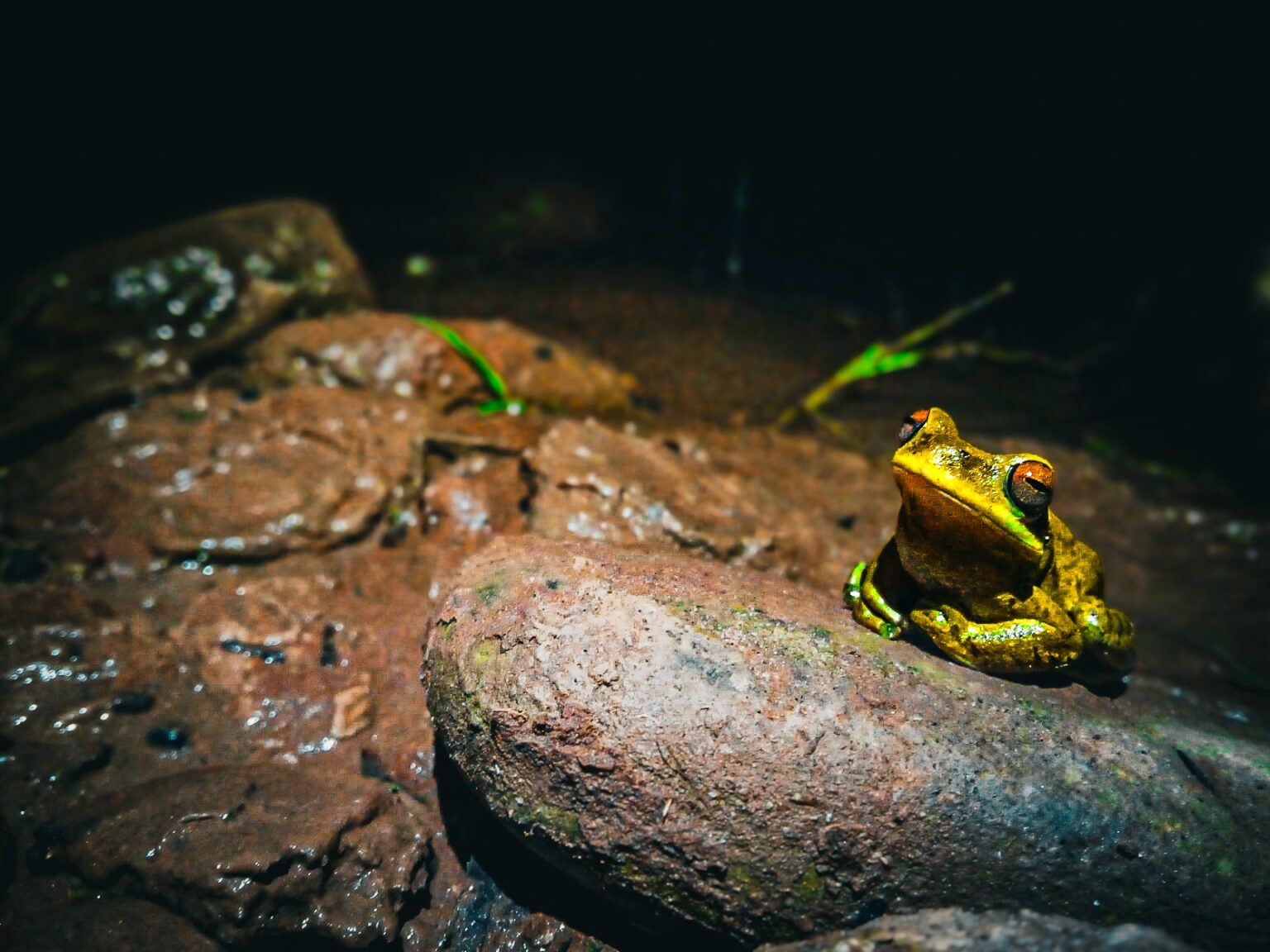
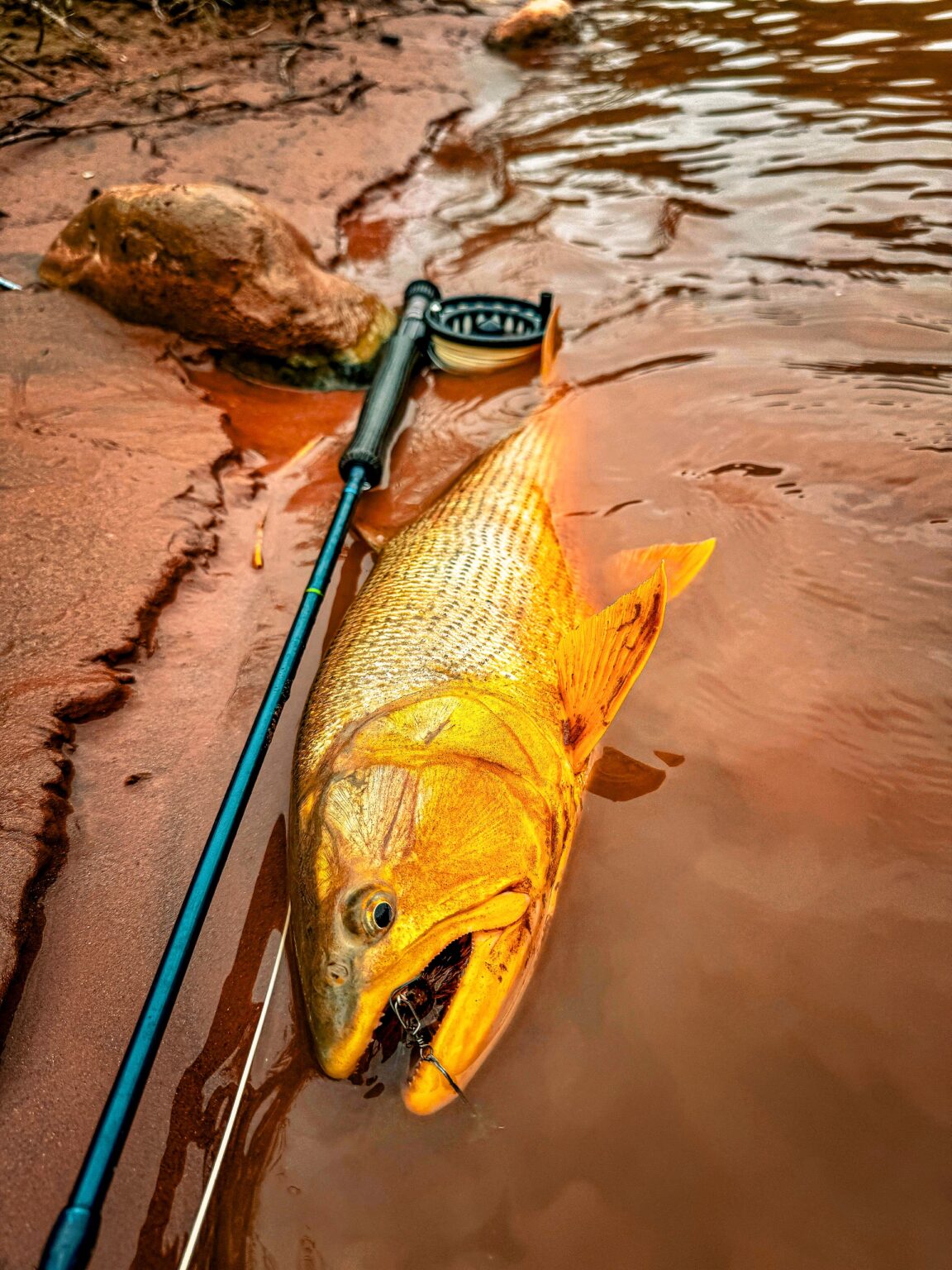
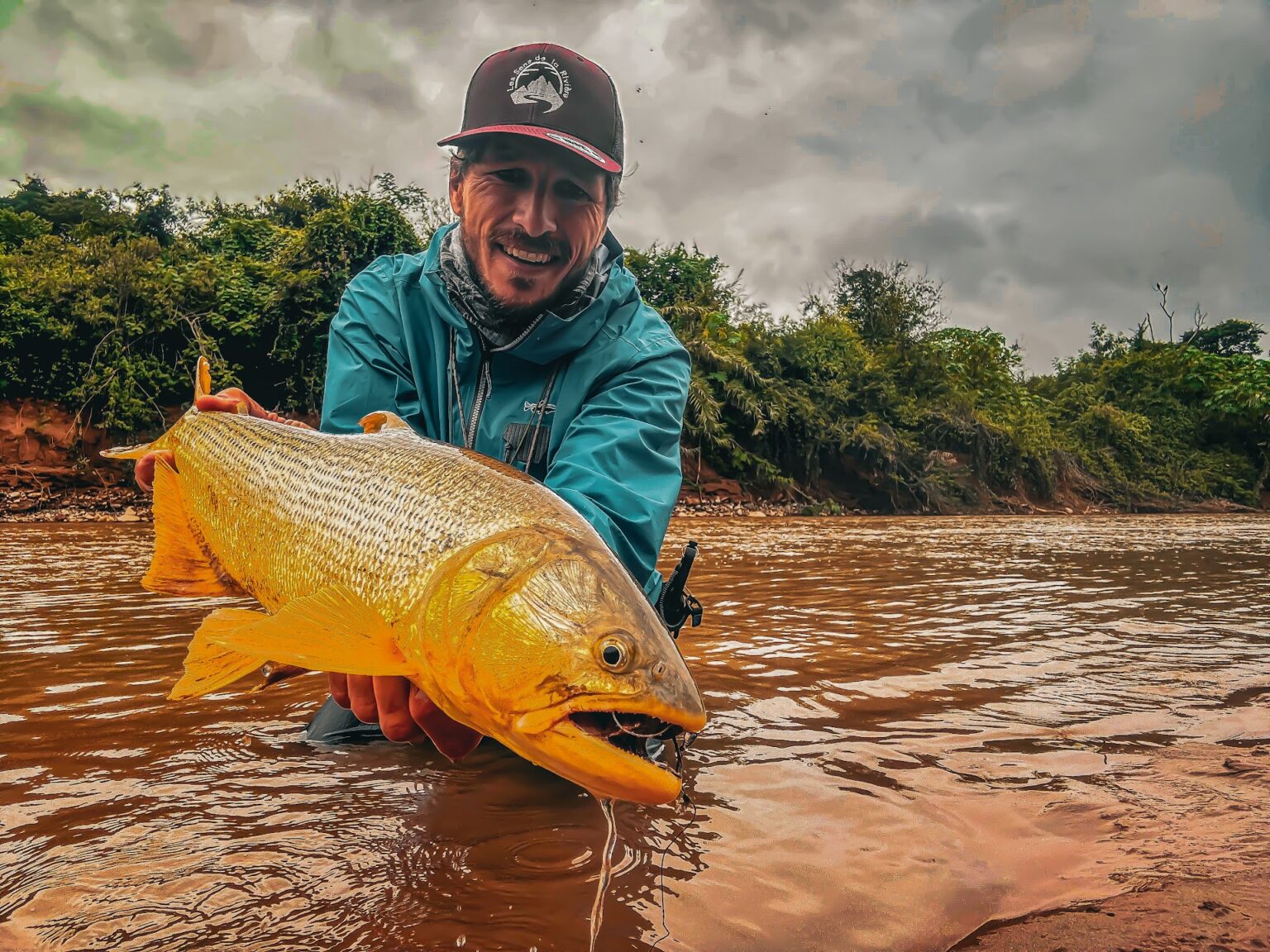
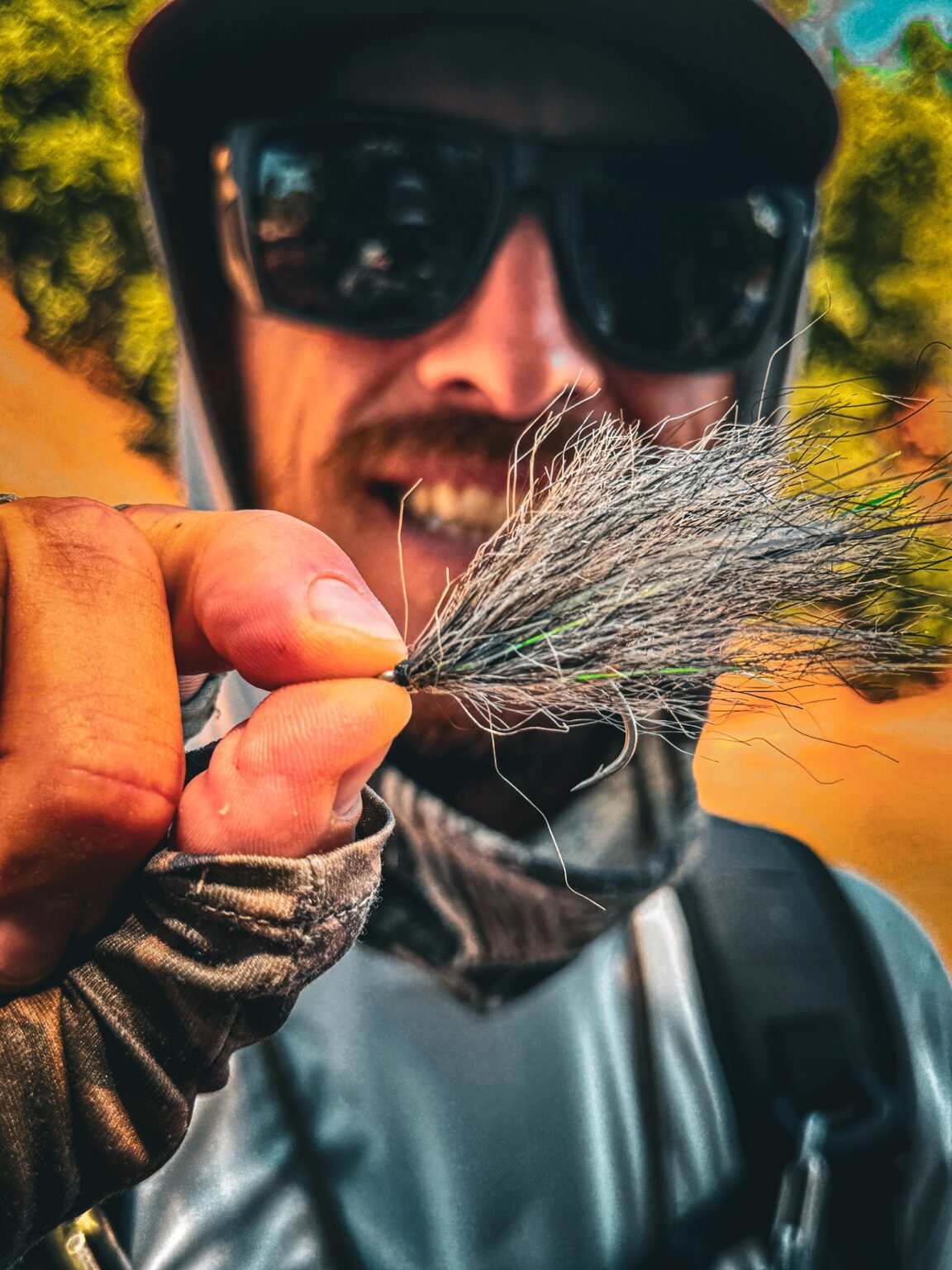
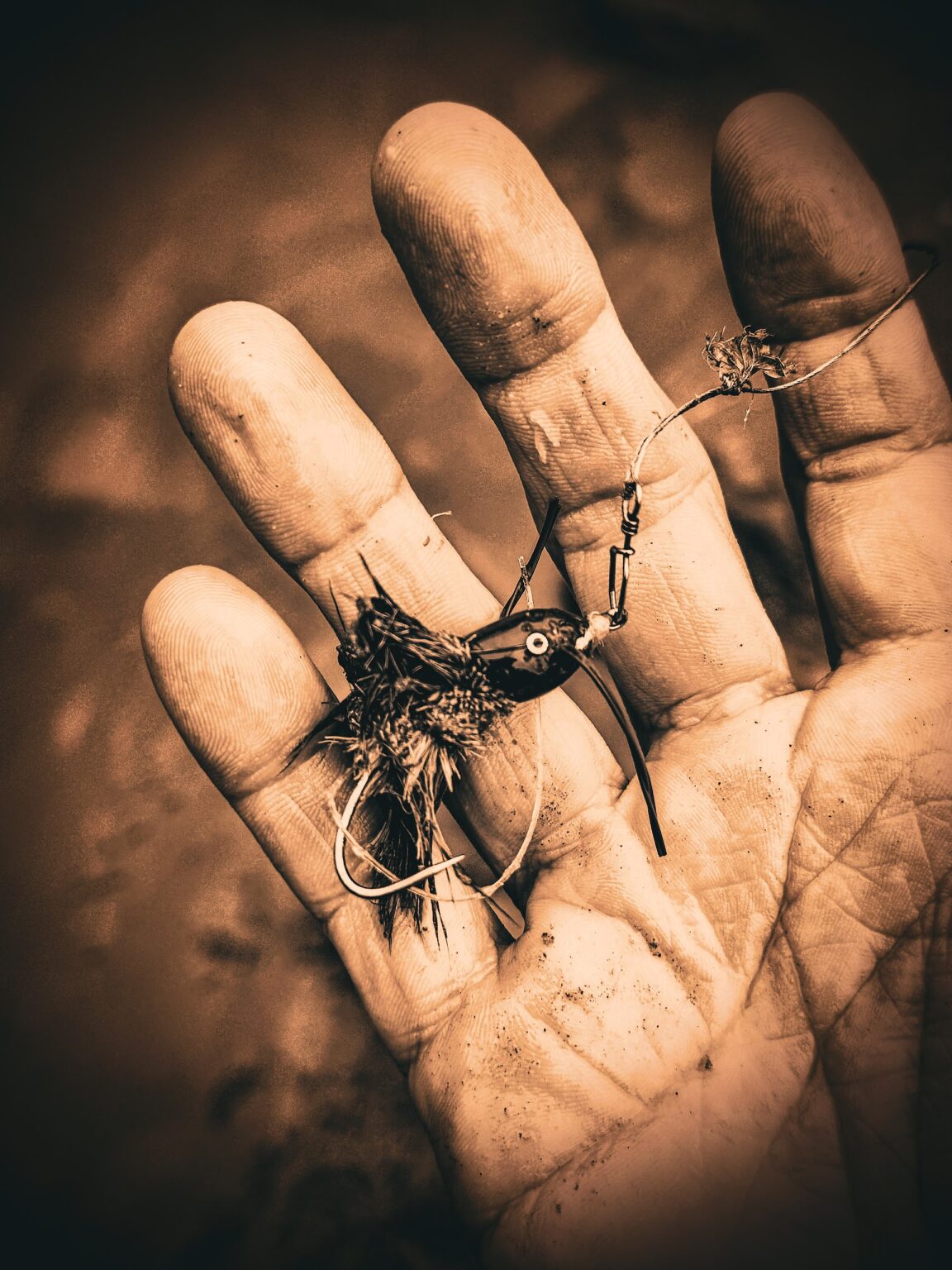
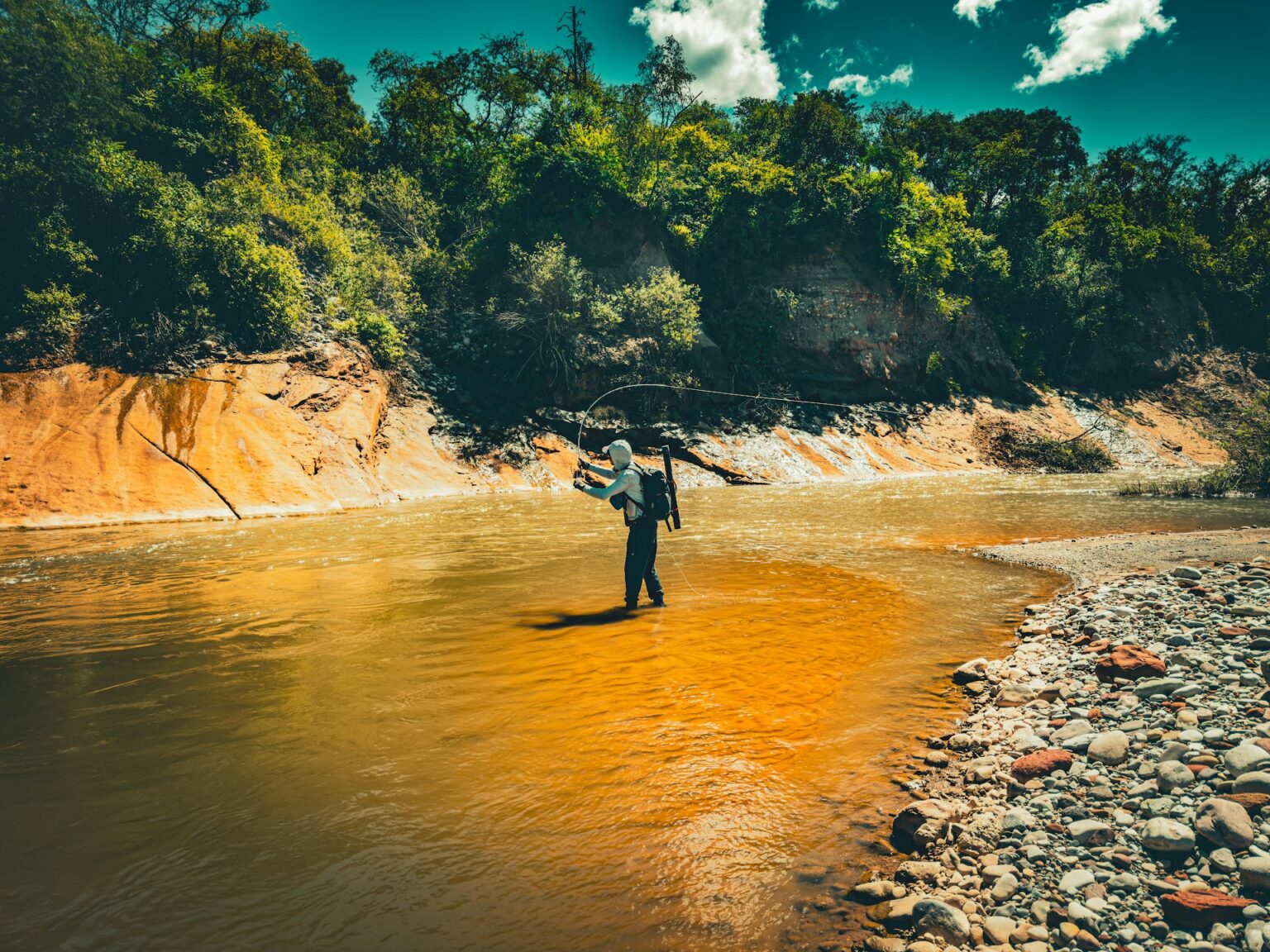
The dorado, Salminus brasiliensis, has none of a trout’s discretion. This is a fish that charges, that snaps wire leaders as if they were sewing thread, that leaps clear of the water with its mouth wide open to throw the hook. And often succeeds. So you fish differently: bulky streamers, aggressive retrieves, and when the water really clouds up, you switch to mouse patterns swimming on the surface. A dorado hitting a mouse is a brutal thing to watch. Nothing else looks like it.
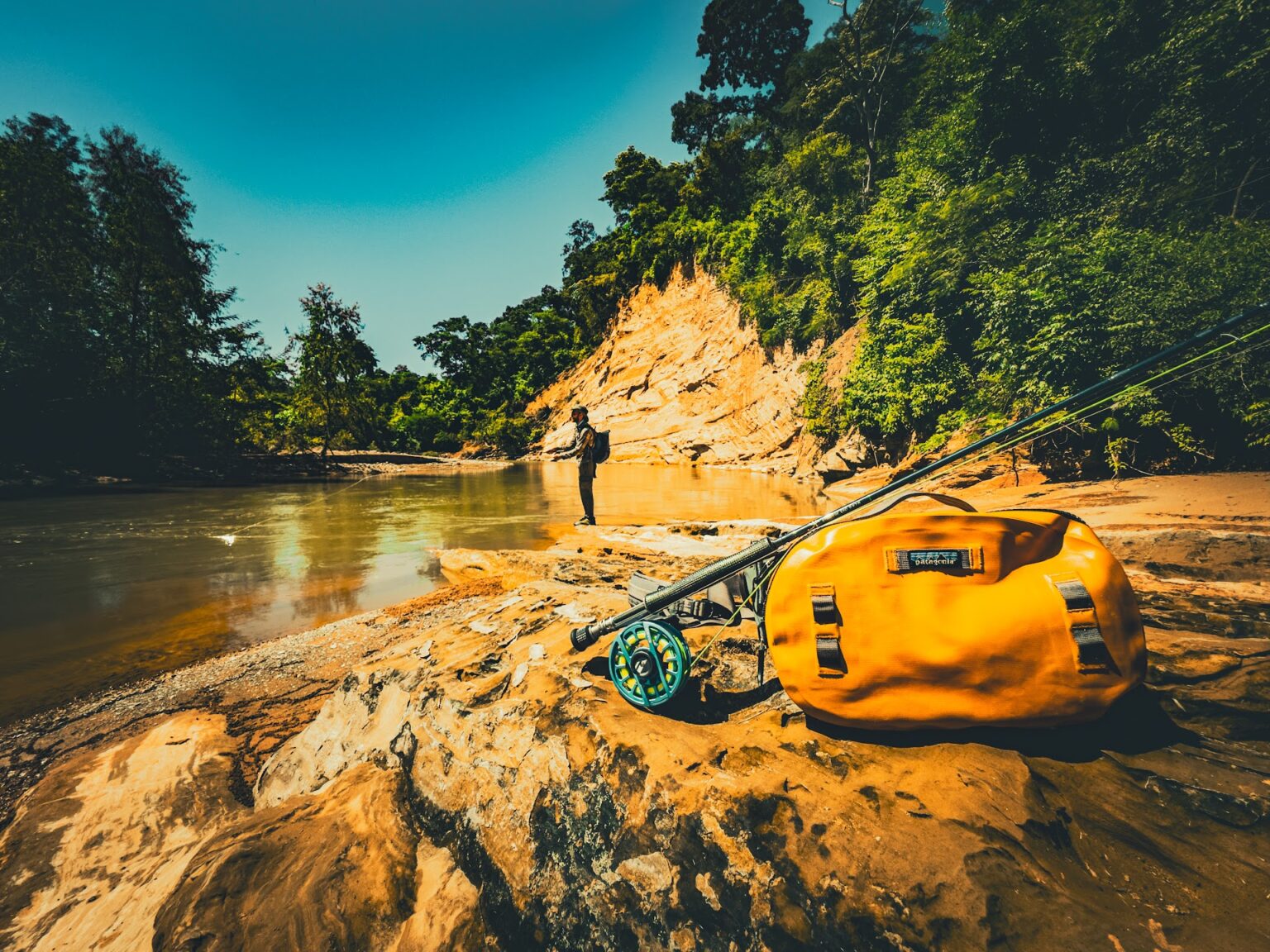
Late in the afternoon we finally found a clearer seam, against a bank where the current slowed. Félix had the first take: a ten-second exchange, line tearing off, then nothing. Opened hook. He looked at his rod, then at us, without a word. We laughed anyway, because there was nothing else to do.
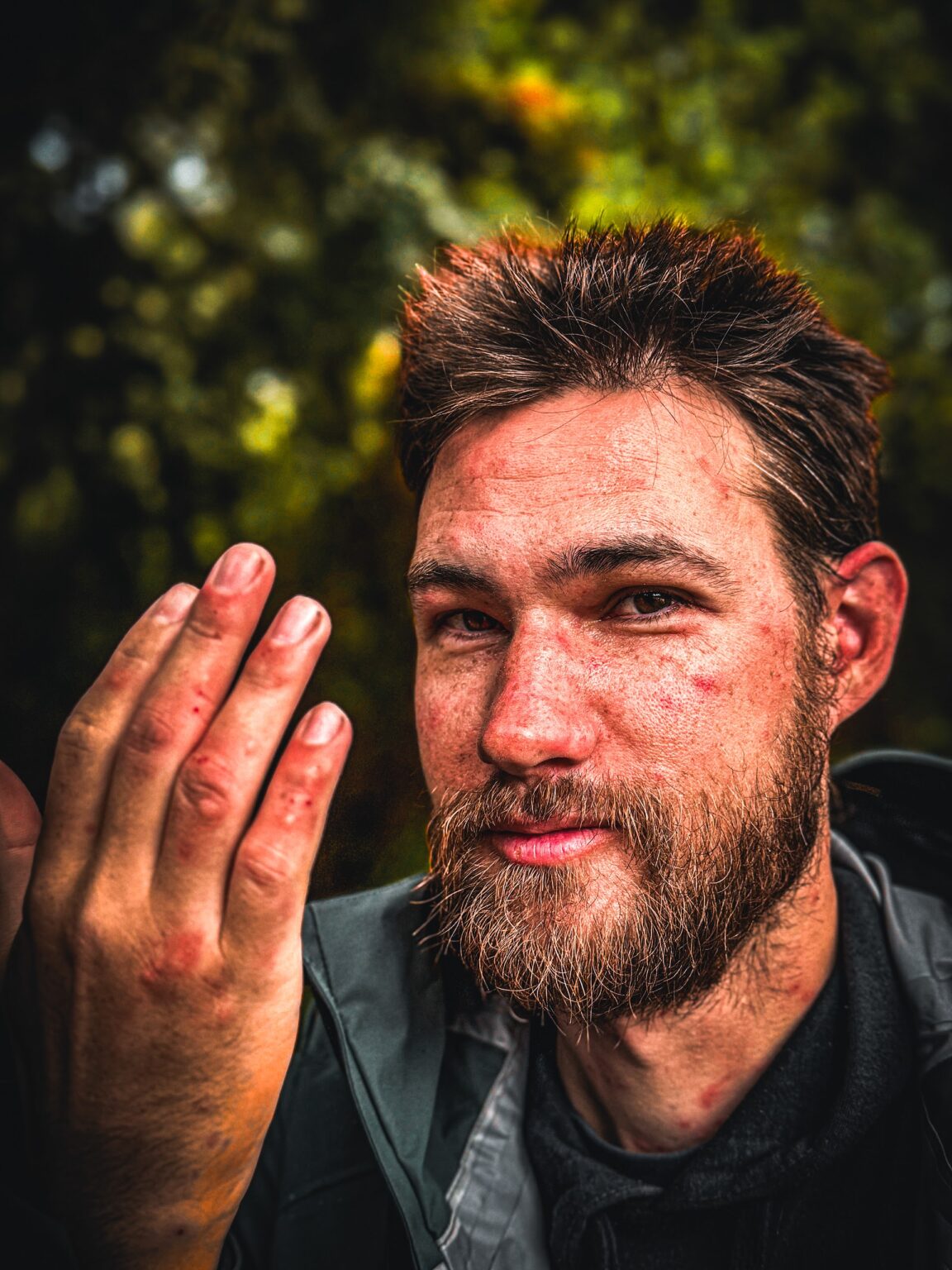
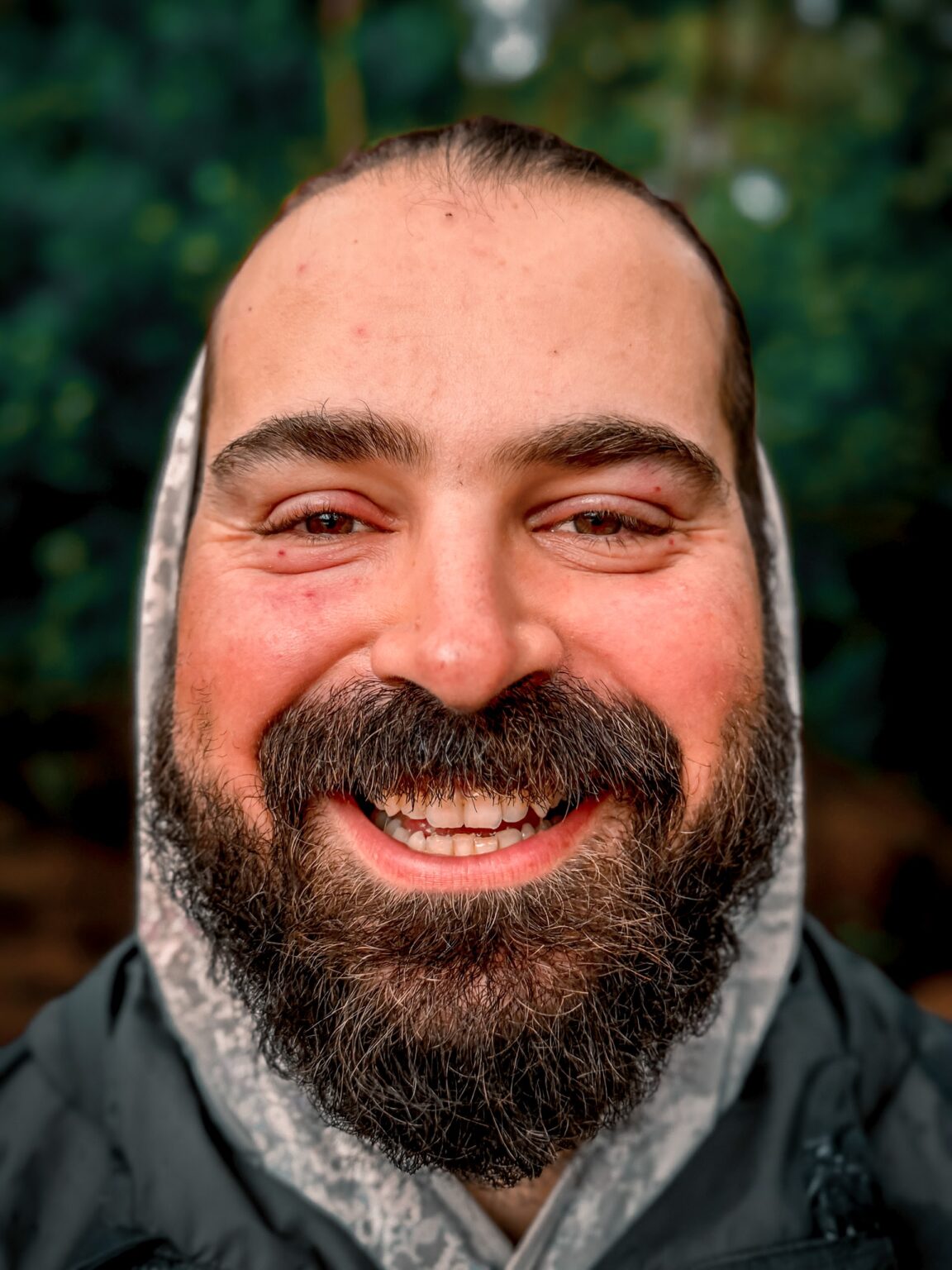
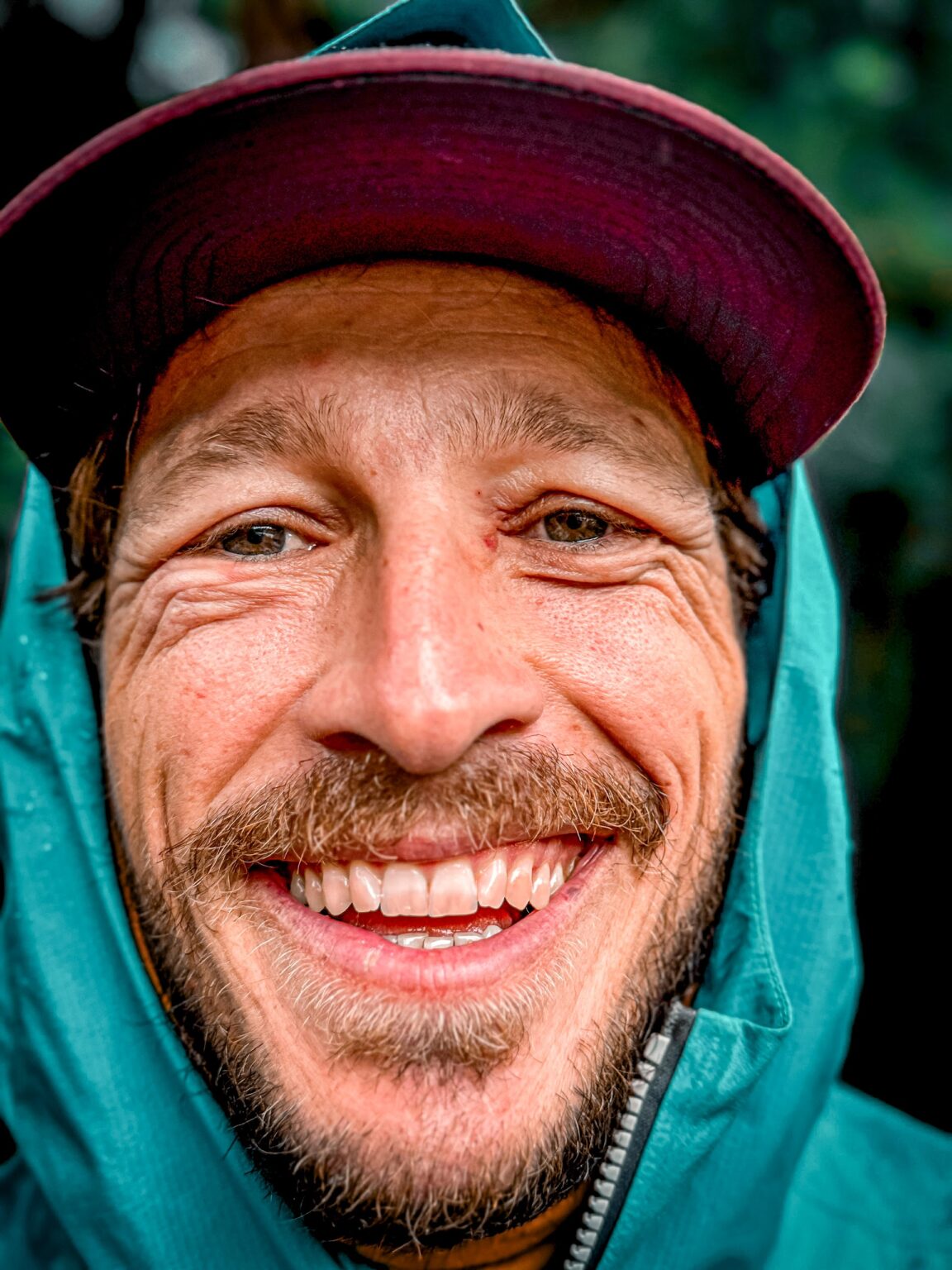
Kévin brought one to hand later, not huge, but enough to understand why this fish has the reputation it has. We watched it swim off and climbed back into the truck in silence, with that satisfied tiredness you only find on certain days.

Who is fly fishing for dorado for?
Fly fishing for golden dorado is not a game of precision, it is a game of commitment. You cast 8 or 9 weight lines and streamers that weigh their share, and you strip fast, sometimes violently, for hours if that is what it takes. A fly fisher used to trout finds the rhythm within a day: the movement is the same, the intention changes. You have to accept losing flies, missing fish, and starting again.
The people who come back from northern Argentina almost never talk about how many they landed. They talk about the first strike they saw, and what it did to them.
What to know if you want to try the dorado
The season generally sits between the austral spring and autumn, depending on water levels: it gets decided case by case, because the rivers of northern Argentina do not behave like the ones in Patagonia.
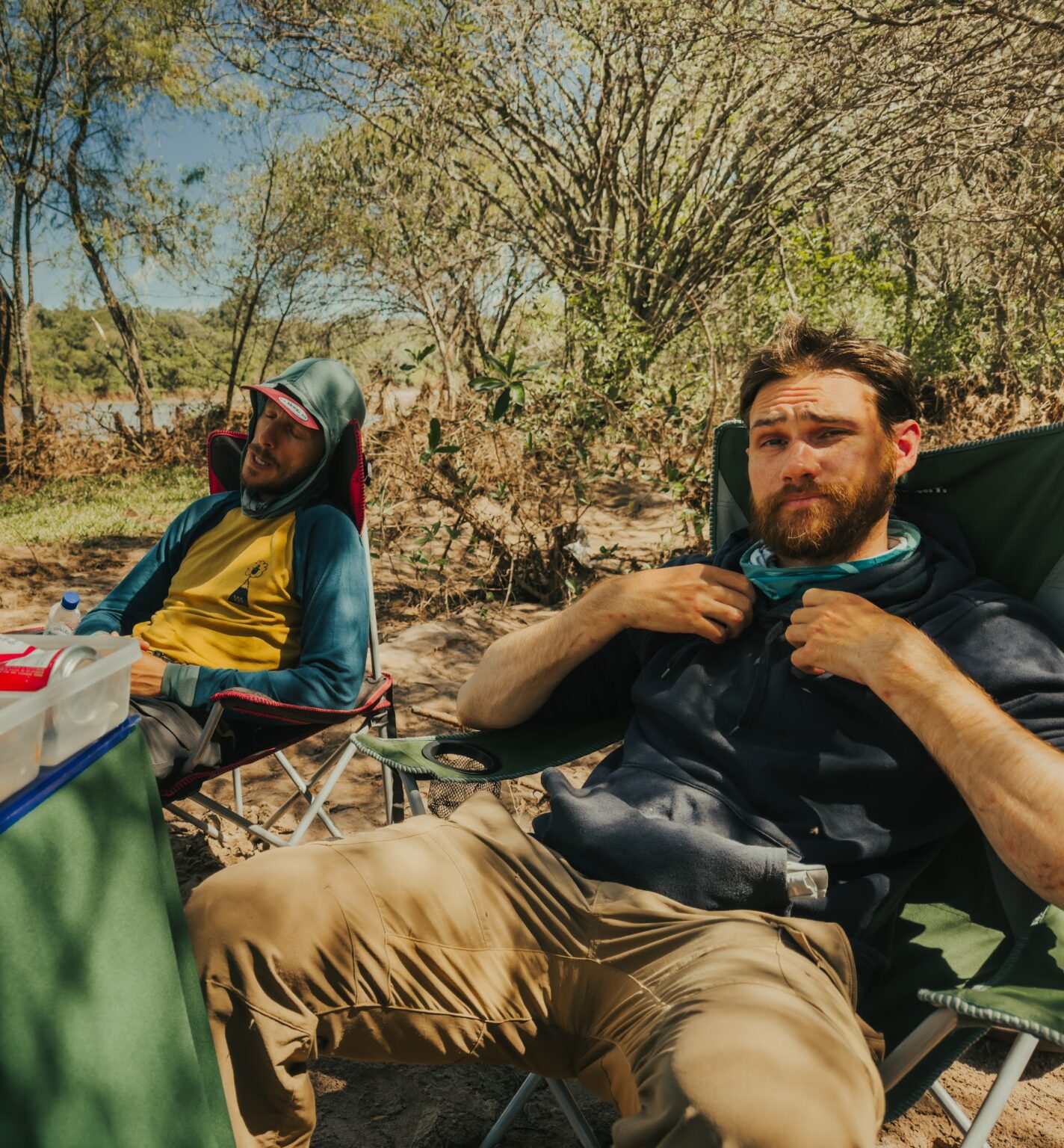
The gear differs too: heavier rods, wire leaders without exception, and a good reserve of flies, because you lose plenty.
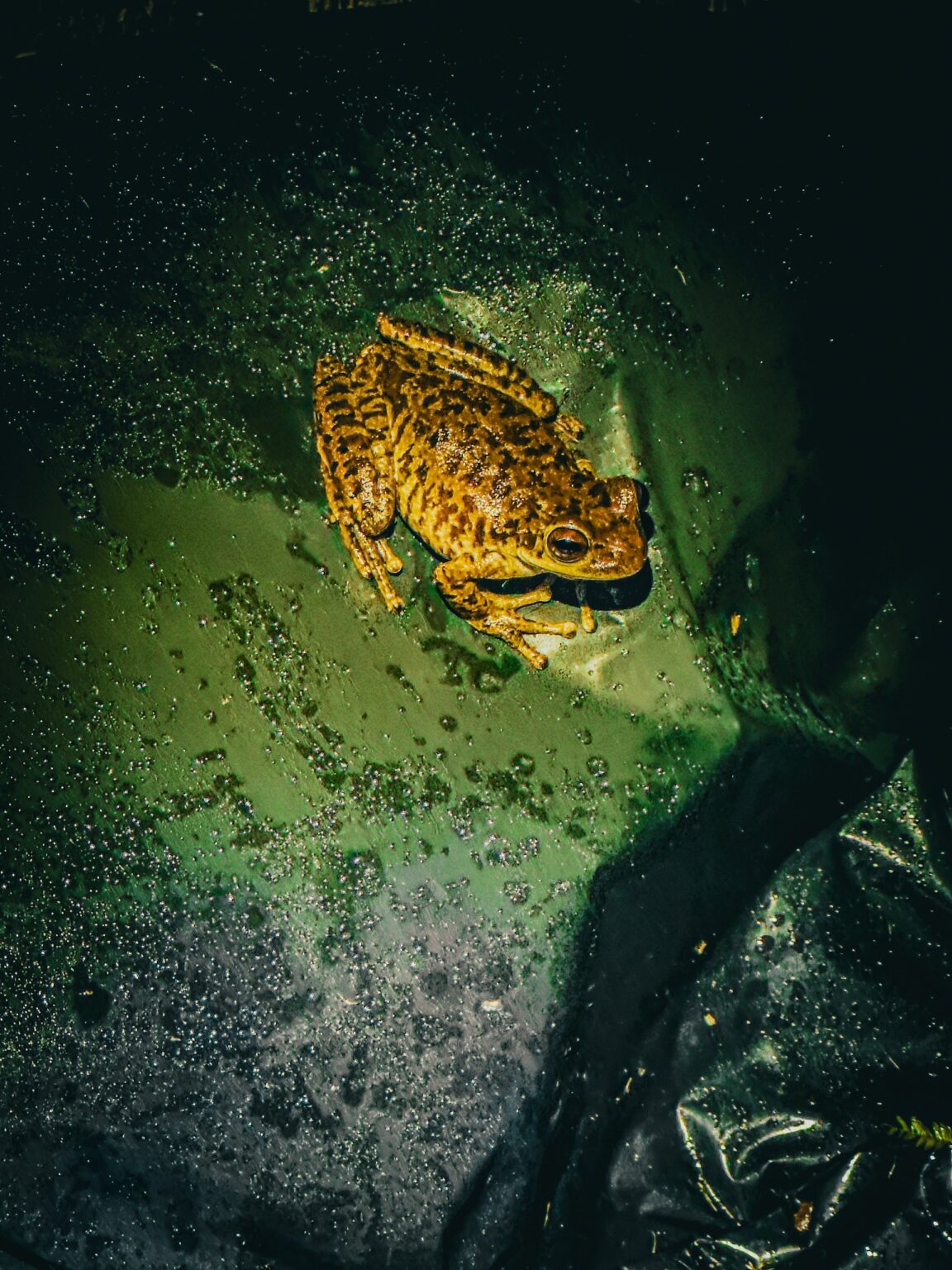
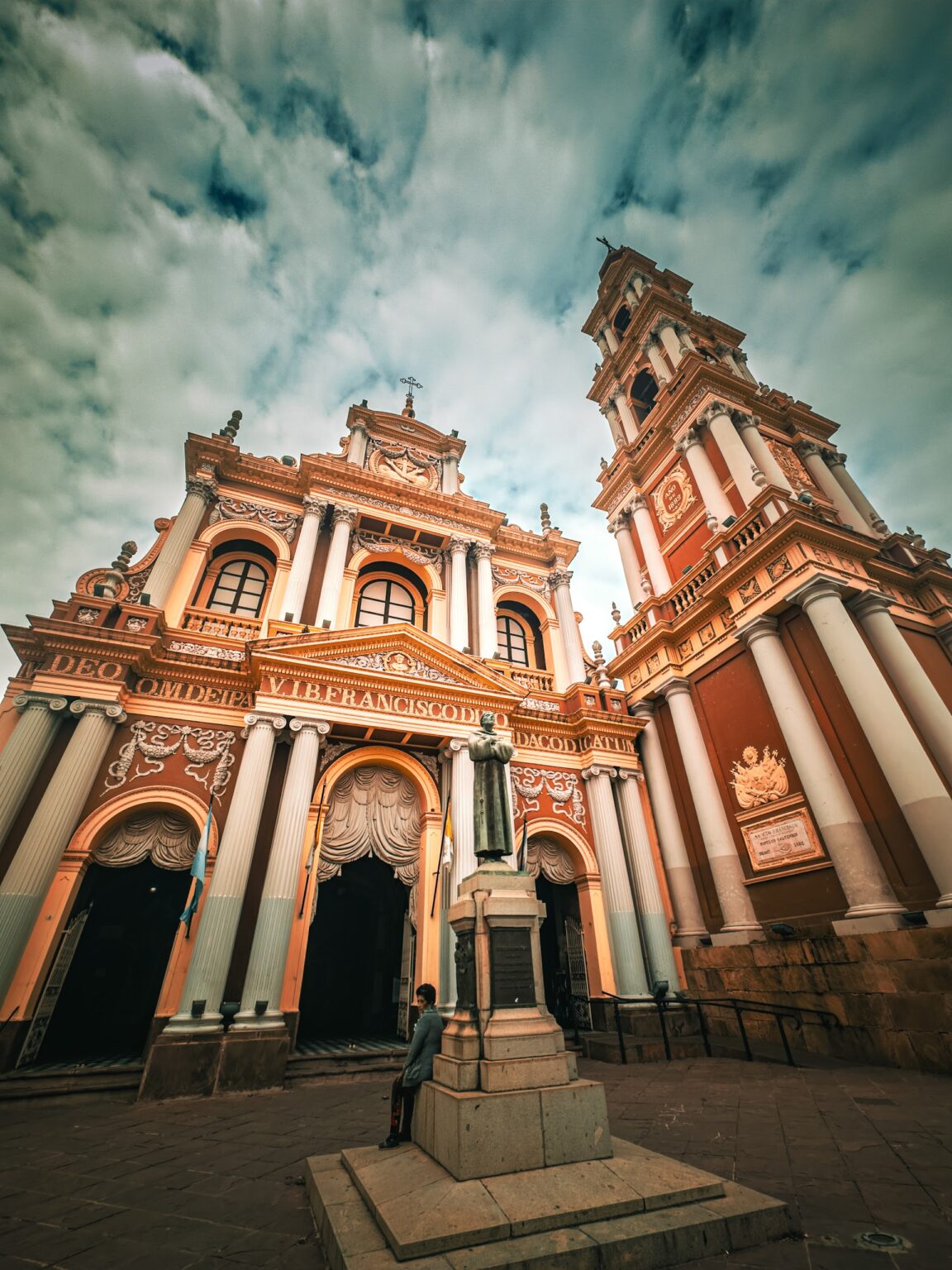
These trips are built in partnership with specialised local operations in the province of Corrientes.
Each of these fishing trips to Argentina is built to measure: the dorado rivers of the north (Corrientes, Salta) pair very well with a trout stay in Patagonia for those who want to see both faces of the country.
I stay with the anglers from the first day to the last, and on site the guides of the local operations know these waters better than anyone.
If the idea of a fish that makes you doubt your own tackle speaks to you, write to me. The golden dorado trip page has the full picture.
Fly fishing Patagonia: a northern Neuquén nobody fishes
There are days on these rivers of northern Neuquén when we meet nobody at all between sunrise and sunset, apart from our own small team. Not one other angler, not another vehicle on the track. The region has none of the fame of the south and its plush lodges, the ones the magazines have been showing for twenty years. And that is exactly why the wild browns and rainbows still rise with that almost naive confidence, the confidence of fish that have never seen a badly presented fly.
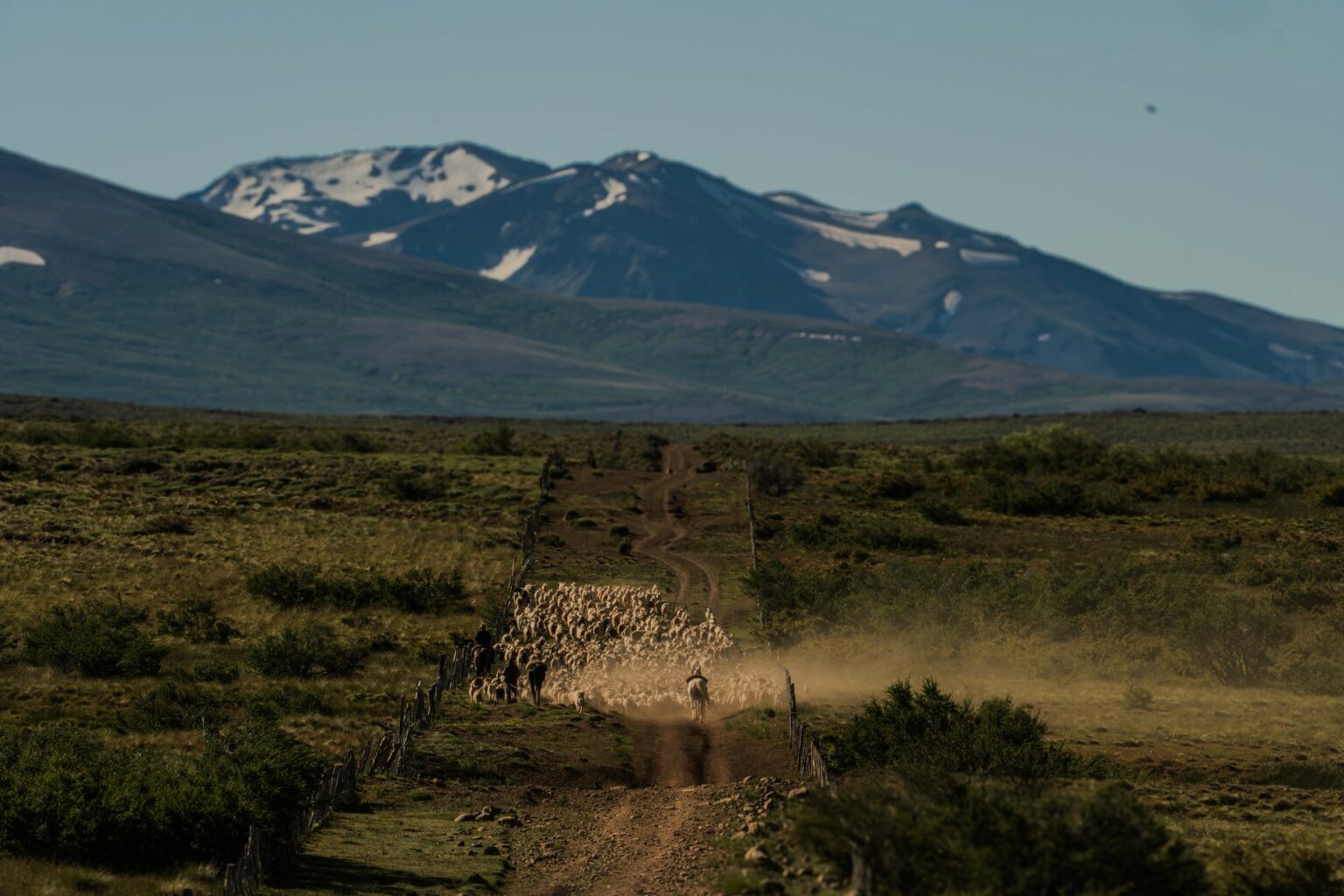
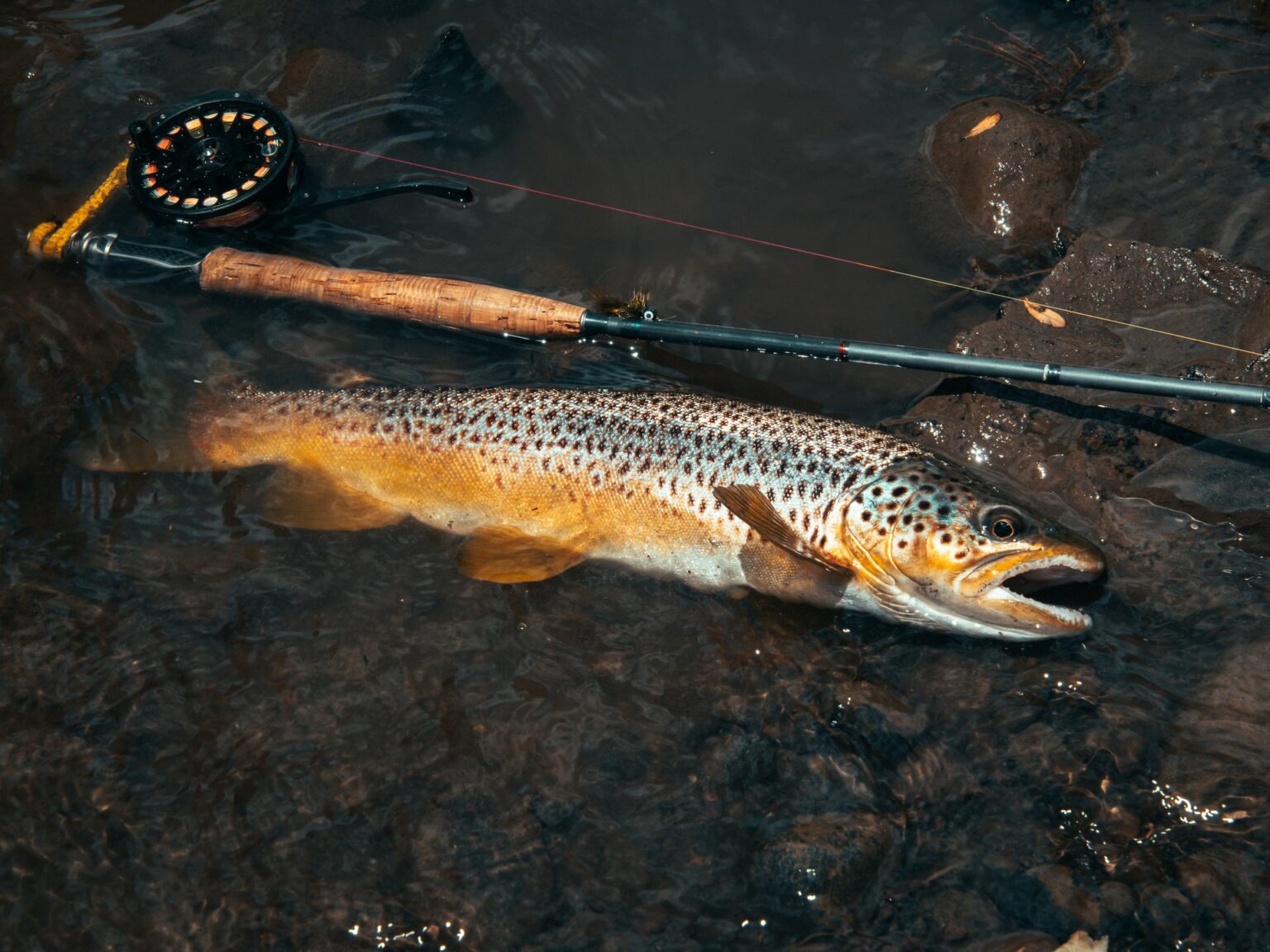
That day we had walked a long way beside a river pinched between two extinct volcanoes, the water low, clear, almost still in places. I dropped a dry against a bank the current had chewed away, without much conviction: the kind of cast you make out of habit rather than calculation. The fish came up at once, clean, no hesitation. A brown trout of a size you rarely meet in France, holding there for years probably, protected by fishing pressure that remains close to zero.
She went back in a few seconds. A fish is a moment, not a number…
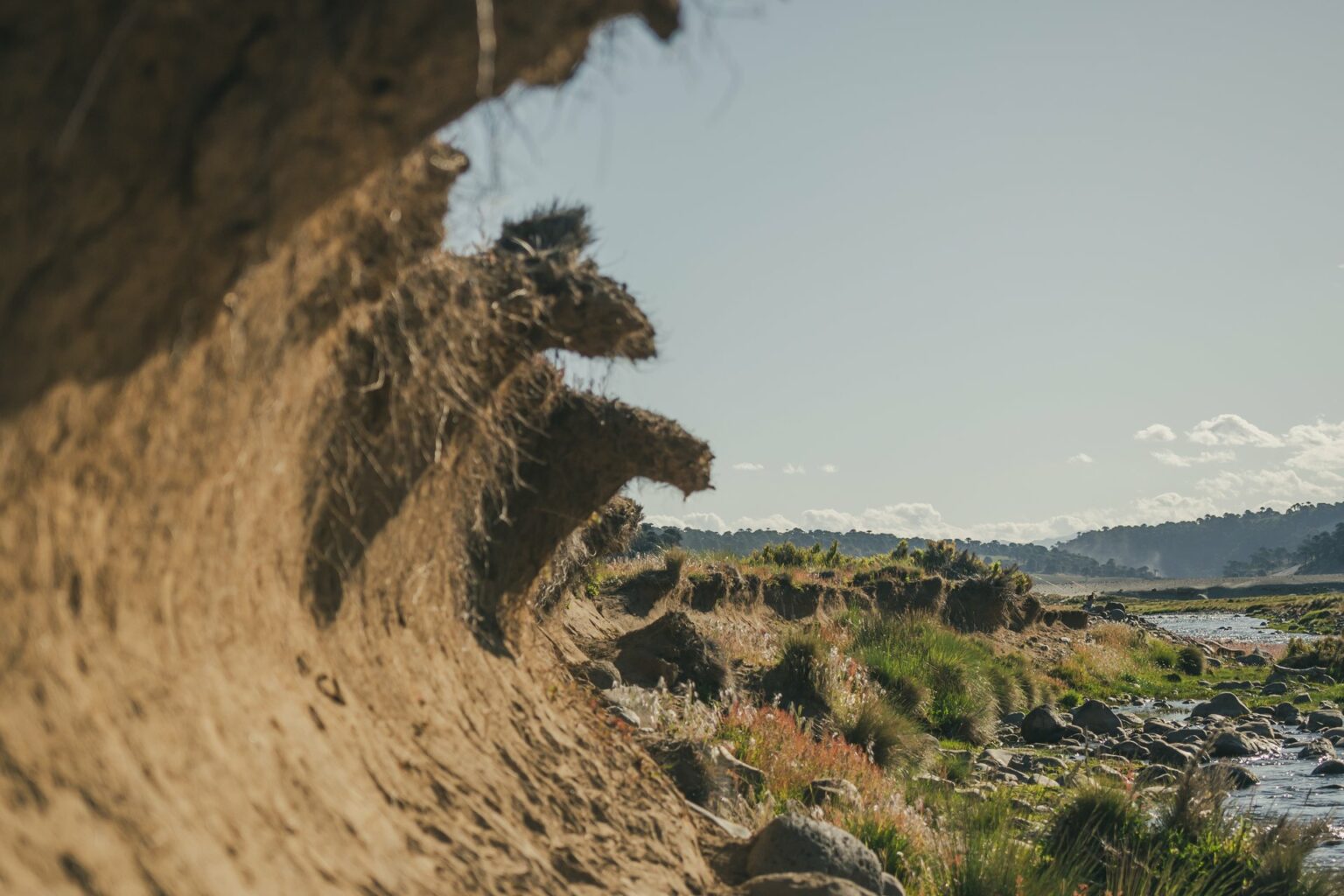
What stays from days like these is not so much the fish as the silence around it. The steppe changing colour with the hour, the peaks of the Andes that seem never to move while the light never stops moving. A kind of solitude you rarely find now on the rivers of France, unless you rise very early and walk very far.
Why the region stays quiet
The north of Neuquén province holds more than 400 kilometres of rivers, and almost nobody fishes them. No famous lodge, no international airport an hour away, no photos in the magazines. The anglers who cross the planet for Argentine Patagonia land further south, where everything has been organised for decades. So much the better. Here the pressure stays so light that the trout, browns and rainbows alike, still behave like fish that have learned very little. It was Patagonia Trashumante, my local partner, who opened these valleys to me years ago. Together we now design roaming fishing trips for small groups, and part of me keeps hoping the whole thing never changes scale.
The practical side
The fishing season in Argentine Patagonia runs from November to the end of April. Northern Neuquén fishes mostly dry fly and nymph through the heart of the season, with a switch to streamers when the levels come up. The rivers stay within reach of an intermediate angler, provided you are patient with the water and willing to walk.
Groups stay deliberately small, three to six rods. I design the trip and travel with you from the first day to the last, and the guiding on the water is handled by a licensed local team. The prime window runs from December to late March, and versatile anglers find fine days across the rest of the season. For lovers of very big fish, this trip also pairs well with a stay at Jurassic Lake, further south.
More stories are on the way. Meanwhile, the Patagonia page explains how these trips come together, with Patagonia Trashumante on the ground.