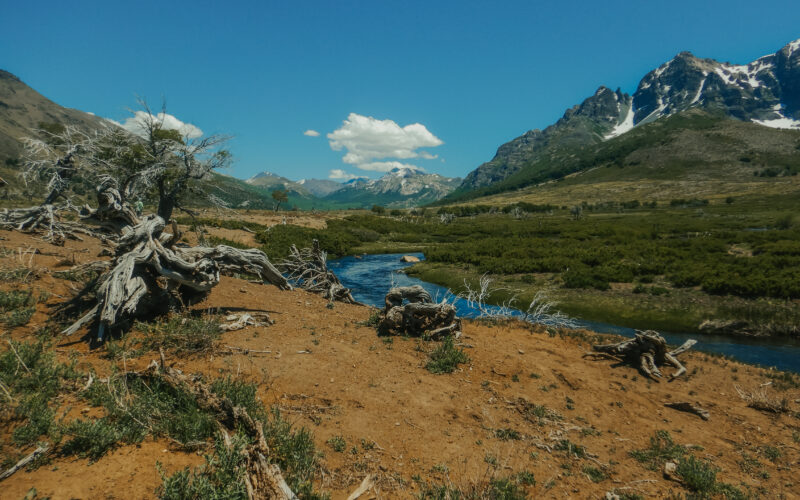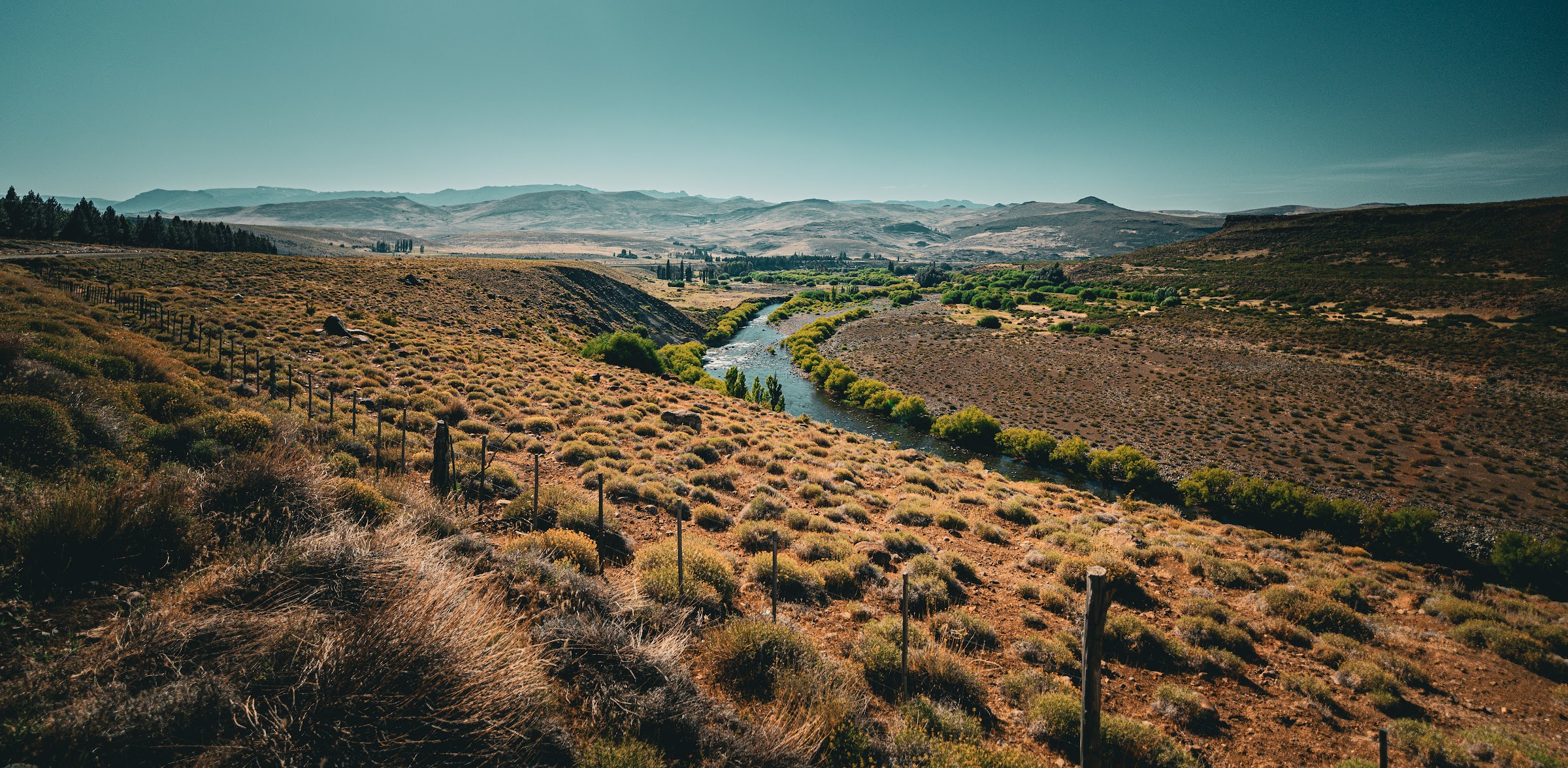
There are days on these rivers of northern Neuquén when we meet nobody at all between sunrise and sunset, apart from our own small team. Not one other angler, not another vehicle on the track. The region has none of the fame of the south and its plush lodges, the ones the magazines have been showing for twenty years. And that is exactly why the wild browns and rainbows still rise with that almost naive confidence, the confidence of fish that have never seen a badly presented fly.
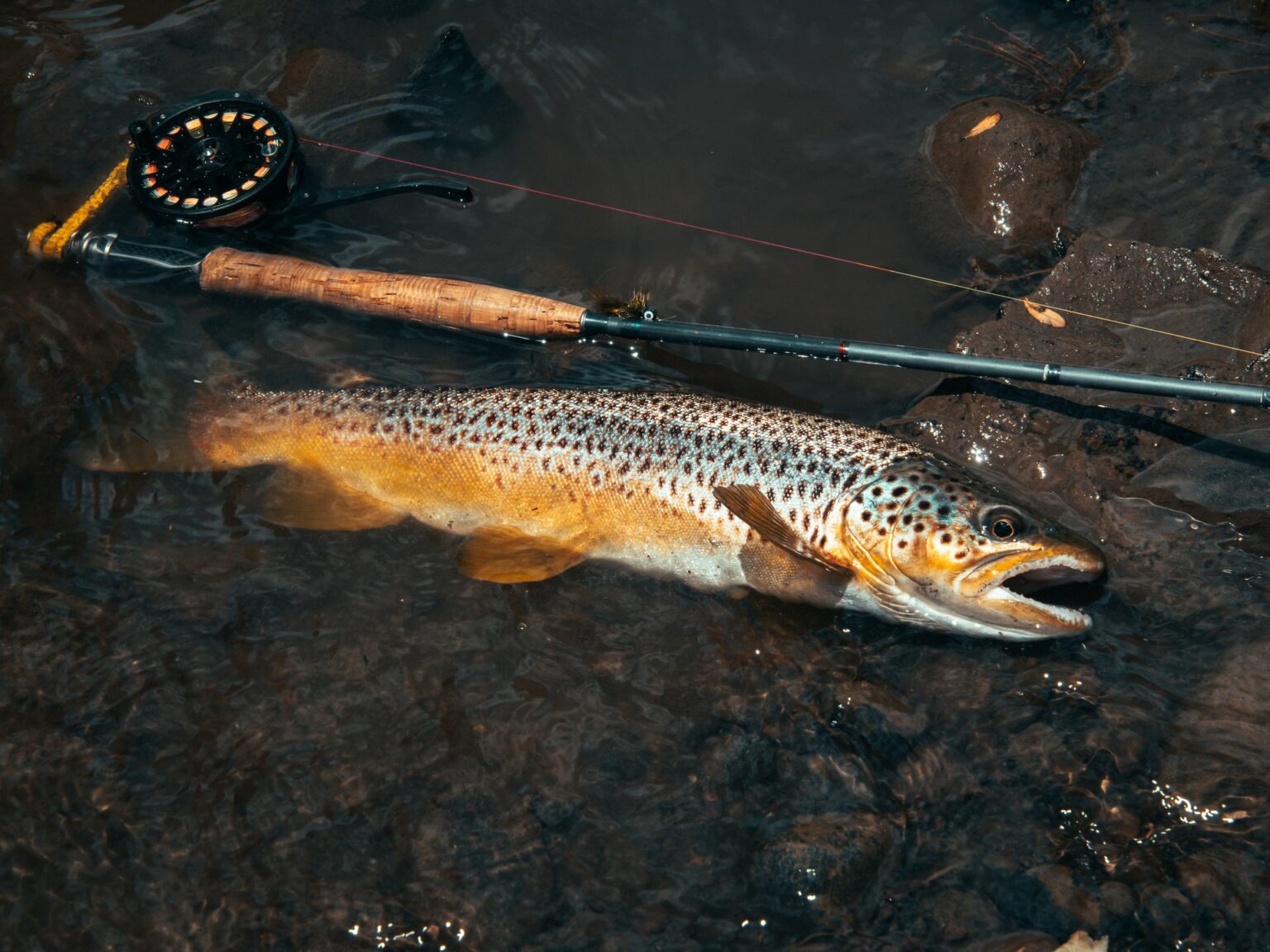
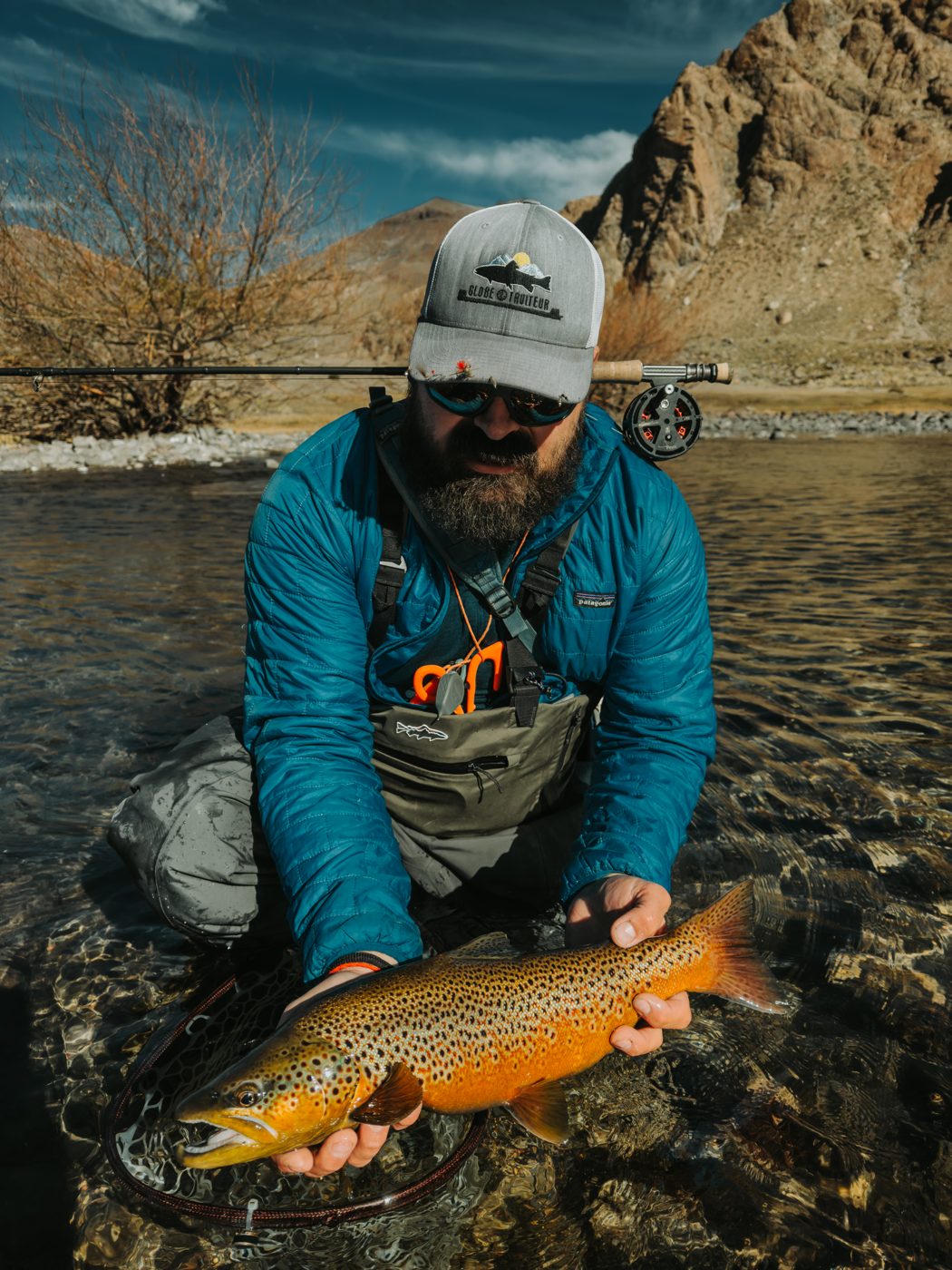
That day we had walked a long way beside a river pinched between two extinct volcanoes, the water low, clear, almost still in places. I dropped a dry against a bank the current had chewed away, without much conviction: the kind of cast you make out of habit rather than calculation. The fish came up at once, clean, no hesitation. A brown trout of a size you rarely meet in France, holding there for years probably, protected by fishing pressure that remains close to zero.
She went back in a few seconds. A fish is a moment, not a number…
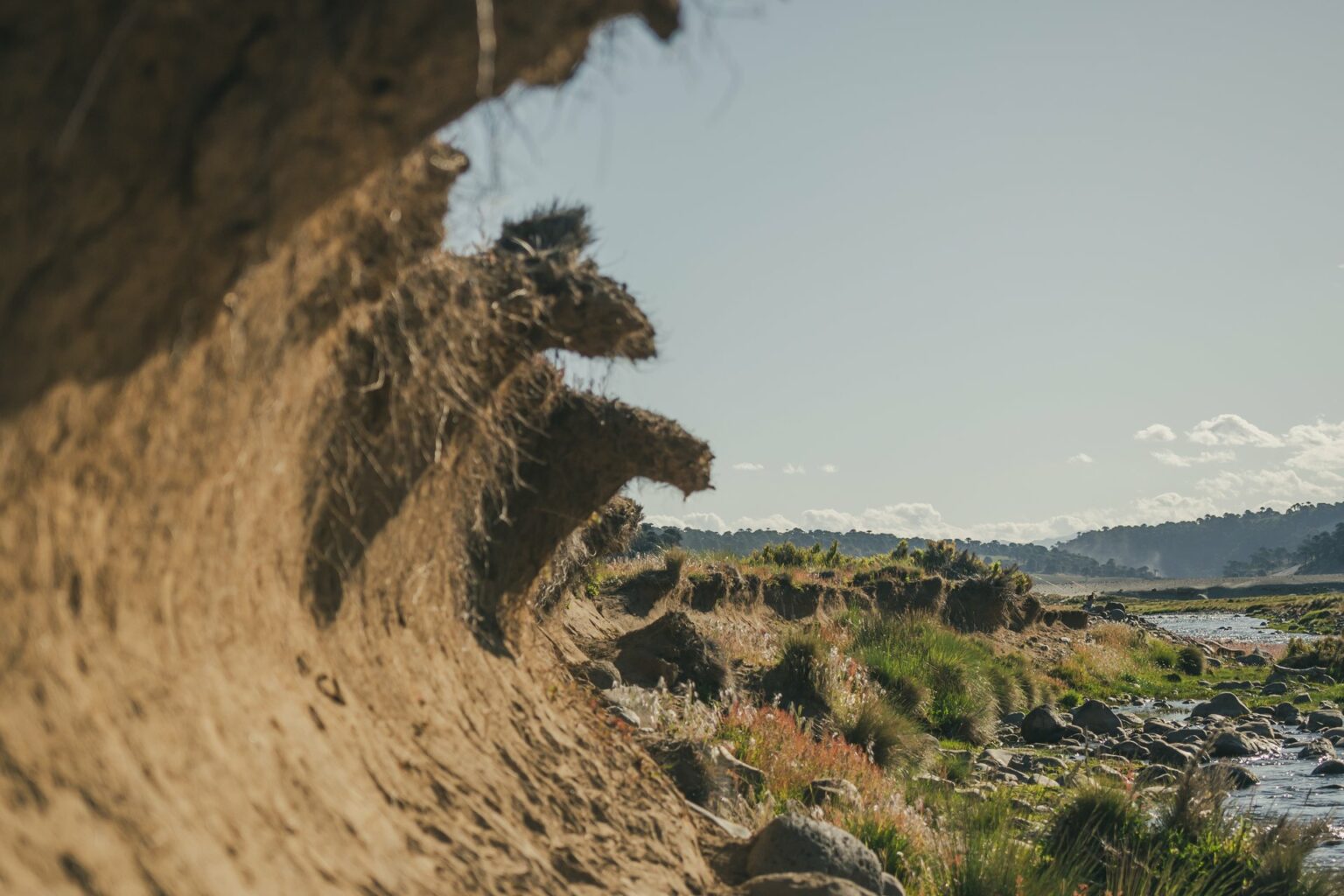
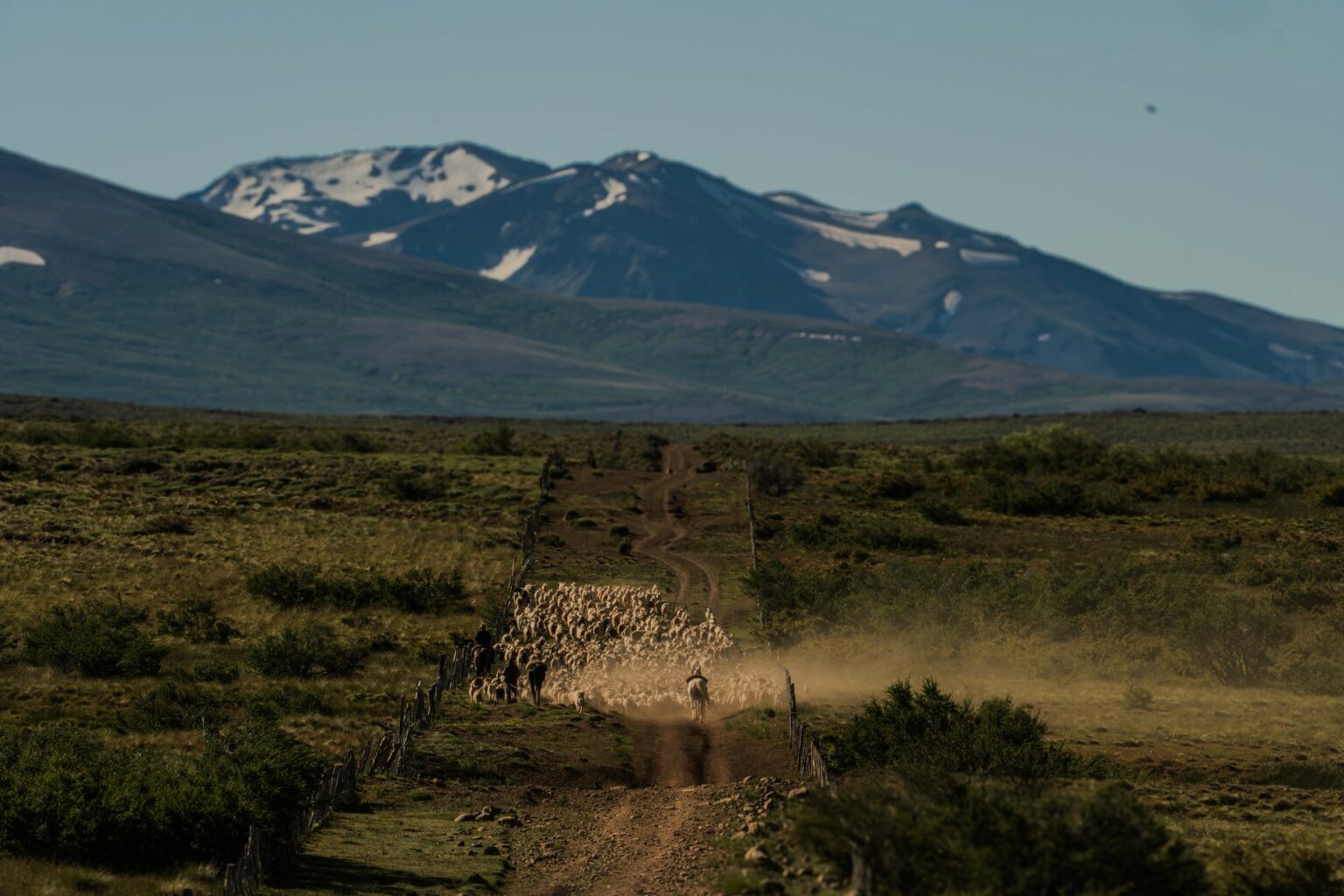
What stays from days like these is not so much the fish as the silence around it. The steppe changing colour with the hour, the peaks of the Andes that seem never to move while the light never stops moving. A kind of solitude you rarely find now on the rivers of France, unless you rise very early and walk very far.
Why the region stays quiet
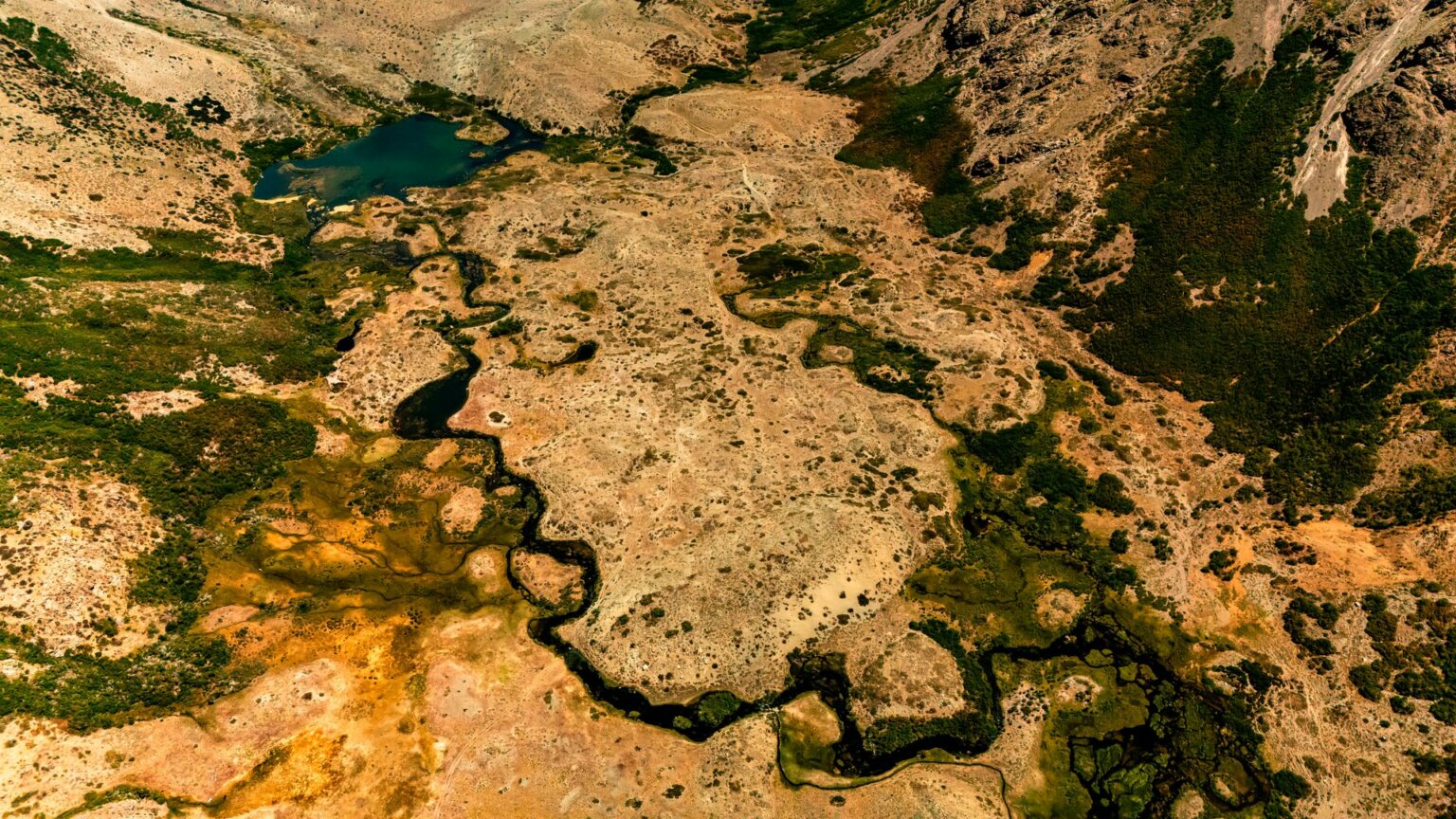
The north of Neuquén province holds more than 400 kilometres of rivers, and almost nobody fishes them. No famous lodge, no international airport an hour away, no photos in the magazines. The anglers who cross the planet for Argentine Patagonia land further south, where everything has been organised for decades. So much the better. Here the pressure stays so light that the trout, browns and rainbows alike, still behave like fish that have learned very little. It was Patagonia Trashumante, my local partner, who opened these valleys to me years ago. Together we now design roaming fishing trips for small groups, and part of me keeps hoping the whole thing never changes scale.
The practical side
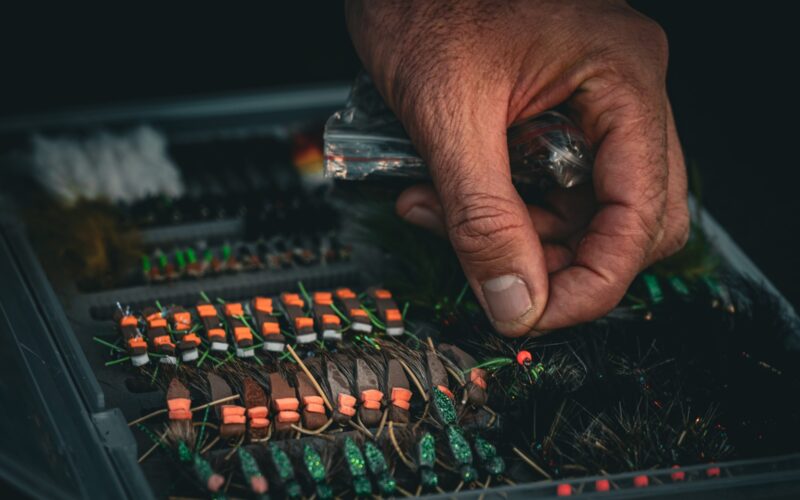
The fishing season in Argentine Patagonia runs from November to the end of April. Northern Neuquén fishes mostly dry fly and nymph through the heart of the season, with a switch to streamers when the levels come up. The rivers stay within reach of an intermediate angler, provided you are patient with the water and willing to walk.
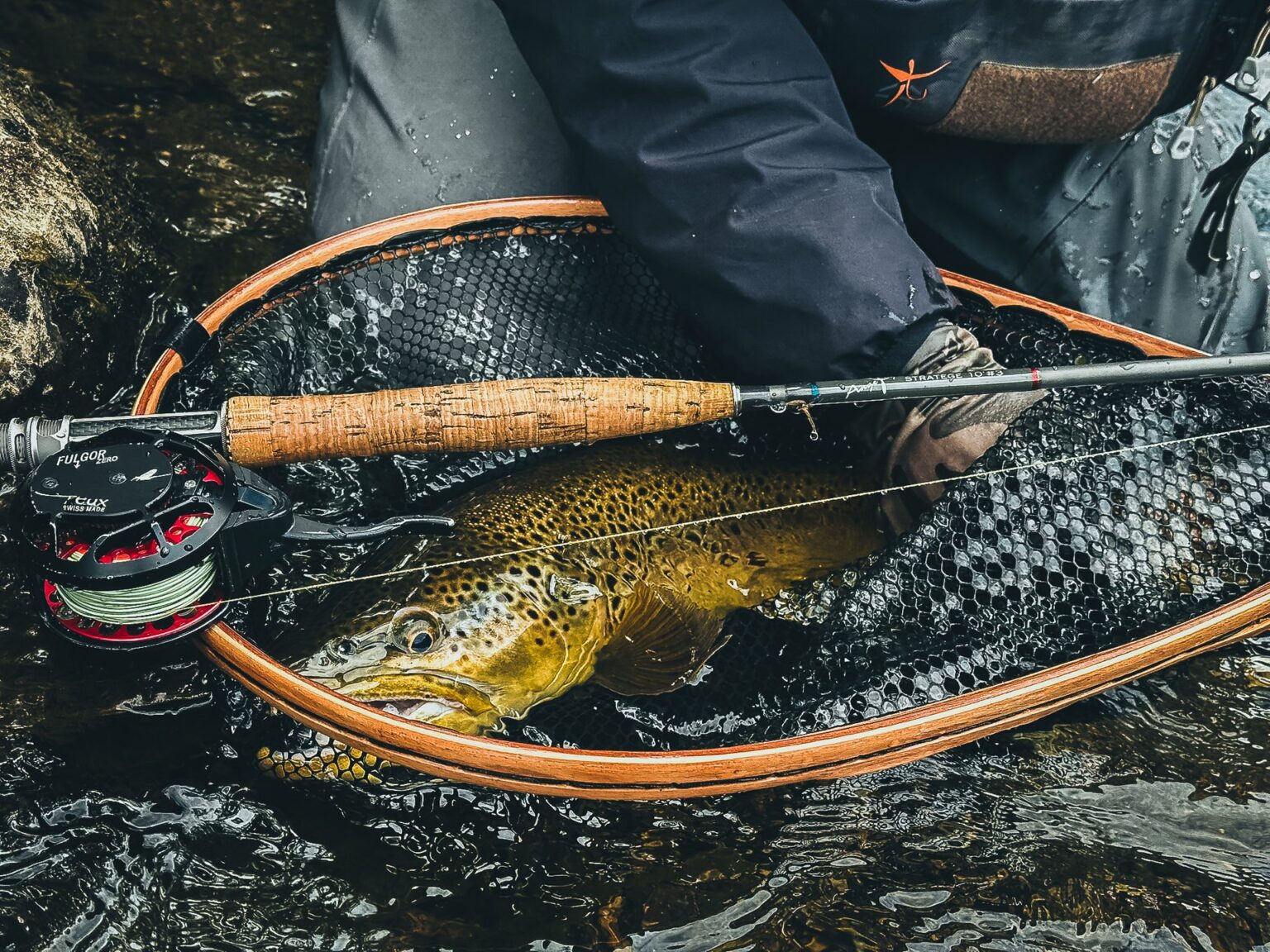
Groups stay deliberately small, three to six rods. I design the trip and travel with you from the first day to the last, and the guiding on the water is handled by a licensed local team. The prime window runs from December to late March, and versatile anglers find fine days across the rest of the season. For lovers of very big fish, this trip also pairs well with a stay at Jurassic Lake, further south.
More stories are on the way. Meanwhile, the Patagonia page explains how these trips come together, with Patagonia Trashumante on the ground.
Baptiste Conquet
State-certified fly fishing guide and instructor. I guide in Aveyron and Lozère, and design fishing trips to Argentine Patagonia, Jurassic Lake and the golden dorado waters.
Plan a trip with me →