The water had turned since morning, brown, heavy, the kind that makes even guides who have known the river for twenty years start doubting. Kévin and Félix had come for dorado, not to watch the level climb. We changed plans three times before noon.
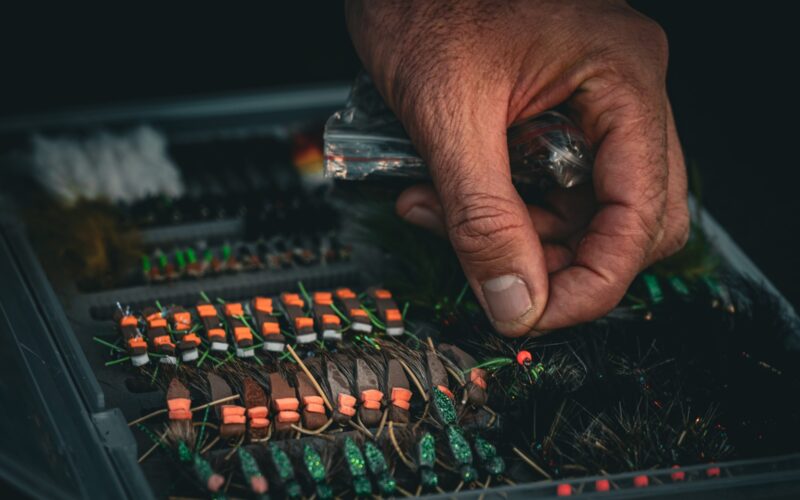
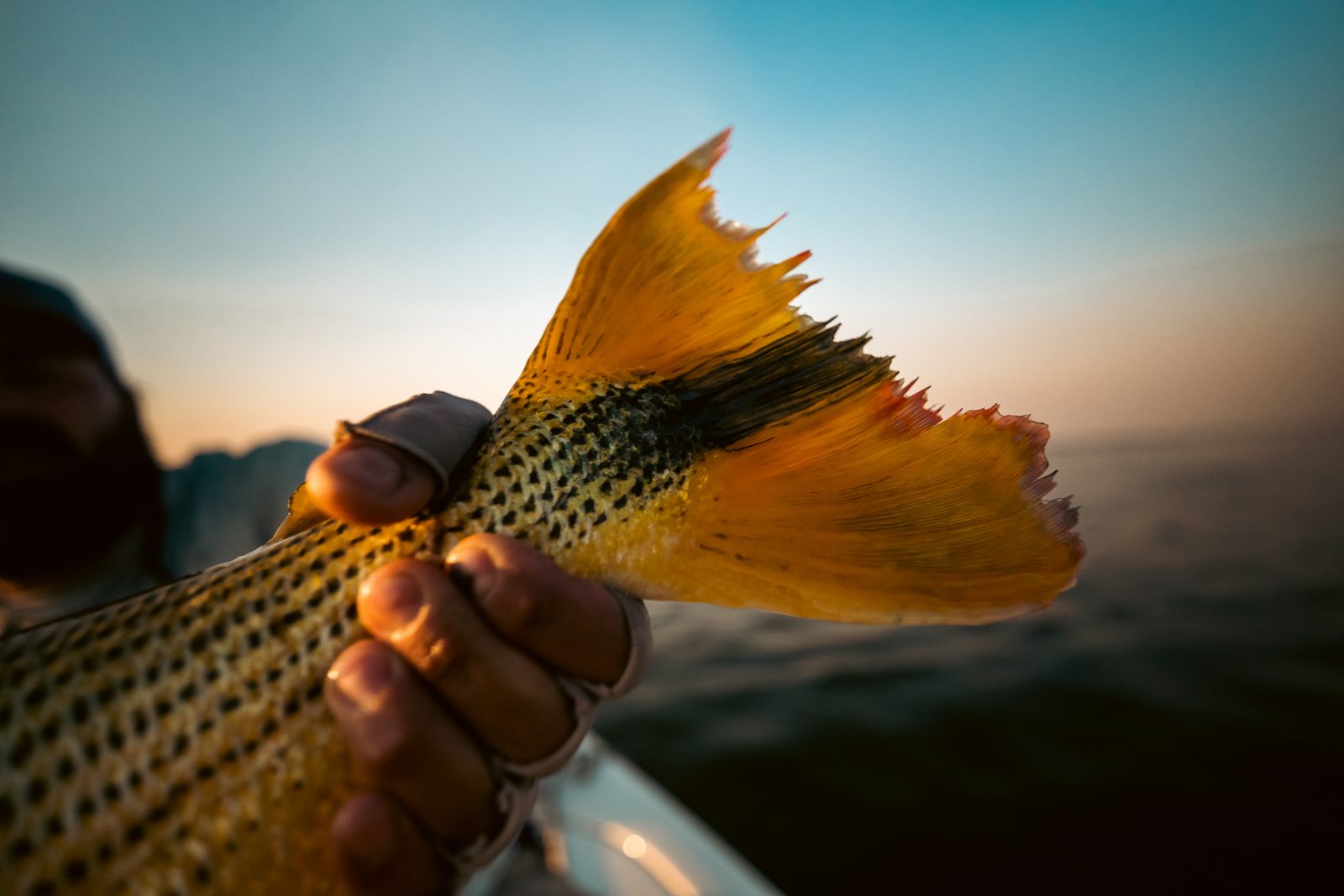
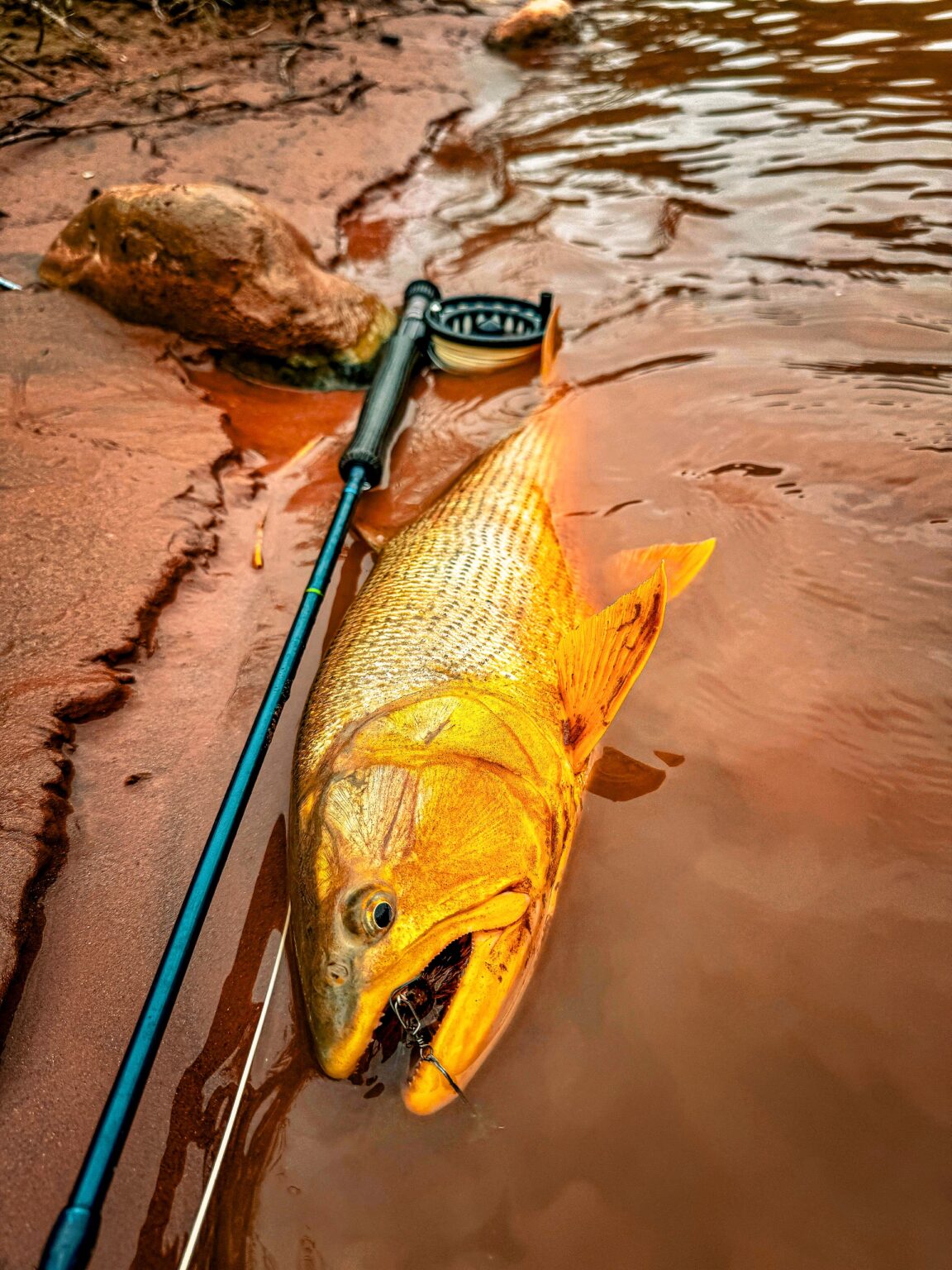
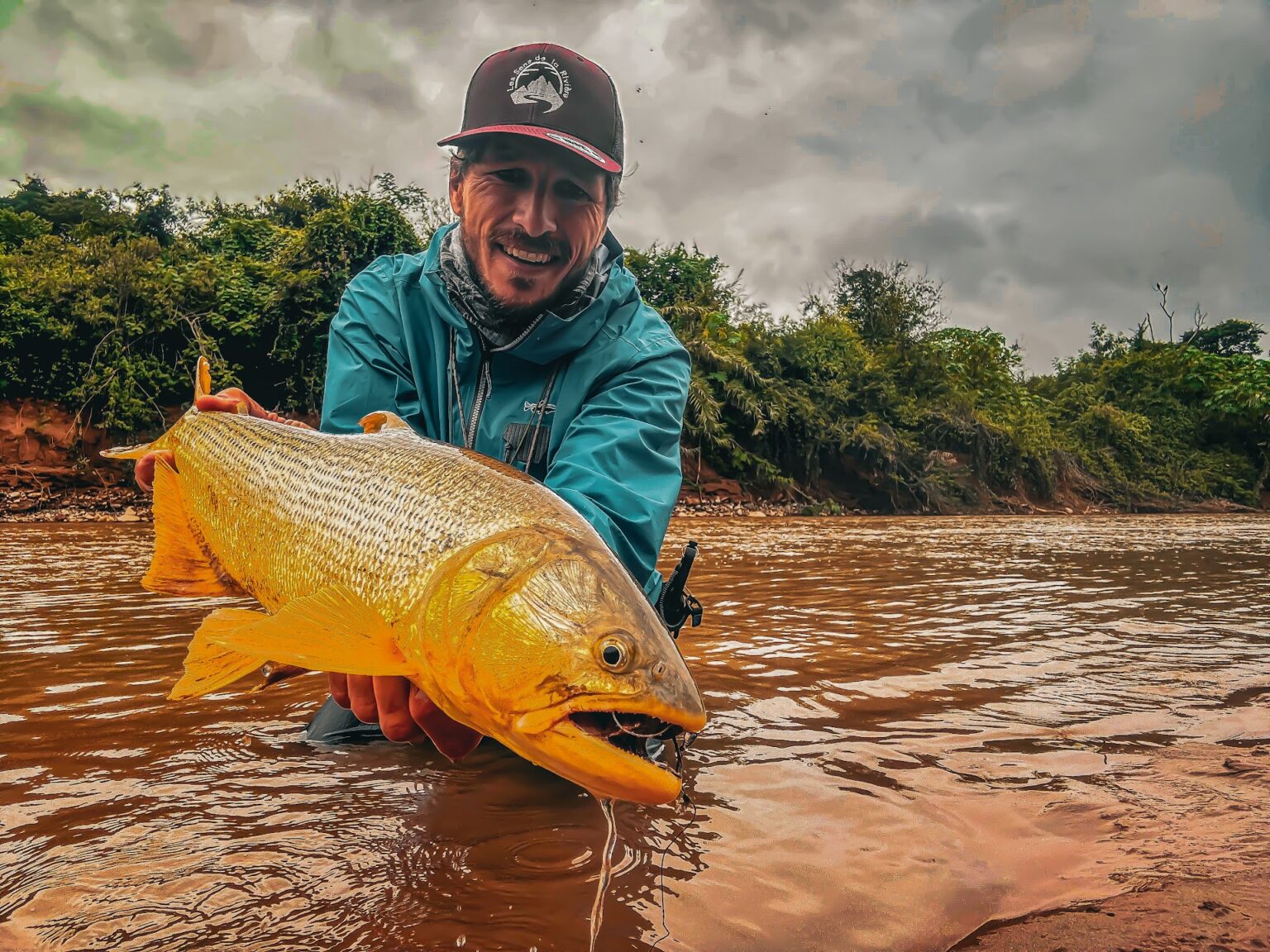
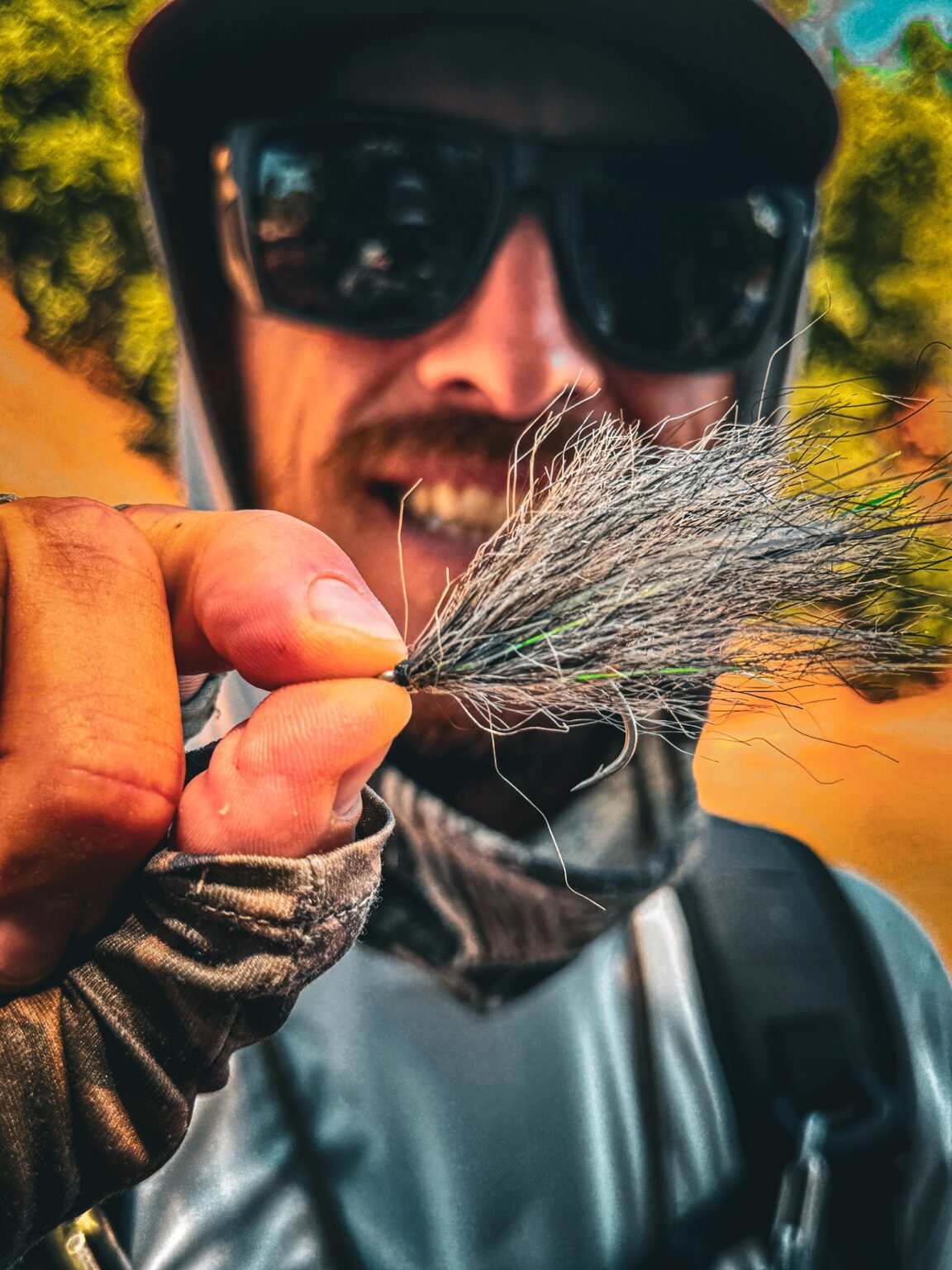
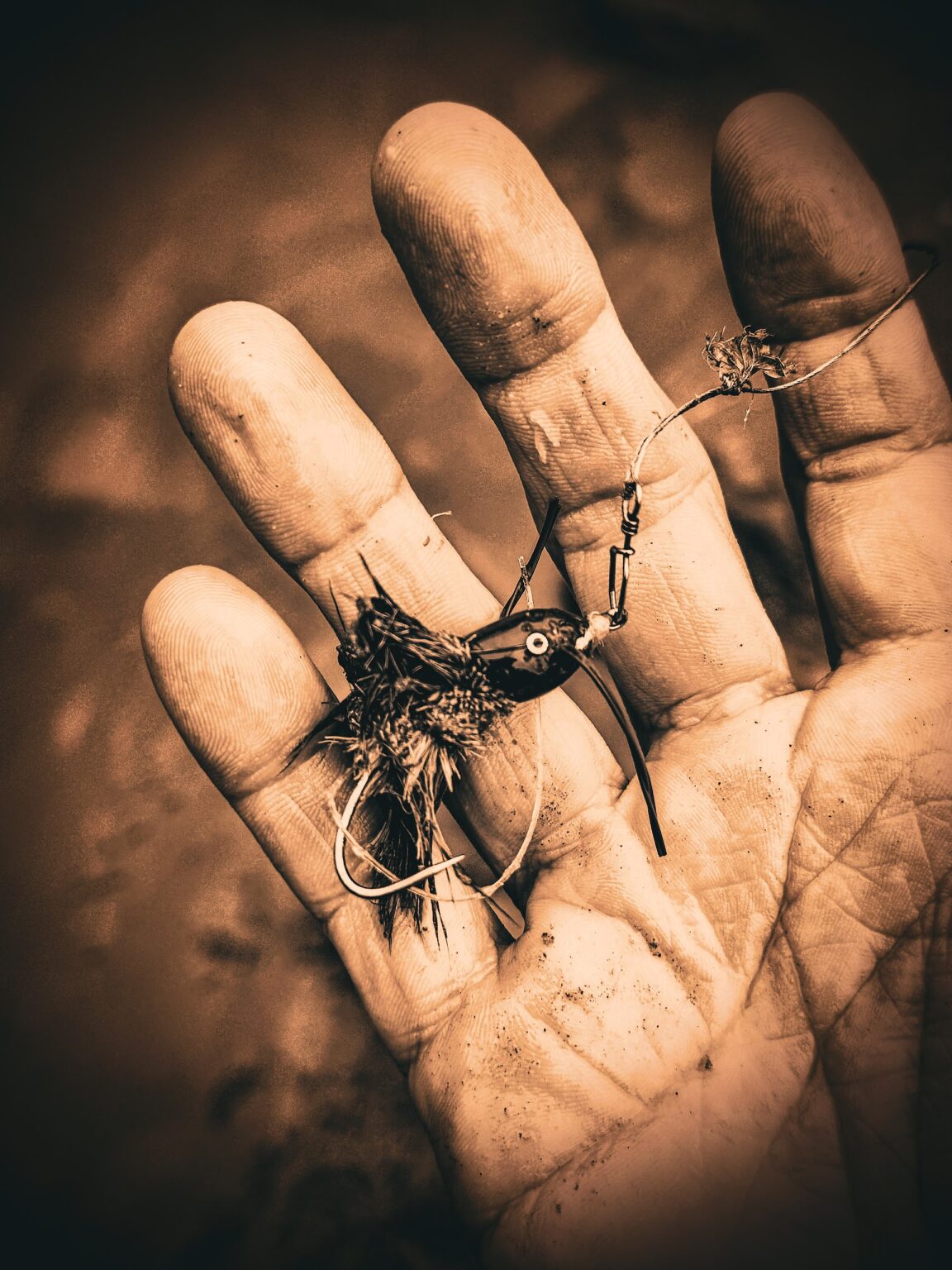
The dorado, Salminus brasiliensis, has none of a trout’s discretion. This is a fish that charges, that snaps wire leaders as if they were sewing thread, that leaps clear of the water with its mouth wide open to throw the hook. And often succeeds. So you fish differently: bulky streamers, aggressive retrieves, and when the water really clouds up, you switch to mouse patterns swimming on the surface. A dorado hitting a mouse is a brutal thing to watch. Nothing else looks like it.
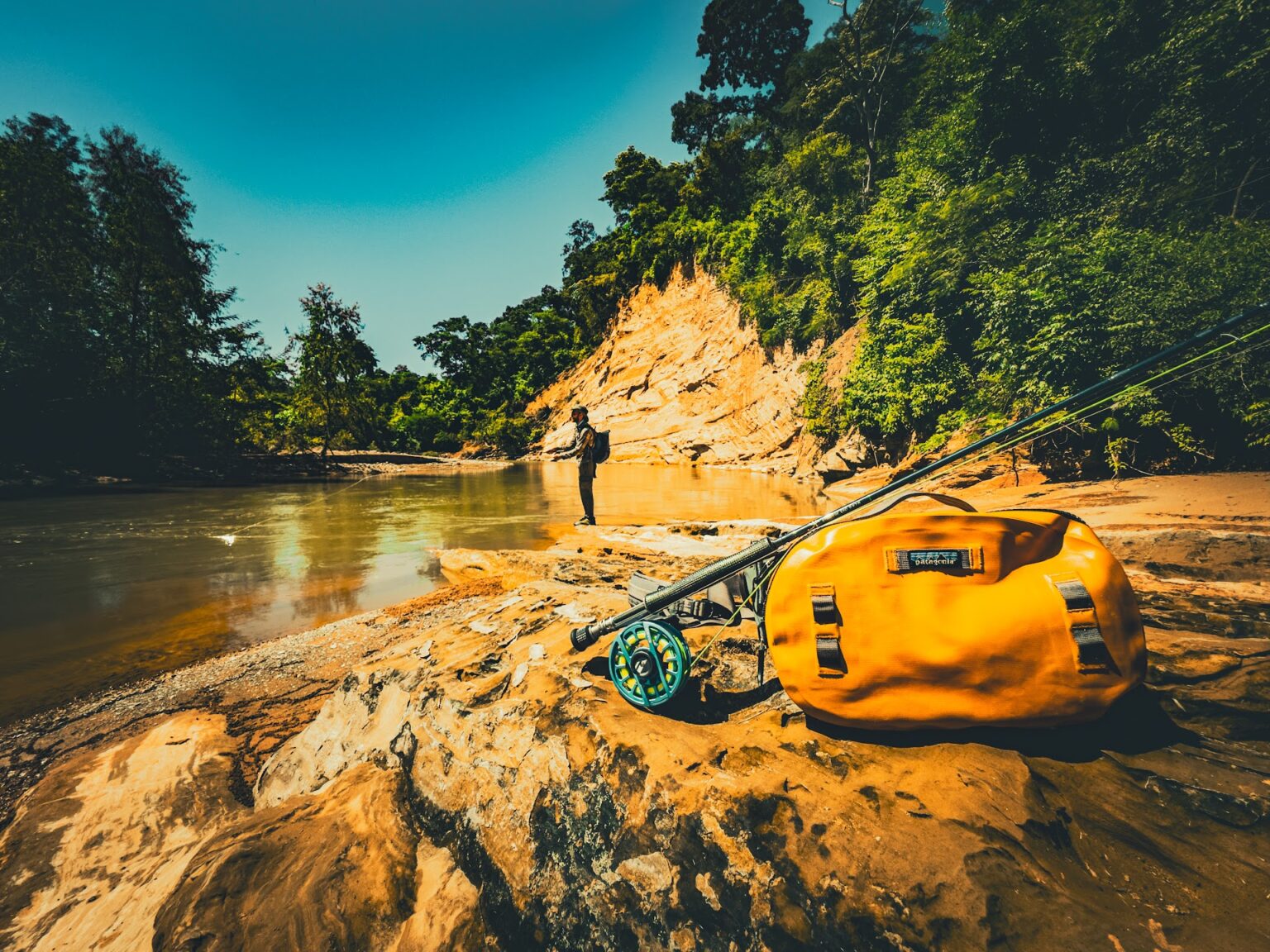
Late in the afternoon we finally found a clearer seam, against a bank where the current slowed. Félix had the first take: a ten-second exchange, line tearing off, then nothing. Opened hook. He looked at his rod, then at us, without a word. We laughed anyway, because there was nothing else to do.
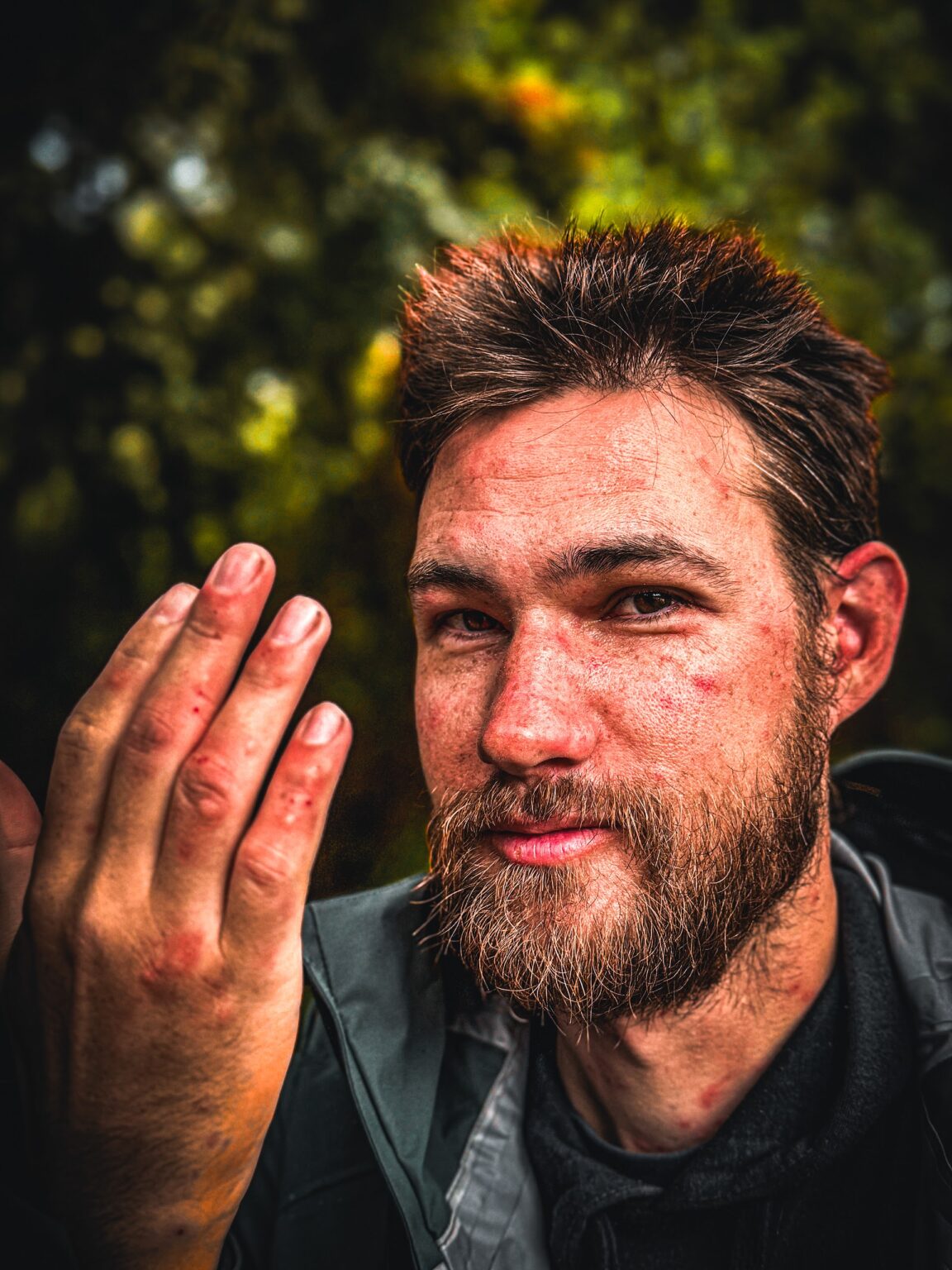

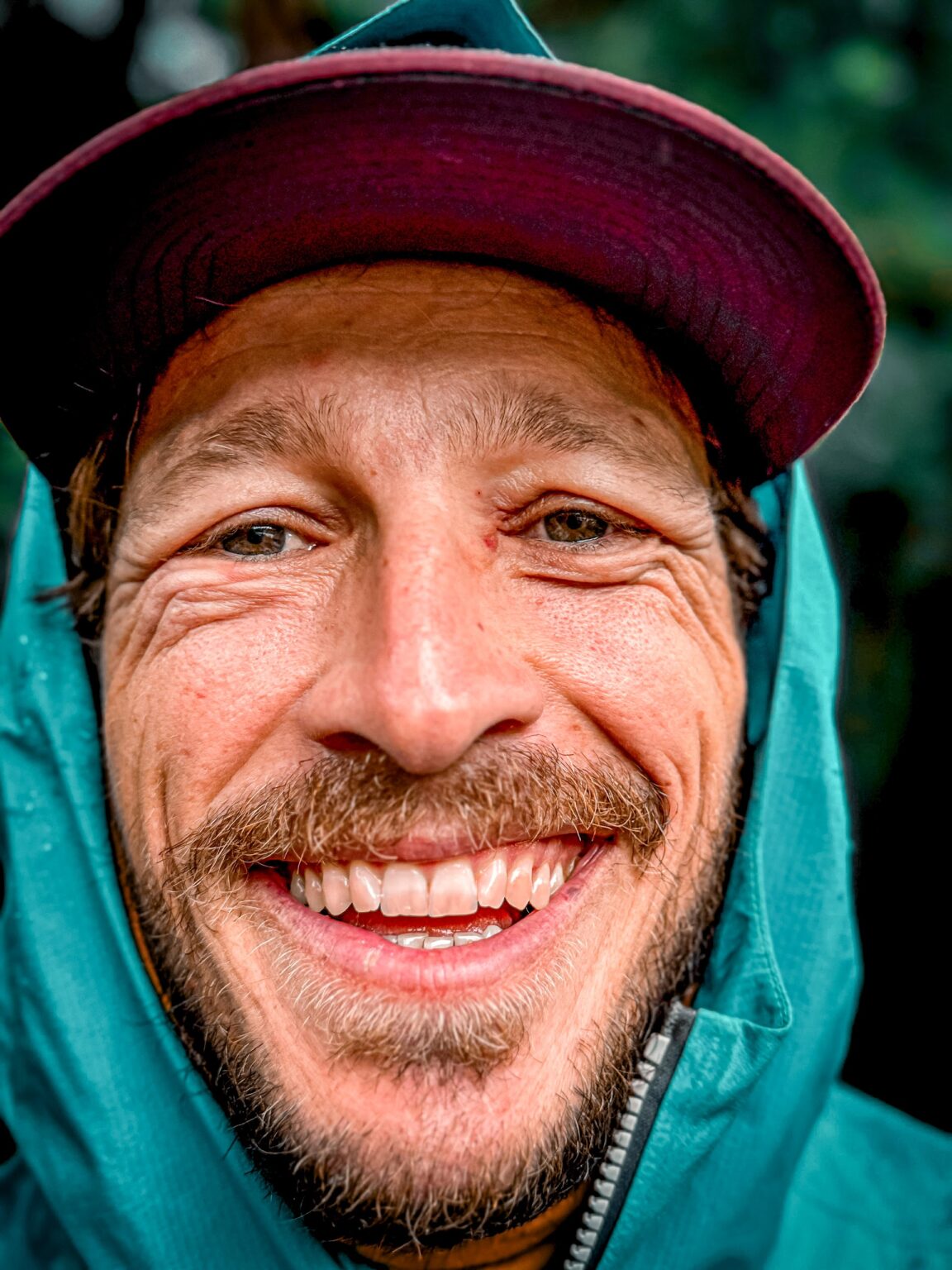
Kévin brought one to hand later, not huge, but enough to understand why this fish has the reputation it has. We watched it swim off and climbed back into the truck in silence, with that satisfied tiredness you only find on certain days.

Who is fly fishing for dorado for?
Fly fishing for golden dorado is not a game of precision, it is a game of commitment. You cast 8 or 9 weight lines and streamers that weigh their share, and you strip fast, sometimes violently, for hours if that is what it takes. A fly fisher used to trout finds the rhythm within a day: the movement is the same, the intention changes. You have to accept losing flies, missing fish, and starting again.
The people who come back from northern Argentina almost never talk about how many they landed. They talk about the first strike they saw, and what it did to them.
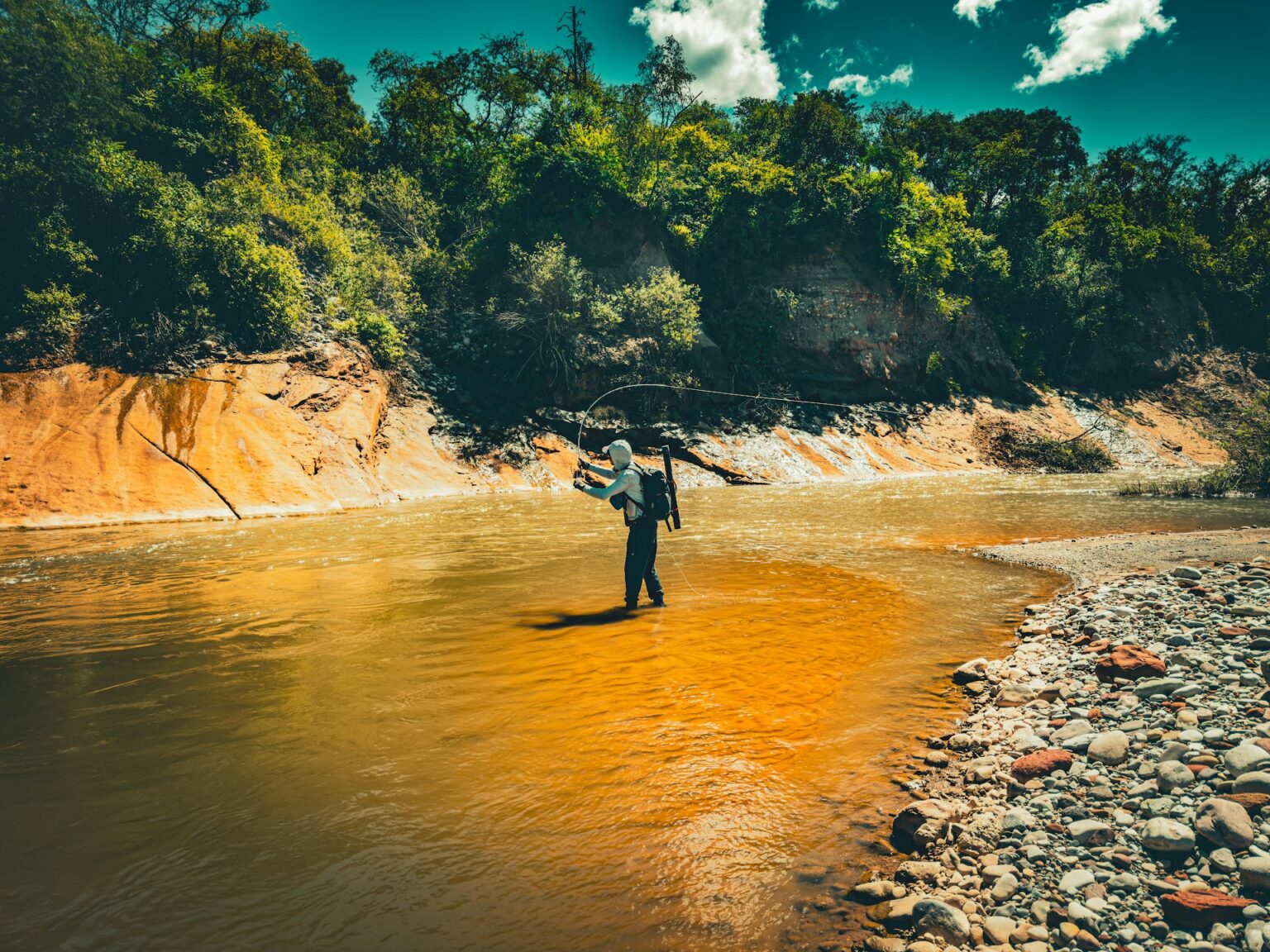
What to know if you want to try the dorado
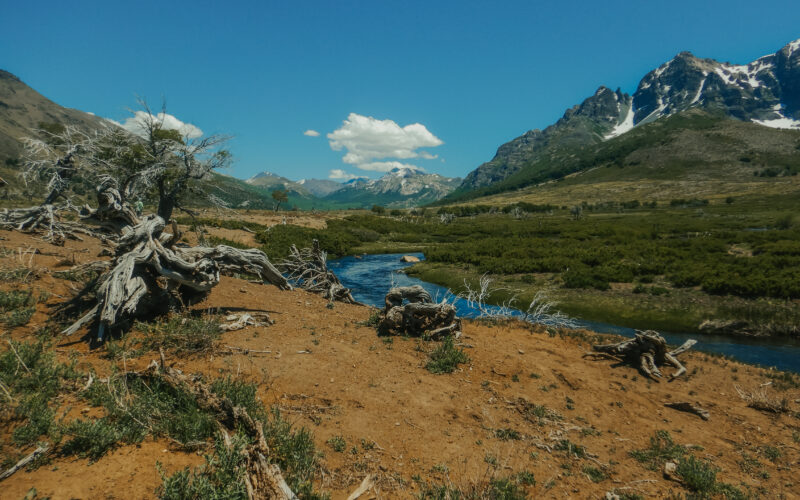
The season generally sits between the austral spring and autumn, depending on water levels: it gets decided case by case, because the rivers of northern Argentina do not behave like the ones in Patagonia.
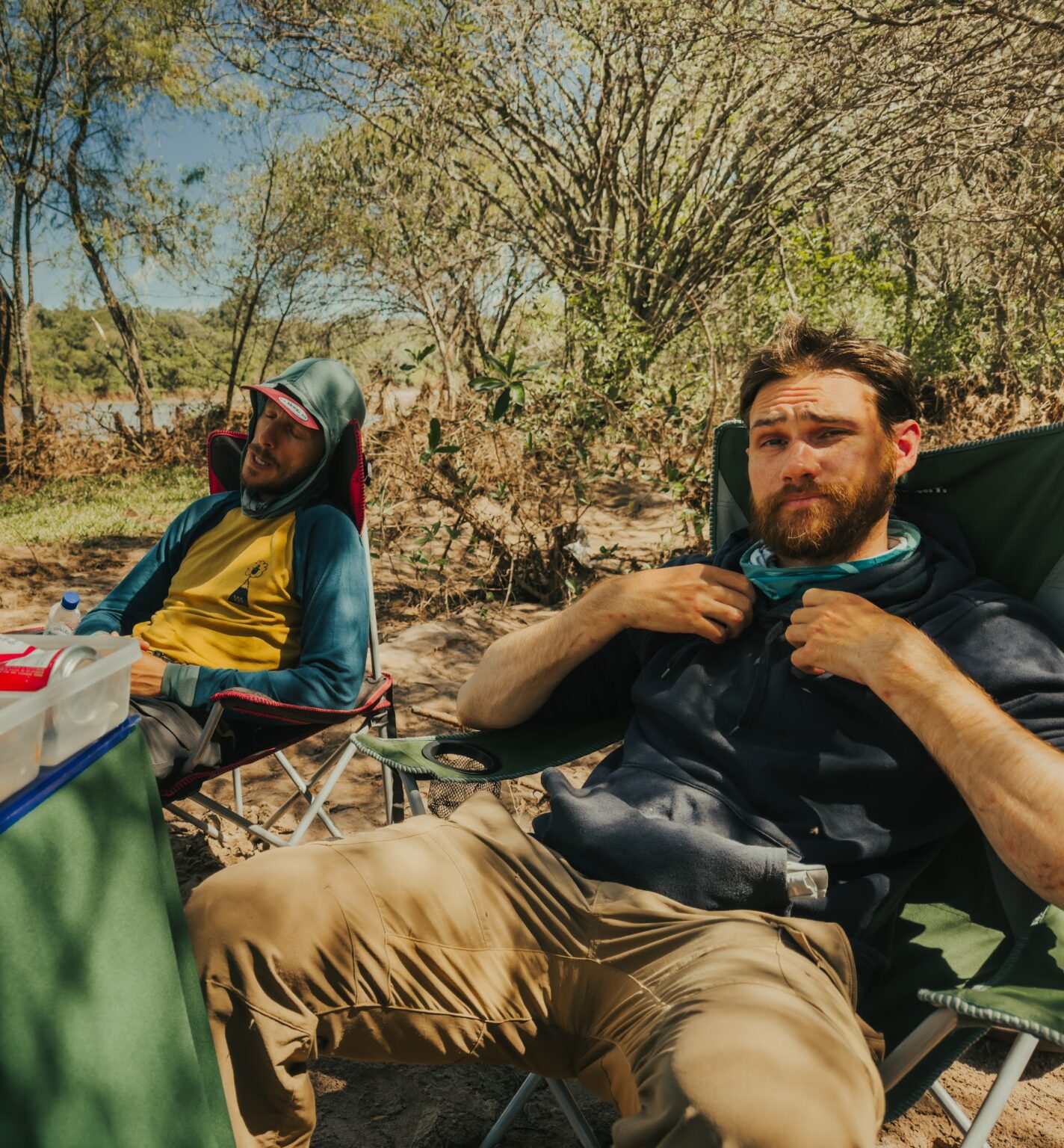
The gear differs too: heavier rods, wire leaders without exception, and a good reserve of flies, because you lose plenty.
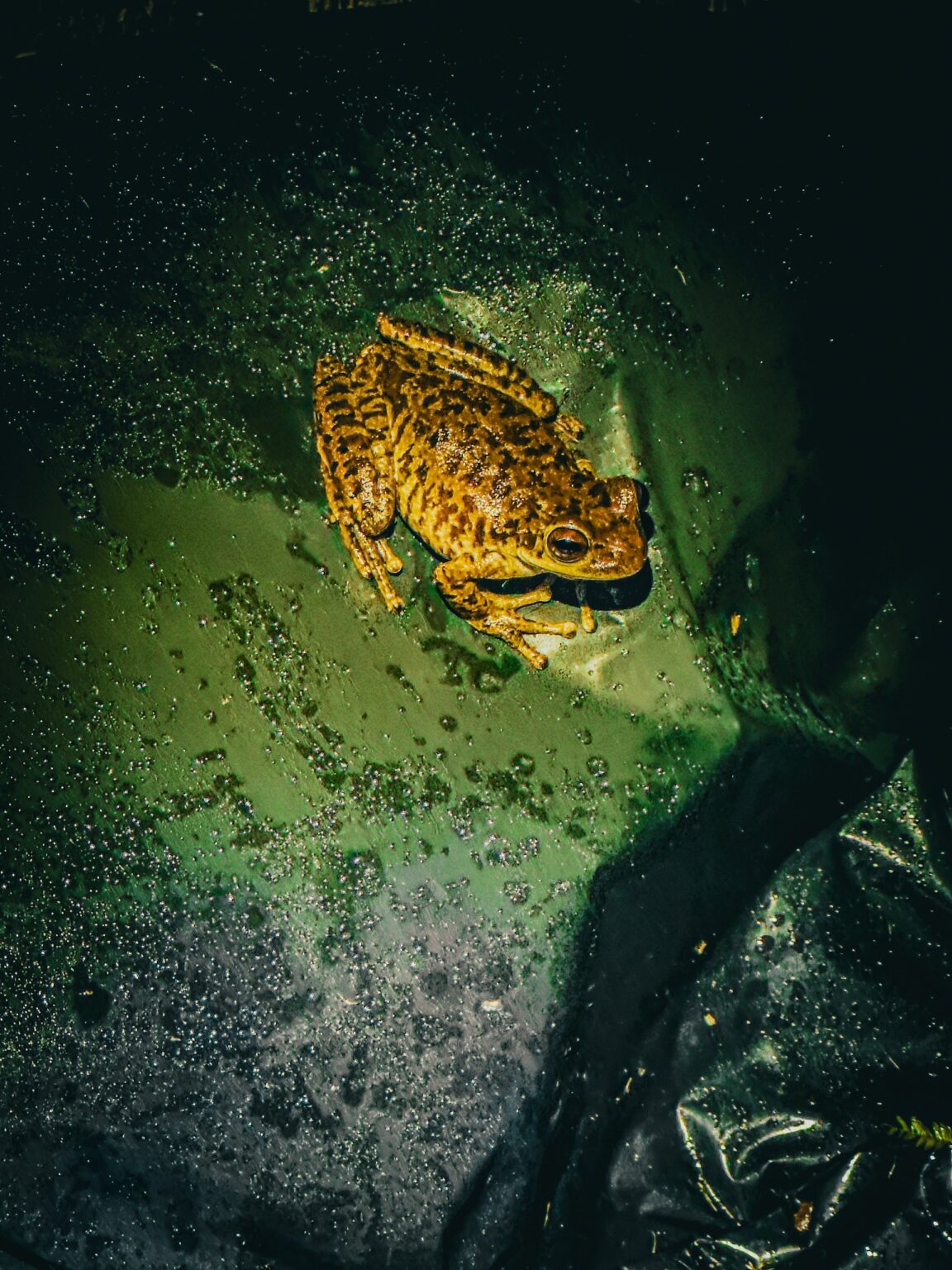
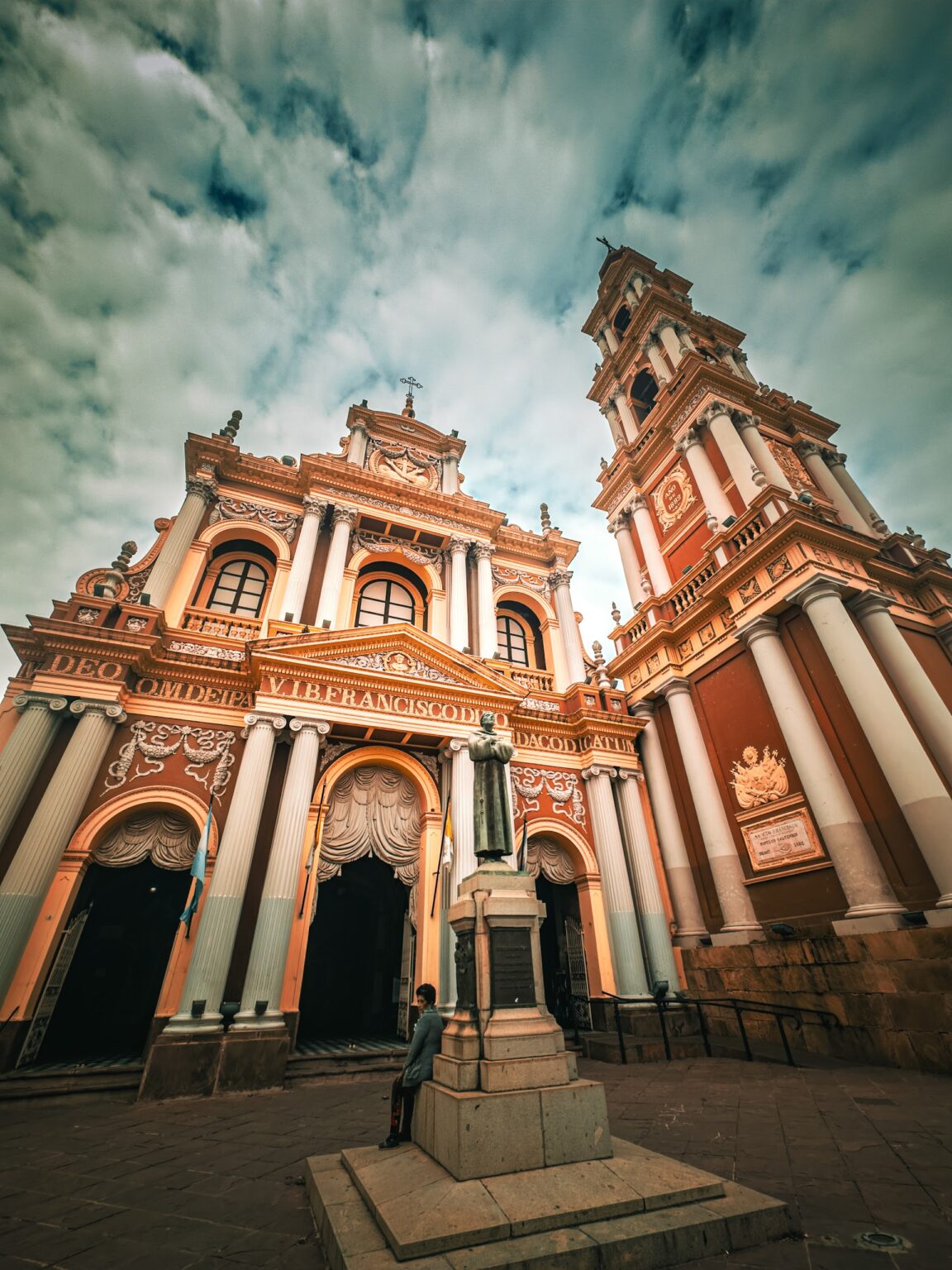
These trips are built in partnership with specialised local operations in the province of Corrientes.
Each of these fishing trips to Argentina is built to measure: the dorado rivers of the north (Corrientes, Salta) pair very well with a trout stay in Patagonia for those who want to see both faces of the country.
I stay with the anglers from the first day to the last, and on site the guides of the local operations know these waters better than anyone.
If the idea of a fish that makes you doubt your own tackle speaks to you, write to me. The golden dorado trip page has the full picture.
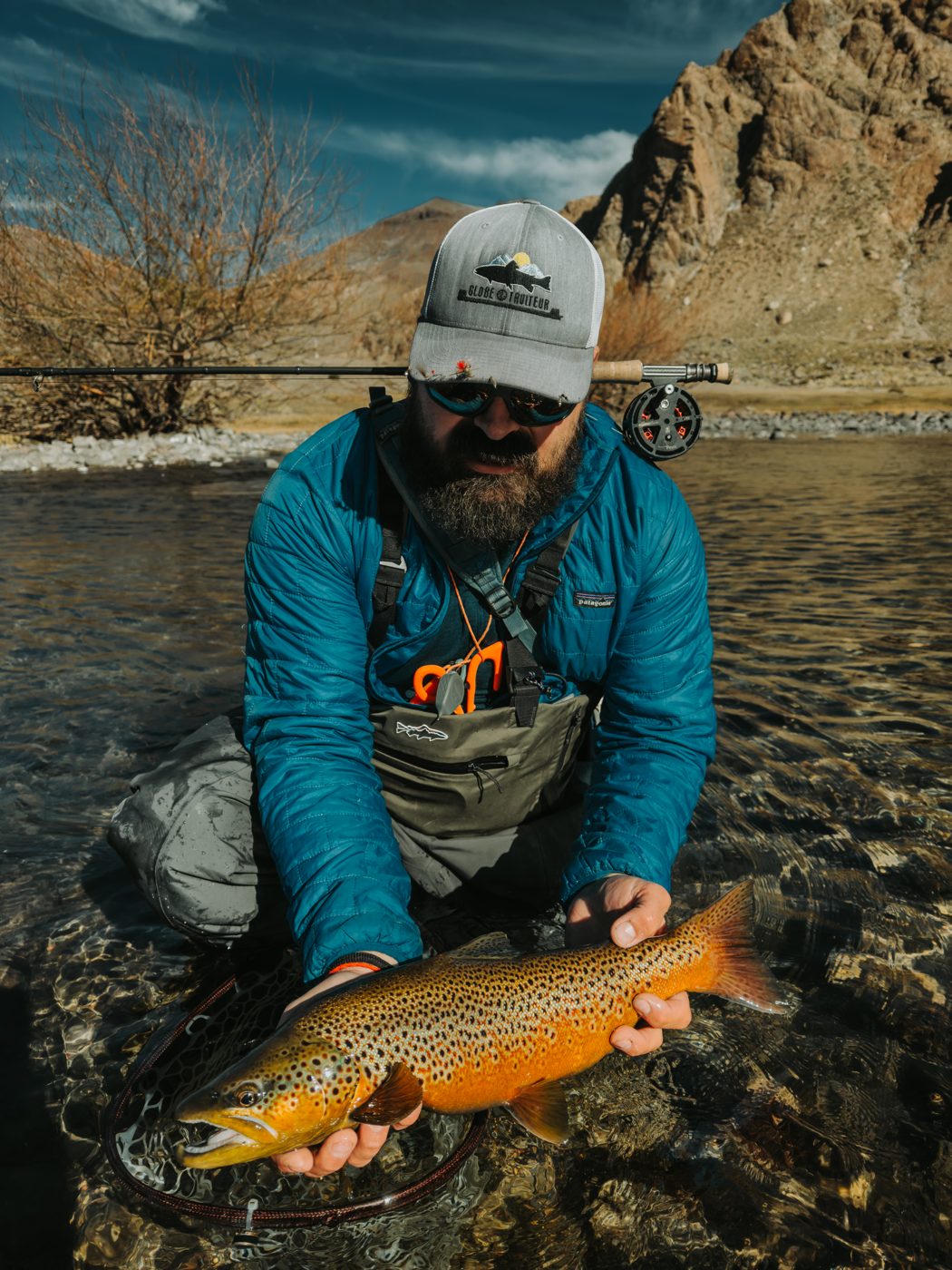
Baptiste Conquet
State-certified fly fishing guide and instructor. I guide in Aveyron and Lozère, and design fishing trips to Argentine Patagonia, Jurassic Lake and the golden dorado waters.
Plan a trip with me →